

Richard Winneker gathers input from patients and researchers to shape MPN research, aiming to fund strategic projects for this population.
Richard Winneker gathers input from patients and researchers to shape MPN research, aiming to fund strategic projects for this population.
Dr. Curtiland Deville Jr. discusses the importance of crafting an individualized treatment plan for patients with prostate cancer.
CURE spoke with John Crispino, the director of the division of experimental hematology at St. Jude Children’s Research Hospital.
Dr. Douglas Reznick shares advice for patients with lung or head and neck cancer who may feel overwhelmed by their diagnosis.

A push for answers led to a rare blood disorder diagnosis after Joy’s symptoms were initially dismissed.


An expert sat down to discuss the emotional and physical barriers patients may face when seeking support for fear of cancer progression.

Carly Stafford Dixon, a rare cancer survivor, highlights the need for AYA cancer awareness to improve support, visibility and access to vital resources.

Bavencio improved survival in patients with bladder cancer, irrespective of diabetes status, according to an analysis of the JAVELIN Bladder 100 trial.
Dr. Zafar Sayed discuss the importance of recognizing Head and Neck Cancer Awareness Month and highlights early symptoms of the disease to be aware of.
Dr. Petros Grivas discusses the importance of tailoring treatment decisions in bladder cancer based on data from three practice-changing phase 3 trials.
Patients with gastrointestinal cancer may benefit from multidisciplinary care and open communication with their care team, as per an expert.

Dr. Elizabeth K. Lee discusses the RAINFOL-01 clinical trial evaluating treatment with Rina-S in advanced ovarian cancer.

Melanoma is a key cancer type for developing and testing immunotherapies prior to broader clinical application across other malignancies.
Advancements in radiation therapy, including proton therapy and stereotactic radiation, reduce side effects and improve quality of life for GI cancer.

Based on the phase 3 CABINET trial, the FDA approved Cabometyx for some patients with previously treated neuroendocrine tumors.

Some cancer statistics may reflect 'backwards-looking data', making it important to stay up to date on reliable information and happenings in the space.
CURE spoke with Dr. Michael K. Wong and Dr. Diwakar Davar about the use of ctDNA for patients with melanoma, and where the field may be headed.

Dr. Sheri Yolanda Prentiss discusses the importance of seeking early intervention to detect lymphedema following cancer care.

Because the five-year relative survival rate for people with esophageal cancer is approximately 22%, this makes early detection of the essence.

It is important to recognize Kidney Cancer Awareness Month as a time to get involved, as more than 600,000 people in the U.S. live with kidney cancer.
Shorter radiation courses may improve breast reconstruction outcomes without increasing complications, according to Dr. Reshma Jagsi.
Biomarkers can shape a breast cancer treatment plan, Andy Guinigundo explained in an interview with CURE.

Colorectal cancer is on the rise among younger adults, although potential explanations for the cause of this trend are likely years away.

Dr. Valerie Lee discussed emerging targeted therapies and personalized medicine approaches that are showing promise for those with gastrointestinal cancer.

Machine learning model improves transplant risk assessment for patients with myelofibrosis, helping clinicians make informed decisions, as per an expert.

Although late-stage kidney cancer generated poor survival rates for over two decades, significant progress is being made in the treatment of the disease.

April is Head and Neck Cancer Awareness Month, and it is important to be aware of early signs and symptoms of the disease, as well as when to seek care.
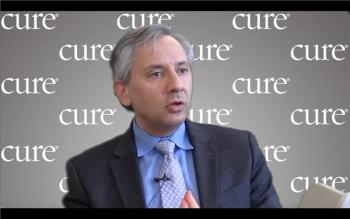
There are a number of reasons why patients with cancer are encouraged to enroll in clinical trials, Dr. Michael J. Pishvaian explained.

Use of NeuroSAFE to guide nerve sparing during robot-assisted radical prostatectomy improved patient-reported erectile function.