








On the harder days with my husband’s cancer, we would try to remember happy memories to help improve our moods.
On the harder days with my husband’s cancer, we would try to remember happy memories to help improve our moods.
Sarclisa, Velcade, Revlimid and dexamethasone improved progression-free survival in patients with multiple myeloma who were not eligible for transplant.

Patients with resectable stage 3 melanoma should talk about pretreatment therapy with their cancer care teams, an expert said.

Padcev and Keytruda improve survival and progression among patients with bladder cancer, but don’t adversely impact pain, functioning or quality of life.

It’s important for cancer survivors to follow-up with things that worry them. For me, my lymphedema sparked some fear.
From the NBA’s Alonzo Mourning opening up about his prostate surgery to an actor from “Felicity” dying of cancer, here’s what is happening in the oncology space this week.

The Food and Drug Administration has approved Rytelo to treat certain patients with low- to intermediate-1 risk MDS with transfusion-dependent anemia.

Trodelvy led to better disease control and improved quality of life compared to chemotherapy in patients with triple-negative breast cancer.

Keytruda plus platinum-based chemotherapy appeared to be safe and effective in treating penile squamous cell carcinoma.

When I came across an article with advice written by an oncologist for patients, I thought about his advice carefully.
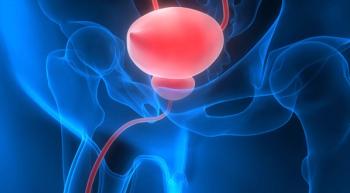
For patients with cisplatin-ineligible bladder cancer, presurgical Padcev decreased the cancer stage without leading to delays in surgery.

Even though I will never be cancer-free from cholangiocarcinoma, I’m ready to face the next chapter in my life and make the most of it.
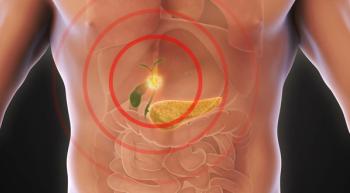
While the FDA approval of Truseltiq for FGFR2-positive cholangiocarcinoma was withdrawn, there are still other viable treatment options, an expert said.

Having a support system of loved ones truly helps during cancer.

After a cancer diagnosis, toxic positivity can be unhelpful, though forced joy may bring light to a difficult situation, a survivor and advocate said.

Learning that I had cancer — melanoma and renal cell carcinoma — made me feel like I lost something, but I keep looking ahead.

Some patients with stage 3 non-small cell lung cancer saw benefits from Opdivo plus chemotherapy followed by surgery then Opdivo, researchers found.

Two years of postsurgical androgen deprivation therapy resulted in a 10-year metastasis-free survival rate of nearly 80%.

I believe I have hereditary cancer, especially after my daughter was approved to receive genetic testing for breast cancer.
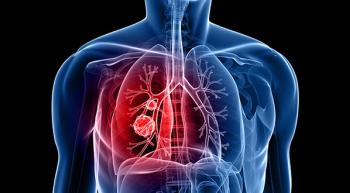
Dato-DXd was efficacious in patients with non-small cell lung cancer with brain metastases who have certain gene alterations, a phase 2 study showed.
PolyPEPI1018 may boost the efficacy of Tecentriq in certain patients with colorectal cancer.
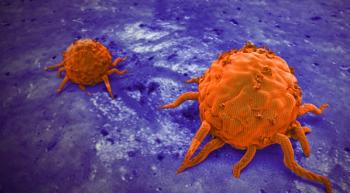
Belamaf plus bortezomib and dexamethasone lengthened the time patients with relapsed or refractory myeloma lived before their disease got worse.

Zanidatamab continued to lead to responses and improved overall survival in pretreated HER2-positive biliary tract cancer.
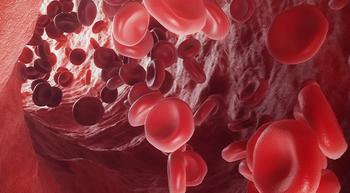
Patients with myelodysplastic syndromes tended to have longer periods of time without needing a red blood cell transfusion when treated with Reblozyl.

After a good friend told me about her recent diagnosis of breast cancer, I started experiencing a type of breast cancer déjà vu.
SurVaxM, which is being studied in gliobastoma, targets a certain protein that is found on the brain cancer cells.

The safety profile of 200 milligrams and 300 milligrams of oral Ongureg were similar in patients with lower- to intermediate-risk MDS.

Enhertu lengthened the time to progression in patients with HR-positive, HER2-low or -ultralow metastatic breast cancer.

Presurgical paclitaxel, Herceptin and Perjeta showed “incredible efficacy” in treatment of HER2-positive breast cancer.

Perioperative chemotherapy with chemotherapy led to improved survival outcomes versus neoadjuvant chemoradiation in resectable esophageal cancer.