







All News
All series
All All News
Advertisement

Datopotamab deruxtecan elicited encouraging responses in patients with heavily pretreated non–small cell lung cancer harboring actionable genomic alterations.

The Welireg-Cabometyx treatment combination demonstrated anti-tumor activity for some patients with clear cell renal carcinoma, according to a phase 2 trial.

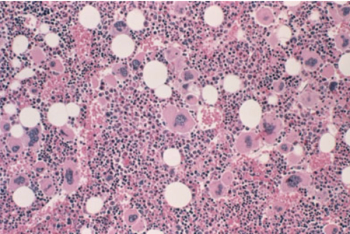
Findings of MANIFEST-2 show “valuable evidence that the addition of pelabresib offers meaningful improvements over JAK inhibitor monotherapy as a first-line approach for patients with myelofibrosis,” according to one expert.

Being thankful for cancer seems like an odd concept to grasp.

Patients undergoing allogeneic stem cell transplants could benefit from human milk-based therapy, as it may offer a healthier gut microbiome, according to research.

Receiving palliative care is important for adolescent and young adult patients, as they experience a time of identity development, an expert told CURE®.

Survivors of blood and bone marrow transplants attend fewer annual check-ups, but researchers urge annual visits for life to prevent complications.
Advertisement

Cancer caregivers go through trauma that is often unseen and unrecognized, though some organizations are trying to change that.

My experience with a cancer biopsy.

The Keytruda-Lenvima combination had promising anti-tumor activity for patients with pleural mesothelioma following disease progression after chemotherapy.

IRON, an artificial intelligence model, has an 80% accuracy rate of predicting therapy outcomes of patients with ovarian cancer.

Please don’t tell me I have the “good” kind of cancer or comment on how much weight I’ve lost.

A recent study evaluated the low rate and racial disparities in utilization of palliative care.

The FDA recently approved Tibsovo for relapsed/refractory MDS with an IDH1 mutation, a treatment option for a disease subset with no options before this approval.

The holidays are rolling in, which often means reconnecting with friends and family— some of which you haven’t seen in a while.
The recent approval of Fruzaqla (fruquintinib) for patients with pretreated metastatic colorectal cancer (mCRC) offers improved survival with manageable quality of life.
Last week brought three more FDA approvals in the oncology space, as well as some research in neuropathy prevention and the diabetes-cancer connection.
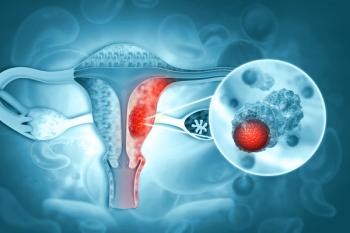
A phase 3 trial demonstrated progression-free survival improvements with Tecentriq-chemotherapy combination in patients with endometrial carcinoma.

While many parts of my cancer experience were extremely difficult, I tried to embrace it — and accept help when needed.

Immune checkpoint inhibitors and stereotactic radiosurgery do not increase the risk of necrosis among patients with NSCLC who have brain metastases, according to research.

If I could go back and talk to my newly diagnosed self, this is what I would say.

Losing someone to cancer never gets easier.

Two research projects have been established to investigate the use of psychical activity to benefit patients with cancer.

New research revealed that genetic information near healthy tissue surrounding lung tumors may have a better change of determining recurrence in patients with lung cancer.

I found family in my cancer support groups.

From Dick Vitale to Make-A-Wish’s Miles Scott reveal that they are cancer free, here is what’s happening in the oncology space this week.

The Food and Drug Administration approved Xtandi for non-metastatic castration-sensitive prostate cancer at high risk for biochemical recurrence.
Advertisement
Advertisement
Trending on CURE
1
FDA Updates Safety Warnings for Common Chemotherapy Drugs
2
Real-World Data with Amtagvi Show High Response Rates in Advanced Melanoma
3
Chemo Brain is Real: My Experience with a Clinical Study and What It Can Teach Us
4
FDA Removes Use Limitation for Yescarta in Primary CNS Lymphoma
5