








A woman with metastatic breast cancer reflects on her pre-cancer life 20 years ago and how her perspective on the disease has shifted as she’s reached a level of acceptance and hope for the future.
A woman with metastatic breast cancer reflects on her pre-cancer life 20 years ago and how her perspective on the disease has shifted as she’s reached a level of acceptance and hope for the future.

The Cancer Support Community’s Cancer Experience Registry amplifies the voices of patients, survivors and caregivers by finding and addressing critical gaps in cancer care.
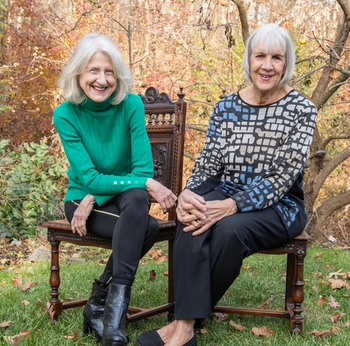
A colleague describes how a woman who was diagnosed with breast cancer that later metastasized felt a lack of support and research, leading her to launch support programs for other patients and step into the advocacy field.

One expert noted that patients with prostate cancer can take a few months to make an informed treatment decision without impacting their long-term outcomes.

Patients with stage 3 colon cancer should feel empowered to start a healthy lifestyle and diet, says a researcher, after recent study results demonstrated positive survival and recurrence outcomes.

A breast cancer survivor describes how preparing an outfit for her son’s upcoming wedding and seeing social media photos of other women sparked body envy within her for those who have not been affected by breast cancer surgeries.

A teenager from Pennsylvania whose father died from colorectal cancer explains the impact it had on her life and how she has stepped into the field of advocacy to help others.

For patients with myelofibrosis, previously treated with Jakafi, momelotinib could be a major drug approval coming up, according to an expert.

A cancer survivor explains how he has learned to build resilience against the stress and terror around getting routine cancer scans done so that he can live his life more freely.

A colleague writes about a medical oncologist who has a rare metastatic breast cancer diagnosis but still manages to go above and beyond for her patients while dealing with her own cancer treatments, and how her empathy guides her.

A colon cancer survivor expresses her frustration about the way the health care system is currently being managed as yet another wave of COVID-19 cases caused her to cancel an appointment she’d waited three months for.

A mother writes about her daughter — a nurse with metastatic breast cancer who passionately cares for patients even while undergoing chemotherapy — and how more treatment options are desperately needed.

Patients who limit alcohol intake during their cancer treatment may experience several health benefits, according to physicians from Tampa Bay Radiation Oncology.

Side effects from cancer treatment with immunotherapy, which may include vitiligo and certain rashes, may point to who will respond better to the treatment, although more research is needed to determine how much weight to put on these data.

A man with breast cancer explains how contracting COVID-19 led him to discovering the benefits of slowing down.

From the lung cancer death of “Seinfeld” actress Kathryn Kates to a patient with cancer who broke a rowing world record, here’s what’s happening in the cancer landscape this week.

All clinical trials investigating the combination of magrolimab and the chemotherapy Onureg have been paused due to unforeseen serious side effects experienced by patients with various blood cancers receiving the treatment.

An expert from Memorial Sloan Kettering Cancer Center in New York discusses the promising findings from a study that analyzed tremelimumab plus Imfinzi for unresectable hepatocellular carcinoma, and outlines side effects patients should discuss with their doctor.

Opdivo plus Cabometyx prolonged survival with minimal effects to their health status, which may highlight the need for patients to advocate for their quality of life when making treatment decisions.

A breast cancer survivor discusses how researching cancer risks and environmental factors made her feel better equipped with information against the disease.
In this episode of the “Cancer Horizons” podcast, a woman living with colorectal cancer who was diagnosed 14 years ago at age 29 discusses what it was like to be the youngest person in the treatment room, and how she found another community of young survivors.

A clinical trial to evaluate Descartes-25, a novel allogeneic RNA cell therapy, for multiple myeloma has officially treated its first patient and is now recruiting in certain locations.

Single-agent adagrasib was associated with encouraging treatment responses in patients with previously treated non-colorectal gastrointestinal tumors and pancreatic ductal adenocarcinoma.

Patients with biliary tract cancer achieved a better survival outcome after receiving treatment with an oral antimetabolite following surgical resection than patients who only were treated with surgery.

A patient with ovarian cancer describes how she enrolled in a clinical trial, and how it has given her a renewed sense of hope that she may find a successful treatment option.

From mental impacts such as “scanxiety” and post-traumatic stress disorder to difficulties returning to work/dating and long-term physical side effects like memory issues, several cancer survivors shared the hardest part about survivorship.

Kimmtrak is the first-ever drug to be granted FDA approval for this patient population of HLA-A*02:01-positive metastatic or unresectable uveal melanoma.

Patients with metastatic cutaneous squamous cell carcinoma achieved promising response rates after treatment with cosibelimab. If approved, drug developers are hoping to offer cosibelimab as a more affordable immunotherapy option for this patient population.

The COVID-19 pandemic drastically impacted many facets of cancer care. Although some changes were detrimental, an expert from Johns Hopkins Medicine notes others actually improved accessibility to care.

A mother of a breast cancer survivor explains how she and her daughter creatively incorporated exercise into her daughter’s daily routine to improve her physical and mental health during treatment.