










Treatment with tisotumab vedotin, a novel antibody-drug conjugate, in women with recurrent or metastatic cervical cancer, led to an objective response rate of 24% with a manageable safety profile.
Treatment with tisotumab vedotin, a novel antibody-drug conjugate, in women with recurrent or metastatic cervical cancer, led to an objective response rate of 24% with a manageable safety profile.
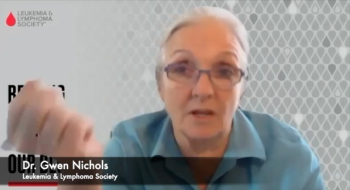
Patients with blood cancers are at a much higher risk of complications if they contract COVID-19, says an expert from the Leukemia & Lymphoma Society (LLS).

Second opinions may enhance your treatment plan or even change your course.

A cancer survivor describes her interpretation of a quote about loss by philosopher Marcus Aurelius.

Recent study results have demonstrated that regular use of baby aspirin prior to colorectal cancer diagnosis was associated with better survival outcomes.

Most patients with newly diagnosed multiple myeloma treated with a combination of Kyprolis, Revlimid, dexamethasone and Darzalex achieved minimal residual disease negativity during a median follow-up of 11 months.

Treatment with Xpovio, Velcade and dexamethasone is effective, safe and tolerable for patients with multiple myeloma, specifically those who are at least 65 years and frail.

On social media, CURE® recently asked its readers to share how oncology nurses have helped them during their experience with cancer. Here’s what some of them said.

A colon cancer survivor recalls how she made peace with being infertile as a result of cancer treatments.

Because of their age, disease state and comorbid conditions, older patients need supportive care.

Many survivors who have sexual side effects after treatment feel too uncomfortable to share this information with their doctor, and some doctors may not know how to address it with their patients.

A cancer survivor shares advice on how people can support a friend with cancer.

As part of its “Speaking Out” video series, CURE® spoke with Katie Brown from LUNGevity about challenges that have arisen from the COVID-19 pandemic — including delays in screening — and resources to help patients through these trying times.

“It’s been almost seven years since I made the decision to stop taking aromatase inhibitors and I’m happy to report I’m feeling great,” writes a cancer survivor. “There are no more unwanted side effects. The decision to stop taking the medication was right for me.”

In partnership with CURE®, Bonnie J. Addario and the GO2 Foundation for Lung Cancer will release “The Living Room: A Lung Cancer Community of Courage,” a collection of stories from patients, caregivers and survivors taking a personal approach to cancer care.
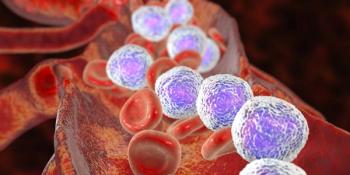

Imbruvica combined with ublituximab improved overall response rate and progression-free survival for relapsed/refractory high-risk chronic lymphocytic leukemia with minimal residual disease negativity.

The annual Extraordinary Healer event celebrates oncology nurses nominated for their compassion, expertise and helpfulness.

The FDA has approved Zynlonta (loncastuximab tesirine-lpyl) for the treatment of relapsed/refractory diffuse large B-cell lymphoma (DLBCL).

The Cancer Support Community's Biomarker Testing Tool can help identify which targeted therapy should be used for treatment in patients with lung cancer.


A patient discusses her experiences with long-term side effects from cancer treatment and details her frustration with the lack of focus on chemotherapy-induced peripheral neuropathy in patients with advanced cancer.

From a college student who survived lymphoma biking 4,000 miles for charity to the death of “Harry Potter” actress Helen McCrory, here’s what’s happening in the cancer landscape this week.

In patients with resected high-risk stage 3 cutaneous melanoma, distant metastasis-free survival at 3.5 years was 65.3% in patients treated with Keytruda compared with 49.4% in those treated with placebo, which was also consistent in patients with PD-L1-positive tumors.
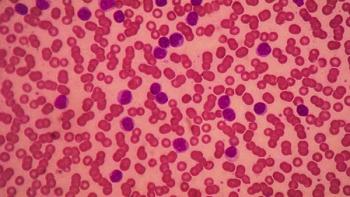
Final analysis of a phase 3 study demonstrates a tolerable toxicity profile for Gazvya in combination with chemotherapy for patients with ether first-line or relapsed/refractory chronic lymphocytic leukemia.

Recent data found an association between higher BMI and better overall survival among patients with metastatic renal cell carcinoma who were treated with immune checkpoint inhibitors.
Jemperli (dostarlimab) received accelerated approval from the Food and Drug Administration for the treatment of patients with recurrent or advanced endometrial cancer whose disease has progressed on, or following, prior treatment with a platinum-containing chemotherapy and whose cancers have a specific genetic biomarker known as deficient mismatch repair.

Finding the balance between offering support and guidance while at the same time not overwhelming people going through health scares isn’t easy, writes a cancer survivor. He notes that although it may take some practice to get right, it is an important skill for cancer thrivers to get down.

In this episode of the “CURE® Talks Cancer” podcast, Henry Scowcroft discusses his experiences writing a book about his late wife’s cancer journey and offers advice for other caregivers.

Keytruda demonstrated clinical benefit for patients with recurrent and metastatic disease, according to an expert.