



ctDNA liquid biopsies detect breast cancer at molecular levels to guide personalized therapy and monitor for recurrence or progression.
ctDNA liquid biopsies detect breast cancer at molecular levels to guide personalized therapy and monitor for recurrence or progression.
Dr. Susan MacDonald breaks down the TNM staging system (Tumor, Nodes, Metastasis) to help patients understand their clinical diagnosis.
A USC study finds immunotherapy increases PAD risk by 60%. Experts advise vascular monitoring to help prevent limb loss in cancer survivors.
Experts urge caution with ctDNA testing in early-stage breast cancer, citing "molecular anxiety" and a lack of clear clinical data on survival outcomes.
Oncology dietitians shared smoothie and turmeric latte recipes to help patients with breast cancer manage nutrition during treatment.
MD Anderson’s trial uses psilocybin and psychotherapy to treat cancer-related anxiety, helping patients thrive through neuroplasticity.
Learn about the FDA approval of Veppanu, the first PROTAC for ER+/HER2- metastatic breast cancer with ESR1 mutations.

A cancer survivor reflects on the profound power of physician communication, highlighting how words can either validate hope or deepen patient pain.

Learn about superficial spreading melanoma, from the ABCDE diagnostic rules to the latest in immunotherapy, targeted care and surgical options.

A breast cancer survivor shares how faith and community prayer provided unexplainable peace and a new mission to offer hope to others in need.
Dr. Paul Oberstein discusses how personalized mRNA vaccines may improve long-term survival for patients with pancreatic cancer.

Explore the complexities of Mother’s Day and clinical trials. Learn how research offers hope and different outcomes for patients facing ovarian cancer.
After a devastating pancreatic cancer diagnosis, Sharon chose a personalized treatment path that helped inspire future research.

The FDA approved Bizengri for NRG1+ cholangiocarcinoma, offering a new option for patients with this rare, advanced bile duct cancer.
Following the FDA approval of Veppanu for ESR1-mutant breast cancer, Dr. Komal Jhaveri explains this new therapy that destroys cancer receptors.

Explore the healing power of nature for cancer recovery. Learn how 20 minutes outdoors can boost immunity, reduce stress, and improve mental health.

A SEER-Medicare study found nearly half of older patients with metastatic non–small cell lung cancer never received systemic therapy.
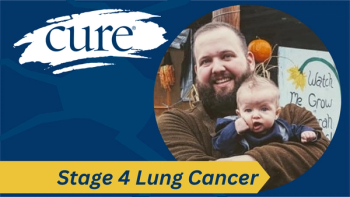
Logan Terry, who has stage 4 ALK-positive lung cancer, encouraged patients with cancer to keep living fully after diagnosis and not be defined by fear or bitterness.

A mother reflects on the "tethered heart" of caregiving, sharing her journey through her son’s rare cancer and offering solidarity to all mothers.
Diakonos Oncology receives FDA Fast Track status for DOC1021, a dendritic cell immunotherapy for patients with advanced or metastatic skin cancer.

Dr. Samyukta Mullangi shares how AI can help patients understand oncology visits, ask better questions, and feel more engaged in their care.
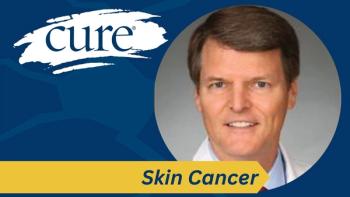
CURE spoke with Dr. Michael E. Kasper, medical director of radiation oncology at the Eugene M. and Christine E. Lynn Cancer Institute at Boca Raton Regional Hospital.
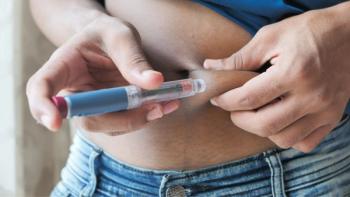
GLP-1 medications offer cancer survivors a tool to manage treatment-related weight gain through coordinated care.
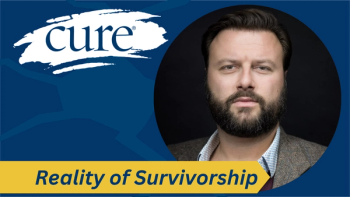
Edward Miskie shares how survivorship can feel isolating, inspiring the Remission Film Festival to spotlight the emotional realities after treatment.
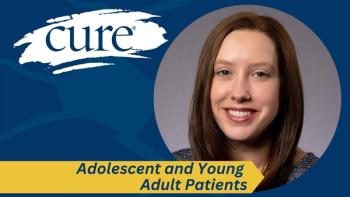
Rutgers researchers find tactical problem-solving significantly lowers anxiety and empowers young adult cancer patients to manage developmental stressors.

Explore the "Previvorship in the Platform Society" report on how social media impacts hereditary cancer communities and the need for better representation.

Phase 3 VIKTORIA-1 trial shows gedatolisib triplet therapy significantly extends progression-free survival for HR+/HER2- advanced breast cancer.
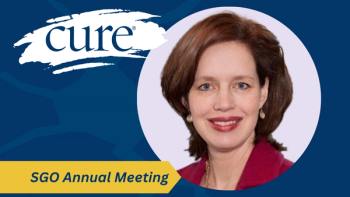
Dr. Ginger J. Gardner highlights the vital role of caregivers in cancer care, emphasizing support gaps, shared experiences and patient-centered solutions.
A caregiver explores the grief, guilt and medical mysteries following a sister’s Hodgkin lymphoma diagnosis and the search for peace in the unknown.
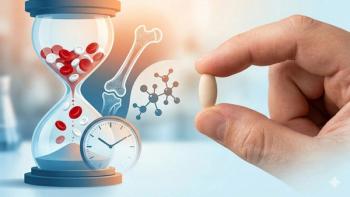
The FDA approved a once-daily extended-release tablet, Jakafi XR, for patients with myelofibrosis, polycythemia vera and GVHD.