



A Venclexta combination was granted an accelerated approval to treat older patients with acute myeloid leukemia who are ineligible for chemotherapy.
A Venclexta combination was granted an accelerated approval to treat older patients with acute myeloid leukemia who are ineligible for chemotherapy.

The Food and Drug Administration (FDA) granted a priority review to quizartinib for the treatment of patients with relapsed or refractory FLT3-ITD acute myeloid leukemia (AML).

An aspirin a day may help keep colorectal cancer at bay, according to recent research.

A Danish study demonstrated smokers were 2.5 times more likely to develop a myeloproliferative neoplasm compared with their non-smoking counterparts.

The cognitive dysfunction that patients with glioblastoma often face can compound these challenges and ultimately put extra stress on caregivers.
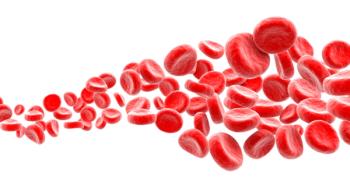
While CAR-T cell therapy has potential in treating CLL, T-cell fatigue and toxicity still raise many concerns.

Two treatments that may help patients with a potentially deadly blood cancer live longer and prevent the incidence of thrombosis (blood clots) are being underused.

It is not the type of fatigue where a good night’s sleep will “cure” us. It just seems to go on and on.

CLL is the most common type of leukemia in adults across the United State. Here's what you need to know about the disease.

The phase 3 TIVO-3 trial – designed to evaluate the efficacy of Fotivda in patients with renal cell carcinoma – met its primary endpoint of improved progression-free survival.
Genetic testing in children is a highly complex topic, and it is something which I frequently think about because of my son.

Researchers have found a potentially safer and faster way to determine if treatment for a type of childhood brain cancer is working.
Health care shouldn't be a fight, but it is. I tell my story of fighting for an MRI in a hope that I illuminate the cracks in our system in a hope we can make change, so no one falls through those cracks.

What’s the best plan for lowering cancer drug prices? A panel of experts debated the possibilities.
Whether you call it No Shave November, Movember or Novembeard, it's important to remember it's all about men's health.
Breast cancer threatens to silence the voices of those touched by it but if we choose to speak out, we will be heard.
The Food and Drug Administration (FDA) expedited the approval of Adcetris (brentuximab vedotin) in combination with chemotherapy for certain patients with peripheral T-cell lymphoma (PTCL).
We all have our cracks, and cancer provides a huge one. Perhaps for the first time ever, we present (and look) weak, vulnerable, sick and needing to ask others for help.

Young patients diagnosed with posterior uveal melanoma may have similar, if not worse, prognoses compared with the overall patient population.

Patients with BRAF wild-type advanced melanoma saw a survival benefit after treatment with Opdivo (nivolumab) compared with the chemotherapy agent dacarbazine.

The Food and Drug Administration (FDA) granted a breakthrough therapy designation to Adcetris (brentuximab vedotin) for the frontline treatment of certain lymphoma subtypes, according to Seattle Genetics, the manufacturer of the antibody-drug conjugate.
Scientists, physicians and patients collaborate to improve treatment for rare cancer.

The combination use of two immunotherapy agents in the first-line setting helped patients with advanced melanoma live longer compared with treatment with either drug alone.
What can science tell us about life, death and disease?

We've got a sneak peek at what’s inside our Fall 2018 issue.
Cancer is costly. What if I did not have health insurance or a steady paycheck? Would I have fallen through the cracks and died of metastatic breast cancer before anybody told me I was sick? An exercise in role-playing taught me that there is help available.

Checkpoint inhibitors are moving into the treatment realm of renal cell carcinoma; however, questions still remain.
Being a patient advocate comes in many forms, and not all of them require you to get out of bed to storm the halls of Washington.
We all survived another October and the tidal wave of pink that represents breast cancer.

Preventing febrile neutropenia is crucial because the body’s white blood cells help to fight infection.