


All News


All series


All All News

Our cultural tendency to try to draw bright lines when it comes to the cost of health care relies on hindsight to criticize doctors for their lack of foresight. But it is only hindsight, as we all know, that is 20/20.

My last point of training was going to the San Antonio Breast Cancer Symposium (SABCS), which takes place the first week of December. It’s the biggest breast cancer symposium in the country and a chance for doctors, researchers and advocates to get together to hear the latest updates in research and clinical trials.

Of every complication caused from cancer and its treatments, nausea has been the worst for my sister. It has caused pain, discomfort and was the number one reason she returned to the emergency room. No matter what medications were dosed, whether it was orally or by IV, or how much they gave to her, so often, nothing ever seemed to work.

Join us today, Dec. 19, for our year-end #CureConnect tweet chat, where we will be diving into what our readers saw as the most important updates of the year. Maybe people were intrigued by the correlation between viruses and cancer, or maybe improving cancer survivorship was key this year.

Many patients with cancer choose to use homeopathic therapies either in addition to, or in lieu of traditional treatments. However, since these agents don’t go through the same FDA approval process as typical drugs, patients may be subject to harmful effects.

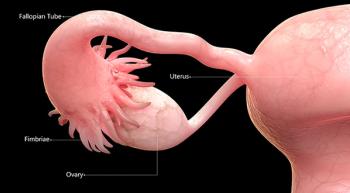
Women with presumed uterine growths known as fibroids who underwent laparoscopic power morcellation (LPM) have higher rates of uterine cancer recurrence and worse outcomes compared to those who got manual or no morcellation, according to a recent release published by the Food and Drug Administration.