









The emergency box helps nurses prepare to treat patients with any reaction that may arise.
The emergency box helps nurses prepare to treat patients with any reaction that may arise.

The new GOP health care bill is causing concern for those suffering pre-existing medical conditions. How will it affect those with cancer?
As a first-time attendee, I share a glimpse of day one from ONS.

Actor Patrick Dempsey presents the winner with her award and speaks to an audience of 1,000 during the event that also honors two finalists

A team of nurses is working to improve patient needs as they prepare to leave the hospital.

There are 16 known genes that cause kidney cancer and at least 13 different types of inherited kidney cancer, emphasizing the need to understand genetic differences between these disease.
I'm hopeful and scared. Why it's OK to feel both at once when you're living with cancer.
How I saved big on costly prescription medications for cancer treatment.


The time sitting in the infusion chair before receiving chemotherapy can be a challenge, but a team of nurses are working to improve the patient experience.

The American Health Care Act has been passed by a vote of 217 to 213.

Previously reported declines in prostate-specific antigen testing have not continued in recent years, and that approximately one-third of men age 50 years or older still receive routine PSA tests.

Although rates of the rare, but deadly disease have been declining in men since 1973, that is not the case for women.
Be sure to stop and notice the “beauty” during and after cancer.

Minimally invasive approaches are being explored to lower associated adverse events and, overall, improve patient outcomes for patients with head and neck cancer.

Black and Latina women with ovarian cancer were less likely than white women to enroll in hospice care within the last 30 days.
Cryoablation is a fairly new treatment being used to treat small cancer tumors. Could we soon see it offered as an alternative to traditional breast cancer surgeries?

A recent study found that, due to higher incidence of prostate cancer in black man, PSA testing may need to be started earlier in this population, and be done more frequently.

A recent study found promise in a new drug that treats cachexia, a progressive wasting syndrome. The trial is currently in canine patients, with hopes to move to human patients in the future.
A mantle cell lymphoma survivor discusses being a transplant patient.
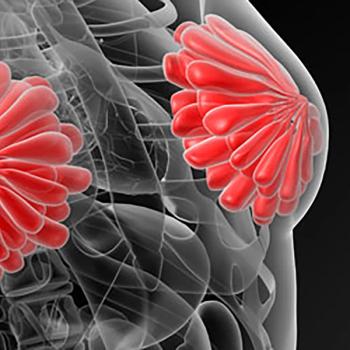
Per the American Cancer Society, removing both breasts before cancer is diagnosed can reduce the risk of breast cancer by up to 97 percent. However, a new study finds that this may be an unnecessary surgery in patients with DCIS.

The Food and Drug Administration has granted accelerated approval for durvalumab for treatment of patients with bladder cancer.

Non-invasive imaging devices can help dermatologists examine the skin and a lesion without a biopsy, which requires cutting of the skin.

Since being diagnosed with desmoplastic melanoma in 2016, Holly Rowe has teamed up with the Melanoma Research Foundation to spread awareness of skin cancer.
As we approach summer, a melanoma survivor recovers from her fresh wounds and shares her thoughts.
The Food and Drug Administration has granted accelerated approval to Alunbrig (brigatinib) for metastatic ALK-positive non-small cell lung cancer (NSCLC).

The Food and Drug Administration has approved Rydapt (midostaurin) for acute myeloid leukemia (AML).

Leonard Gomella, M.D., recommends that healthcare providers familiarize themselves with how each novel biomarker should be used and then decide which one to use for a more individualized approach in clinical practice.
It’s the empty place that lies between diagnosis and treatment, but it’s full of life.
The Food and Drug Administration (FDA) has approved Stivarga as a second-line treatment for patients with unresectable hepatocellular carcinoma (HCC) who have previously received Nexavar.