







Dr. Katherine Crew discusses how new HER2-directed therapies are improving survival in metastatic breast cancer.
Dr. Katherine Crew discusses how new HER2-directed therapies are improving survival in metastatic breast cancer.

Patients with stage 3 colorectal cancer who tested MRD-positive with Signatera after surgery saw a meaningful survival benefit from Celebrex plus chemotherapy.

An expert discusses IL-18-armored CAR T cells for adults with relapsed B-cell leukemia, showing complete remissions with manageable side effects.
CURE spoke with a clinical psychologist about the stigmas often faced by patients with lung cancer.
Elena Jeannotte discusses building a community of support for children with cancer and their families, especially during the holiday season.

The treatment of advanced HR+ breast cancer care is evolving, with targeted therapies and clinical trial progress offering a better quality of life.

If you are reading this, you, your family or loved one have most likely been affected by cancer.

Since I was diagnosed with a brain tumor in 1998, I have endured highs and lows, including fearful dives, not knowing if I could live. I learned despair is a great teacher.

Dispelling myths and misconceptions and shedding light on disparities in hospice care.

Treatment with the combination of NGC-Cap may increase the cancer-killing power of treatment without adding significant safety concerns.
Dan describes how early self-advocacy, second opinions and trial research helped him pursue experimental treatments that led to remission from stage 4 pancreatic cancer.

The FDA has granted approval to Rybrevant Faspro, the first and only subcutaneous therapy for EGFR-mutated non-small cell lung cancer.
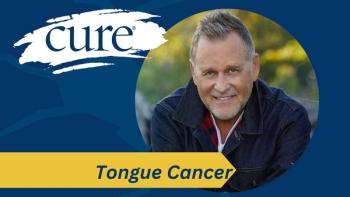
Actor Dave Coulier, best known for his role in the sitcom “Full House,” recently sat down with CURE to discuss facing cancer for the second time.

The FDA granted regular approval to treatment with Rubraca for some adult patients with previously-treated metastatic castration-resistant prostate cancer.

At CURE, we strive to provide insight, education and inspiration for patients, survivors and caregivers at every stage of the cancer journey.

CURE contributor Brian Sluga discusses his new memoir, “The Shriek I Do Remember.”

Padcev plus Keytruda demonstrated clinically meaningful and statistically significant improvements in event-free survival and overall survival for MIBC.

The FDA granted orphan drug designation to GSK’227, now known as risvutatug rezetecan, for the treatment of small-cell lung cancer.
Jace Yawnick, now in remission from non-Hodgkin lymphoma, is navigating the world of mental health one day at a time.

At the 2025 ASH Annual Meeting and Exposition, researchers presented new findings that may meaningfully affect how patients with blood cancers are treated.
Gastric cancer care highlights eating difficulties, weight loss and side effects showing why nutrition support and clinical trials are key
After beginning treatment for stage 3 inflammatory breast cancer, Lindsey Gunter started experiencing chemotherapy side effects so intense she was unable to walk.

Living with chronic cancer means navigating the holidays with extra caution — but also with deeper gratitude for every moment I’m able to show up.
A potential new approach to treating advanced pancreatic cancer has shown benefit for patients, according to Dr. Eileen M. O'Reilly.

The FDA granted fast track status to muzastotug plus Keytruda for adults with microsatellite stable metastatic colorectal cancer without liver metastases.

Bleximenib and Venclexta treatment were well tolerated in a phase 1b trial for relapsed/refractory acute myeloid leukemia with mostly low-grade side effects.

It’s been two-and-a-half years since I “rang the bell” on the Oncology ward, signaling that I had ended my chemotherapy treatment.
Wendy and Larry Brooks share their journey with small cell lung cancer, emphasizing the importance of screening, as well as advocacy for patients and caregivers.

The FDA has approved Enhertu and Perjeta for the first-line treatment of unresectable or metastatic HER2-positive breast cancer.

I usually write about my daughter’s cancer, but my friend’s stage 4 breast cancer journey showed me the limits of strength and the need for help.