




Understanding your diagnosis, the tests ahead and the treatment landscape is the first step in regaining a sense of control.
Understanding your diagnosis, the tests ahead and the treatment landscape is the first step in regaining a sense of control.

Lung squamous cell carcinoma starts in airway lining cells; treatment depends on stage, from surgery to systemic therapies, with side effects to monitor.
2025 brought key advances in blood cancer treatment, research, and patient insights across multiple myeloma, lymphoma, leukemia and MDS.
ECOG performance status was found to capture only part of the patient experience in gastric/GEJ adenocarcinoma.
Dr. Elena Elimova discusses how Ziihera-based therapy may change treatment for HER2+ locally advanced or metastatic gastroesophageal adenocarcinoma.

These were the top gastrointestinal cancer stories published by CURE in 2025.

Chuck Stravin shares 10 practical, patient-centered tips for managing emotions, information, and routines in the first days after a cancer diagnosis.
The FDA granted orphan drug designation to CK0804, an investigational cell therapy being studied for patients with myelofibrosis.
Dr. William A. Hall discusses overtreatment in gastrointestinal cancer care and how AI-driven response assessment is shaping personalized treatment.
Dr. Erika Hamilton spoke with CURE’s editor-in-chief, Dr. Joshua K. Sabari.

From kidney to prostate cancer, these 2025 stories highlight research, new treatments and resources helping patients and caregivers stay informed and engaged.

When most people think about cancer, they think about survival. What they don’t often consider is what survival costs.
Dr. Erika Hamilton sat down for an interview with CURE’s editor-in-chief, Dr. Joshua K. Sabari.

FDA granted breakthrough therapy designation to zoldonrasib for previously treated KRAS G12D-mutated non-small cell lung cancer.
Dave Coulier sat down for an interview with CURE to discuss his recent tongue cancer diagnosis and his treatment journey.

Reach out to professionals, go to safe online sources, contact your local cancer support center. I hope these tools help you as they have helped me.
Dr. Vinayak Venkataraman sat down for an interview with CURE to discuss the evolving treatment of gastrointestinal stromal tumors.
From new imaging and targeted therapies to patient journeys, 2025 highlighted key advances and personal stories in lung cancer care and awareness.

I reflect on a year of healing, family, and meaningful rituals while setting intentions for 2026 with vision, consistency and awakening.
Adding Monjuvi and Revlimid to standard chemotherapy helped patients with newly diagnosed lymphoma live longer without disease worsening.
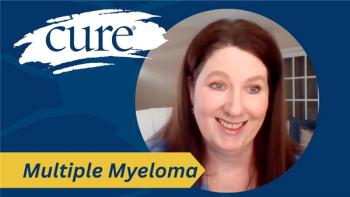
Colleen Mabasa, a patient with multiple myeloma, discusses her CAR T-cell therapy journey and the pivotal role self-advocacy played in her care.
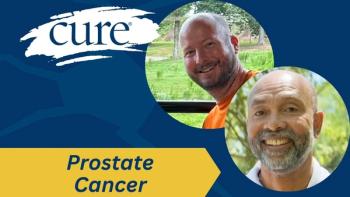
Prostate cancer survivors Ronald Wakefield and Ernie Strauss sat down for an interview with CURE.

From hair regrowth to safe pregnancy chemotherapy and new targeted therapies, these top five breast cancer stories of 2025 highlight patient care advances.
My dog Chloe had a lump that scared us, but it turned out to be a benign lipoma. Surgery went well, and she’s now fully healed and playful again.

I was 46 years old the summer I discovered I had cancer; my children were 11 and 8. I was determined to live because my kids still needed their mama.
Takeda and Protagonist Therapeutics have submitted a new drug application to the FDA for rusfertide for adults with polycythemia vera.
Dave Coulier, who has become a vocal advocate during his cancer journeys, has launched a digital wellness platform, AwearMarket.

Receiving a diagnosis of stage 4 renal cell carcinoma can be overwhelming, but the treatment landscape has changed in recent years. Learn more from CURE.

For people who are expected or required to be compassionate in their everyday life or work they should start by training in compassion.
Press Release
A Note from the Director of Patient Advocacy & Education