
CURE spoke with an expert to learn what patients need to know about immunotherapy-induced diabetes.
CURE spoke with an expert to learn what patients need to know about immunotherapy-induced diabetes.
Robotic and video-assisted thoracic surgery reduces recovery time for those with lung cancer, allowing some to leave the hospital the day after surgery.
Dr. Jacob Sands discusses the significance of the FDA approval of Datroway for the treatment of patients with locally advanced or metastatic EGFR+ NSCLC.
Dr. Janet Kukreja explains one urinary diversion option available to patients undergoing bladder removal.
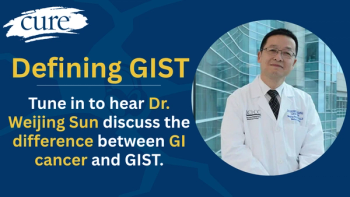
Unlike most GI cancers, GIST starts in supportive stromal tissue, not surface cells, and is classified as a sarcoma, says Dr. Weijing Sun.
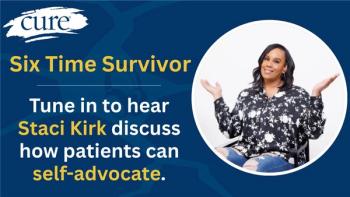
Six-time cancer survivor Staci Kirk urges patients to trust their bodies and speak up to ensure their needs are understood and addressed throughout cancer care.
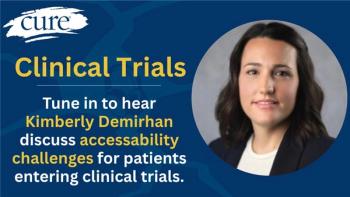
Clinical trials should be designed to ease travel and financial burdens by using local care, telehealth and remote tools, Kimberly Demirhan explained.
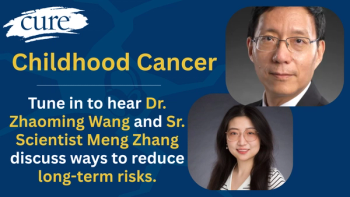
Certain treatments may accelerate aging in survivors, but tailored care and healthy habits can help reduce long-term risks, researchers said.
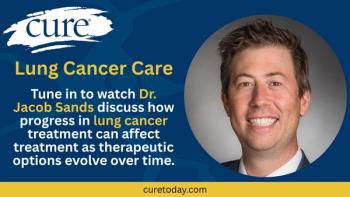
Dr. Jacob Sands discusses progress in lung cancer treatment, as well as what patients should understand about how their care options may evolve over time.

Panelists discuss how patient portal use improves communication by allowing patients to report side effects with photos for accurate evaluation, and how treatment effectiveness is monitored through carefully timed blood tests, imaging, and bone marrow biopsies—including minimal residual disease testing—to balance thorough assessment with minimizing patient discomfort.
Panelists discuss how patients newly diagnosed with multiple myeloma often face emotional and informational overload, but collaborative, personalized care—including early access to cutting-edge four-drug regimens, clear communication, and shared decision-making—can empower them, ease anxiety, and support long-term remission and quality of life.
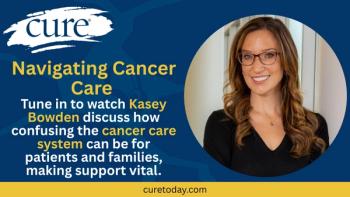
Kasey Bowden discussed how confusing the cancer care system can be for patients and families, therefore, having a reliable support structure is vital.
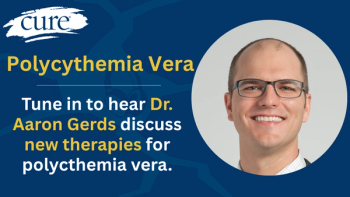
Emerging treatments like rusfertide may reduce phlebotomies and improve life for patients with polycythemia vera, according to Dr. Aaron Gerds.
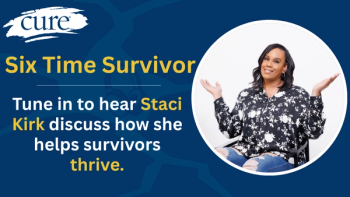
Six-time survivor Staci Kirk founded the Stiletto Boss Foundation to provide community, support and practical help for women of color beyond treatment.
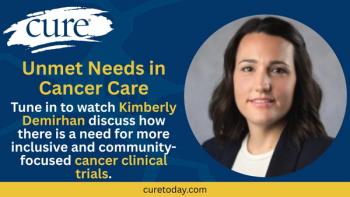
There is an urgent need for more inclusive and community-focused cancer clinical trials, according to Kimberly (Cary) Demirhan.
Barbera credits Dr. Donna Klobocista’s compassionate guidance before surgery for giving her confidence; now she mentors others facing ovarian cancer.
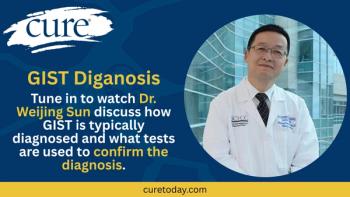
Dr. Weijing Sun discussed how GIST is typically diagnosed, as well as what tests are commonly used to confirm the diagnosis.
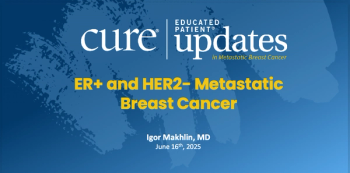
In this on-demand webinar series, Dr. Igor Makhlin discusses personalized treatment options for ER-positive, HER2-negative metastatic breast cancer, including the role of ESR1 mutation testing and targeted therapies like Orserdu.
Ojjaara helps patients with myelofibrosis by reducing spleen size, easing symptoms, and improving anemia to boost independence from blood transfusions.
Dr. Zhaoming Wang discussed how childhood cancer treatments can speed up biological aging and impact survivors’ health long after treatment ends.
Enabling patients to generate CAR T-cells internally could cut kidney cancer therapy costs, explained Dr. Wayne Marasco of Dana-Farber Cancer Institute.
Samantha Bianzon explained what biology-guided radiation therapy for cancer is, as well as highlighted how it may differ from the more traditional types of radiation.

Disparities in cancer care can often lead to delays, disruptions, and barriers to timely treatment, leading to an unmet need in the community treatment space.
Q-TWiST may help patients with advanced kidney cancer and their doctors weigh treatment options by focusing on quality of life, not just disease control.
Dr. Ari Hakimi highlighted how tumor profiling and molecular markers are expanding access to precision-based trials for kidney cancer.
Personalized cancer vaccines may potentially represent a step forward in guiding the immune system to more precisely target kidney cancer.
An expert highlights the impact of anemia in myelofibrosis and presented Ojjaara as a possible treatment to reduce transfusions and improve outcomes.
After ovarian cancer surgery, Mary Barbera spent three months in rehab before finally returning home, a milestone that marked her emotional recovery.
Terry Gillespie said the hardest parts of her cancer journey were the isolation, the impact of chemotherapy, and how unprepared she felt.
Panelists discuss how preparing multiple myeloma patients for treatment involves structured education, emotional support, and proactive symptom management—emphasizing clear communication about the four-drug regimen, logistics, and supportive care to empower patients and ensure safety throughout their treatment journey.