

The field of radiation oncology has advanced in brain cancer treatment with precise therapeutic approaches including proton and carbon therapy.
The field of radiation oncology has advanced in brain cancer treatment with precise therapeutic approaches including proton and carbon therapy.

For Melanoma Awareness Month, Dr. Douglas Johnson explains how stage and features of the disease can guide treatment decisions after diagnosis.

Dr. Andrew M. Evens breaks down what it means to be an adolescent or young adult with lymphoma and how treatment differs from pediatric and adult care.

Dr. Kara Kelly discusses some of the most common challenges faced by adolescent and young adult patients with lymphoma.

Dr. Daniel J. Boffa shared how cancer care teams support patients in quitting smoking and how new data may guide improvements in high-smoking U.S. regions.
Panelists discuss balancing clinical trial data with real-world patient factors when choosing between treatment options, emphasizing the importance of quality of life alongside cancer control in the second-line setting.
Panelists discuss how the EMERALD trial demonstrated elacestrant's efficacy in ESR1-mutated tumors, particularly in patients who had received CDK4/6 inhibitors for at least 12 months. This led to its FDA approval for this specific population.
Immune therapy is generally safer than chemotherapy, allowing more patients with melanoma and other conditions like heart or lung issues receive treatment.
Bladder preservation for bladder cancer requires balancing clinical factors and patient health with a personalized treatment plan.

Dr. Shirley D'Sa discusses the importance of catching peripheral neuropathy in patients with Waldenström macroglobulinemia early on and how to treat it.
Panelists discuss how to communicate genomic testing results to patients and make shared treatment decisions, particularly when multiple targeted therapy options are available for patients with ESR1 and PIK3CA mutations.
Panelists discuss how to approach second-line therapy decisions for patients with metastatic breast cancer, emphasizing the importance of biomarker testing, including ESR1 mutations, and considering patient-specific factors.

Dr. Cathy Eng discusses the importance of the Braftovi plus Erbitux FDA approval for treatment-naive BRAF V600E+ metastatic colorectal cancer.
Dr. Scott T. Tagawa discusses what patients with prostate cancer should know about the potential benefits and risks of participating in a clinical trial.
Most patients in accredited hospitals had smoking discussions documented, showing key care opportunities and smoking’s impact on treatment outcomes.
Panelists discuss how testing for specific changes in cancer cells, like ESR1 mutations, can help guide treatment choices for patients with hormone receptor-positive metastatic breast cancer.

Dr. Neha Mehta-Shah discusses ways patients with rare blood cancers, such as lymphoma, can better understand their specific subtype of disease.
Patient and disease-related factors influence surgical recovery and treatment outcomes after Keytruda and Padcev in advanced urothelial cancer.
Dr. Hyung L. Kim discusses how the addition of cytoreductive nephrectomy to ICI therapy may affect survival and quality of life those with kidney cancer.
Breast MRI helps doctors detect disease in newly diagnosed and high-risk patients without replacing mammograms, according to an expert.
Richard Winneker gathers input from patients and researchers to shape MPN research, aiming to fund strategic projects for this population.
Dr. Curtiland Deville Jr. discusses the importance of crafting an individualized treatment plan for patients with prostate cancer.

Dr. Matthew Galsky highlights the impact of Imfinzi’s adjuvant approval for patients with muscle-invasive bladder cancer following cystectomy and chemotherapy.
CURE spoke with John Crispino, the director of the division of experimental hematology at St. Jude Children’s Research Hospital.
Dr. Douglas Reznick shares advice for patients with lung or head and neck cancer who may feel overwhelmed by their diagnosis.
A push for answers led to a rare blood disorder diagnosis after Joy’s symptoms were initially dismissed.

An expert sat down to discuss the emotional and physical barriers patients may face when seeking support for fear of cancer progression.
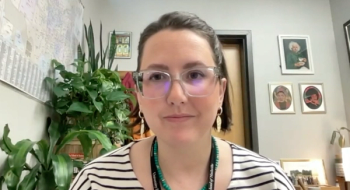
Carly Stafford Dixon, a rare cancer survivor, highlights the need for AYA cancer awareness to improve support, visibility and access to vital resources.

Bavencio improved survival in patients with bladder cancer, irrespective of diabetes status, according to an analysis of the JAVELIN Bladder 100 trial.