

|Videos|August 10, 2015
Blood Tests and Risk Factors
Advertisement
Episodes in this series


Advertisement
Related to this article

Given an 18-month prognosis for peritoneal mesothelioma in 2007, a mother shares the joy of tapping her son out at his Air Force basic training graduation.
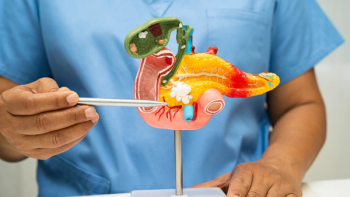
Most people with pancreatic cancer lose weight they didn't mean to. Here is how weight loss from poor digestion differs from cachexia, and what enzymes, eating strategies and appetite medicines can do.

A woman treated for DCIS breast cancer with a double mastectomy shares why her smoother recovery left her with survivor guilt and feeling like an impostor.

Many people with pancreatic cancer can't fully digest food. Here's how pancreatic enzyme replacement therapy (PERT) works, how to take it with meals and snacks, and what side effects to know.
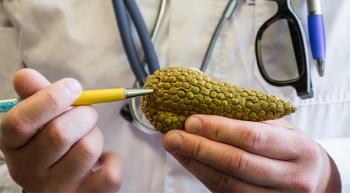
The Whipple procedure is the main operation for cancer in the head of the pancreas. Here is what is removed, what the hospital stay is like, the complications to know about and how eating changes afterward.

Immunotherapy is a mainstay of lung cancer treatment, and its side effects are different from chemotherapy's. Here are five to know, what they feel like and how care teams treat them.

For National Hospice and Palliative Care Month, answers to common questions about how palliative care differs from hospice, who qualifies, what Medicare covers and how to find a program.

A breast cancer survivor shares how cancer turned gratitude into an everyday practice and why it's OK when the holidays bring both joy and grief this year.
Advertisement
Advertisement
Trending on CURE
1
FDA Approves Pimicotinib for Tenosynovial Giant Cell Tumor
2
Neuroendocrine Tumors: 7 Questions Patients Ask, Answered
3
Why Rituxan Plus Cladribine May Delay Hairy Cell Leukemia Relapse
4
Datroway Slows Brain Metastases in Triple-Negative Breast Cancer
5