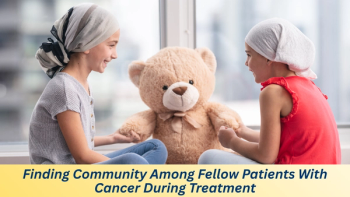
A leukemia survivor recalls how bonding with other patients helped his hospital stays go by faster and became a key part of his emotional healing.
Dr. Matthew Karr explains how CAR T-cell therapy works, who may be eligible and how doctors decide when to treat or monitor cancer.
Chemotherapy remains what many people picture when they hear a cancer diagnosis, but treatment for certain blood cancers now includes therapies built from a patient's own immune cells, among them chimeric antigen receptor (CAR) T-cell therapy.
"Chemotherapy, I think, is what you classically think of, right? If someone tells you they have cancer, that's kind of what you've seen in the movies, and it's been portrayed as something that's quite antiquated and with quite toxic side effects as well," said Dr. Matthew Karr, a third-year oncology fellow at Rutgers Cancer Institute, in an interview with CURE.
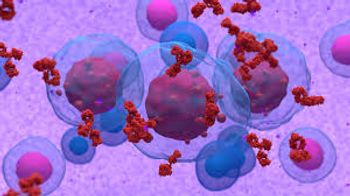
Cell therapy draws on the immune system a patient already has, and in lymphoma that takes the form of CAR T-cell therapy, which begins with removing T cells, the immune cells that target cancer, from the body. Those cells go to the manufacturer, where they are equipped with an antibody built to locate that specific cancer, and are then reinfused into the patient.
Karr described the result as a therapy that keeps working after it is given.
"I mean, I think it's like science fiction in a lot of ways. This is a living drug within your body that has been specifically modified to fight your cancer," he explained.
CAR T-cell therapy is approved in large B-cell lymphoma and multiple myeloma, and in some cases after the first line of treatment, meaning patients whose disease returns may be candidates rather than waiting through several rounds of other therapy first.
Access often depends on where a patient is treated. Community oncology practices frequently lack the infrastructure to administer these products, Karr said, though they tend to have working relationships with larger centers equipped to deliver them, which is how many patients reach the therapy.
Not every diagnosis calls for immediate treatment, and Karr said certain diseases come with specific criteria that guide the timing. Some slower-growing lymphomas cannot be cured but respond well to treatment, which gives oncologists room to wait for the right moment rather than starting right away.
"We want patients to enjoy their lives as much as they can and minimize the amount of time that they need to feel like a patient," he said.
The signs that point toward starting treatment include the size of the tumor, frequent infections and certain blood counts. More aggressive cancers do not allow for the same approach, Karr added, but where the disease permits it, delaying treatment until it is needed protects quality of life in the meantime.
For more news on cancer updates, research and education,