At three years, 69% of patients treated with Imfinzi and chemotherapy around surgery were alive, compared with 62% of patients treated with chemotherapy alone.
Patients with advanced gastric cancer received PD-1 inhibitors at similar rates across racial groups, although overall use remained limited in real-world care.
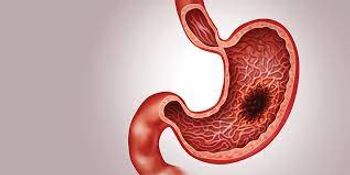
In attempt to assess treatment patterns in advanced gastric cancer across racial and ethnic groups throughout the U.S., investigators found that treatment typically consisted of PD-1 inhibitors compared with immunotherapy and there were no significant differences in PD-1 inhibitor treatment by race.
This research, which was shared in a poster presentation at the 2026
“No significant differences in the utilization of PD-1 inhibitors by race were observed, suggesting equitable access to effective treatments among treated populations,” author Dr. Albert Craig Lockhart, of the Medical University of South Carolina, wrote in a poster detailing the research.
Gastric cancer is the fifth most commonly diagnosed cancer worldwide, with the U.S. ranking sixth in incidence. Since 2021, immune checkpoint inhibitors, including PD-1 inhibitors, have received FDA approval as first-line treatment and are now established as standard therapy for patients with advanced gastric cancer. Despite these advances, real-world evidence describing treatment patterns among gastric cancer populations, particularly across racial and ethnic groups, remains limited following the introduction of anti–PD-1 therapies.
Because of these gaps in research, investigators utilized this study to evaluate first-line treatment patterns and the uptake of immunotherapy across racial and ethnic groups among patients with gastric cancer using administrative claims data in the U.S.
This retrospective study used health insurance claims from the Symphony Integrated Dataverse to examine real-world treatment patterns among people diagnosed with gastric cancer. The analysis covered care delivered between April 1, 2020, and May 31, 2025. Adults aged 18 years or older who started first-line treatment for gastric cancer during this time were included. To confirm the diagnosis, patients were required to have at least two medical claims for gastric cancer recorded on different days.
Patients who participated in clinical trials or who had another primary cancer diagnosis, excluding indolent cancers, were not included. Treatment was considered discontinued if a patient started a new line of therapy or experienced a gap in medication supply longer than 60 days.
From an initial group of 138,604 individuals with gastric cancer claims, a total of 2,054 patients met all study criteria and were included in the final analysis. Patients were grouped based on reported race and ethnicity, including non-Hispanic Black, Hispanic, non-Hispanic White, Other, or Unknown. The final study population included 228 non-Hispanic Black patients (11%), 220 Hispanic patients (11%), and 762 non-Hispanic White patients (37%). The remaining patients were classified as Other or had race and ethnicity information that was not reported.
At the start of first-line treatment, approximately 57% of patients were male, and the average age was 66.7 years. Most patients had commercial health insurance, accounting for 62.8% of the study population. Overall health status was measured using the Charlson Comorbidity Index, with a mean score of 6.1, indicating that many patients had multiple existing health conditions. The most common conditions included cardiovascular disease, hypertension and anemia. Hispanic and non-Hispanic Black patients tended to be slightly younger than non-Hispanic White patients at treatment initiation and had higher comorbidity scores, reflecting a greater burden of coexisting medical conditions at baseline.
This broad patient population allowed researchers to examine how treatments were being used across different groups in real-world settings.
When looking at the types of first-line treatments patients received, most individuals (63%) were treated with systemic chemotherapy alone. Approximately 29% of patients received immunotherapy targeting PD-1, either on its own or in combination with chemotherapy. Combination immunotherapy regimens were used more often than PD-1 therapy alone at the start of treatment. Use of PD-1–based therapies was slightly higher among non-Hispanic White patients compared with Hispanic and non-Hispanic Black patients, although all groups showed meaningful use of these newer treatments.
Treatment patterns also changed over time. The proportion of patients receiving PD-1–based therapy as first-line treatment increased from 29% in 2021 to 33% between 2024 and 2025, suggesting gradual adoption of immunotherapy in clinical practice. Despite this increase, chemotherapy remained the most commonly used initial treatment throughout the study period.
Patients were followed for an average of approximately 17 months after starting first-line therapy. The median duration of first-line treatment was over four months across all racial and ethnic groups, with similar treatment durations observed regardless of background. Most patients (74%) did not go on to receive a second line of treatment during the study period. Among those who initially received chemotherapy, only a small proportion later switched to PD-1–based therapy.
Notably, study authors highlighted that some limitations may exist outside of the context of the research such as reliance on insurance claims data, limited clinical details and the possibility that findings may not fully reflect the experiences of all patients with gastric cancer.
Overall, these findings highlight current real-world treatment patterns and underscore challenges patients face in receiving additional therapy after first-line treatment.
“Effective first-line therapy is imperative to promote positive patient outcomes, as a substantial proportion of patients were unable to receive second-line potentially due to clinical deterioration or death,” Lockhart concluded in the research.
For more news on cancer updates, research and education,