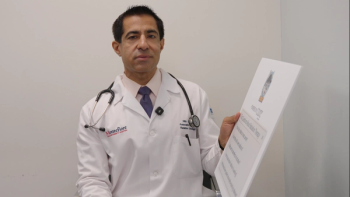
Gastrointestinal side effects, including diarrhea and colitis, occur in up to 40% of patients receiving ICIs, with a median onset of 6 weeks. Management protocols dictate that Grade 2 symptoms require a treatment hold and 1 to 2 mg/kg/day of prednisone or IV methylprednisolone. Severe Grade 3 or 4 cases often require hospitalization and high-dose IV steroids. If symptoms do not improve within 1 to 3 days of steroid use, biologics like infliximab or vedolizumab are added. Dr. Chandra noted that vedolizumab is associated with lower rates of colitis recurrence and less overall steroid use.
Cardiac toxicities such as myocarditis are rare but carry a high risk of being fatal. The data emphasize that the most critical factor in survival is early detection. Treatment requires immediate discontinuation of the ICI and the administration of high-dose corticosteroids in close coordination with cardiology specialists.
Trial details
The clinical findings were demonstrated through specific cases, such as a 50 year old woman with metastatic melanoma receiving a combination of ipilimumab and pembrolizumab. Dulmage explained that for patients experiencing bullous dermatitis, a blistering skin side effect, the evaluation process must include skin biopsies and serum antibody testing for bullous pemphigoid antibodies. In clinical scenarios where skin flares occurred during a steroid taper, the use of dupilumab was shown to successfully clear the skin.
For patients with a history of psoriasis, immunotherapy can trigger psoriasiform dermatitis. Management for these patients involves Vitamin D analogues and topical corticosteroids. Notably, the presenters stated that oral steroids should be avoided in these specific cases to prevent the risk of a rebound flare. These trial-based details ensure that medical teams can tailor their response to the specific morphology of the side effect.
Safety
Safety standards for managing ICI toxicities rely on rapid escalation and the use of steroid-sparing agents when necessary. To maintain patient safety during gastrointestinal complications, healthcare providers must review medical histories carefully; for instance, infliximab is generally avoided in patients with severe heart failure or concurrent hepatitis.
For refractory skin-related side effects, narrowband UVB phototherapy provides a safe alternative for symptom management. The presenters also underscored that any Grade 4 gastrointestinal event necessitates the permanent discontinuation of the responsible immunotherapy agent. By utilizing these structured safety protocols and coordinating between oncology, dermatology and cardiology, medical teams can more effectively protect patients with cancer while they undergo advanced immunotherapy treatments.
References
- “Management of Immunotherapy-Related Toxicities, Version 1.2022” by Dr. John A. Thompson, et al., Journal of the National Comprehensive Cancer Network.
For more news on cancer updates, research and education, don’t forget to subscribe to CURE®’s newsletters here.