

Opinion|Videos|May 15, 2026
Monitoring, Supportive Care, and Managing Expectations
Melanoma patients preparing for inpatient TIL therapy learn what to pack, how chemo feels, and how IL‑2 side effects are managed.
Advertisement
Episodes in this series
Close monitoring during interleukin-2 (IL-2) therapy is essential for safety. Acute care nurse practitioner Mary Montefusco, ACNP, of Memorial Sloan Kettering Cancer Center walks through the day-to-day checks, including daily weights, careful tracking of fluids in and out, vital signs, and twice-daily labs to watch blood counts, kidney, and liver function. She describes the supportive medications commonly used, including meperidine or hydromorphone for rigors, diphenhydramine and acetaminophen before each dose, antinausea medicine, furosemide for fluid buildup, and antibiotics if a fever develops when the immune system is low. Medical oncologist James Smithy, MD, MHS, discusses the importance of fluid balance and how the team helps prevent swelling. Michael Goldman reflects that while IL-2 was tougher than he expected, the chills were short-lived, and he shares practical advice for anyone going through it, such as bringing extra blankets for the toughest moments.
Advertisement
Related to this article

The FDA grants traditional approval to Keytruda and Keytruda Qlex for TMB-H solid tumors, updating the threshold to at least 13 mutations per megabase.

Martha Carlson reflects on her 11 years with metastatic breast cancer and explores how resilience, purpose and the stories we tell ourselves shape the cancer experience.
A study found that 1 in 9 older cancer survivors developed a second cancer, highlighting why routine screening remains important beyond five years.

After breast cancer at 30, Aisha shares her journey through motherhood, a double mastectomy, body image struggles and the challenges of survivorship.
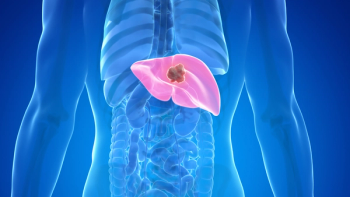
Learn why hepatitis B can reactivate during cancer treatment, which therapies increase the risk and how antiviral medicines can help protect liver health.

After her sister’s Hodgkin lymphoma diagnosis, remission and relapse, a caregiver reflects on follow-up care, guilt and finding hope between cancer battles.
After a pancreatic cancer diagnosis upended his life and career, one survivor reflects on treatment, resilience and finding hope more than a decade later.
The American Society of Hematology published 2026 guidelines for adults with myelofibrosis on Oct. 14, 2026, with 10 recommendations on genetic testing, JAK inhibitors, anemia, transplant referral and aspirin.
Advertisement
Advertisement
Trending on CURE
1
New Myelofibrosis Guidelines Back Wider Gene Testing at Diagnosis
2
FDA Clears AI Tool Using MRI to Gauge Breast Cancer Recurrence
3
FDA Approves Jemperli for dMMR Locally Advanced Rectal Cancer
4
Why Cancer Screening Remains Important for Long-Term Cancer Survivors
5