

A nurse practitioner talks about personalized therapy and the role that genomic testing plays for patients with breast cancer.

Kristie L. Kahl is vice president of content at MJH Life Sciences, overseeing CURE®, CancerNetwork®, the journal ONCOLOGY, Targeted Oncology, and Urology Times®. She has been with the company since November 2017.
She is a graduate of Rider University, where she acquired a Bachelors of Art in journalism, as well as a graduate of Temple University, where she received her Masters of Science in Sports Management.
Follow Kristie on Twitter at @KristieLKahl, or email her at kkahl@mjhlifesciences.com.
A nurse practitioner talks about personalized therapy and the role that genomic testing plays for patients with breast cancer.

Study findings support the use of a financial navigation program, in hopes of aiding patients with multiple myeloma affected by financial toxicity.

Brukinsa led to improved progression-free survival over Imbruvica in patients with relapsed or refractory chronic lymphocytic leukemia or small lymphocytic lymphoma, follow-up from the phase 3 ALPINE study showed.

Research demonstrated comparable outcomes in the real-world setting and in the phase 2 MajesTEC-1 trial when it came to treatment with Tecvayli for relapsed or refractory myeloma.

A phase 3 trial demonstrated progression-free survival improvements with Tecentriq-chemotherapy combination in patients with endometrial carcinoma.

Researchers continue to investigate novel immunotherapy drugs for the treatment of renal cell carcinoma.
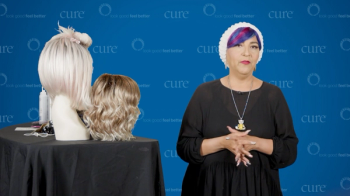
In this on-demand webinar series, CURE partnered with Look Good Feel Better to offer fun wig options for patients to wear after hair loss from cancer treatment.
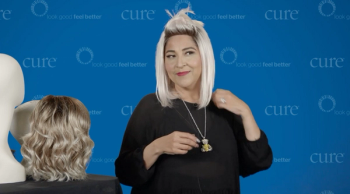
In this on-demand webinar series, CURE partnered with Look Good Feel Better to discuss how patients with cancer can care for their wig.
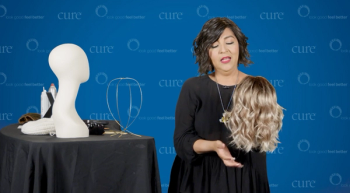
In this on-demand webinar series, CURE partnered with Look Good Feel Better to show how patients who experienced hair loss from cancer treatment can style their wigs.
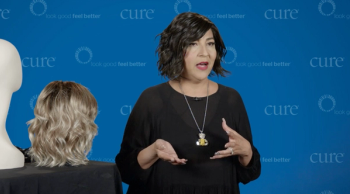
In this on-demand webinar series, CURE partnered with Look Good Feel Better to demonstrate how to put on and adjust a wig for comfort and appearance for patients with cancer who have experienced hair loss from treatment.
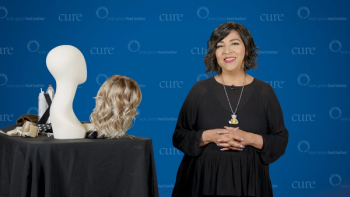
In this on-demand webinar series, CURE partnered with Look Good Feel Better to offer patients with cancer offered tips for haircare and hair loss before, during and after treatment.
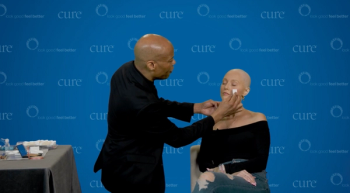
In this on-demand webinar series, CURE partnered with Look Good Feel Better to demonstrate makeup techniques in applying foundation and blush to combat appearance-related side effect from cancer treatment.

Patients with HR-positive, HER2-negative high-risk early breast cancer tended to experience improved invasive disease and distant relapse-free survival after adding Verzenio to endocrine therapy.
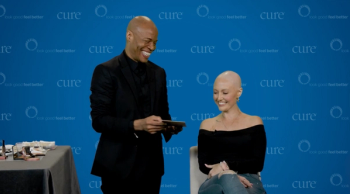
In this on-demand webinar series, CURE partnered with Look Good Feel Better to discuss skincare during cancer treatment to assist patients in their daily routine.
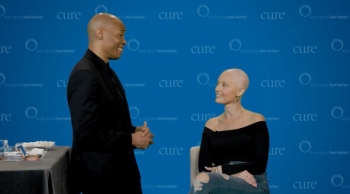
In this on-demand webinar series, CURE partnered with Look Good Feel Better to discuss eyebrow shaping techniques and applying eye shadow and mascara to address appearance-related effect from cancer treatment.
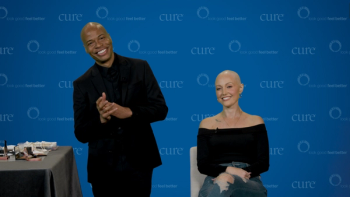
In this on-demand webinar series, CURE partnered with Look Good Feel Better to discuss lip care as part of one’s makeup routine to address appearance-related effects from cancer.

Dato-DXd lengthened the average time it took patients with HR-positive, HER2-low or -negative metastatic breast cancer to experience disease progression, study results showed.

The addition of Keytruda to Xtandi showed no improvements for radiographic progression-free survival and overall survival in patients with metastatic castration-resistant prostate cancer.

Adding Opdivo to a standard-of-care chemotherapy regimen in patients with unresectable or metastatic urothelial carcinoma improved progression-free and overall survival.

Treatment with neoadjuvant Opdivo, followed by Opdivo after surgery led to significantly improved event-free survival in the first phase 3 perioperative study in patients with resectable non-small cell lung cancer.

Some patients with breast cancer who took Verzenio plus endocrine therapy two years after initial treatment demonstrated improved efficacy.
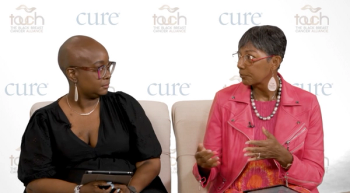
In this on-demand webinar series, CURE partnered with TOUCH, The Black Breast Cancer Alliance to discuss ways patients can be empowered to receive the best care possible.
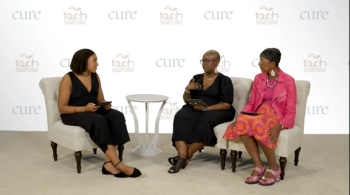
this on-demand webinar series, CURE partnered with TOUCH, The Black Breast Cancer Alliance to negate common clinical trial misperceptions.
In this on-demand webinar series, CURE partnered with TOUCH, The Black Breast Cancer Alliance to discuss how women of color with breast cancer can learn more about their disease.
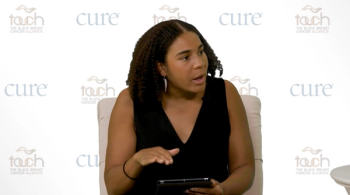
In this on-demand webinar series, CURE partnered with TOUCH, The Black Breast Cancer Alliance to discuss low clinical trial participation in Black patients with breast cancer, and factors that may be contributing.
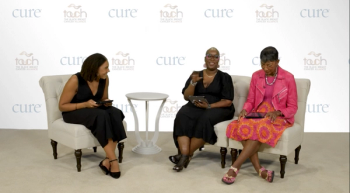
In this on-demand webinar series, CURE partnered with TOUCH, The Black Breast Cancer Alliance to discuss racial disparities in breast cancer.
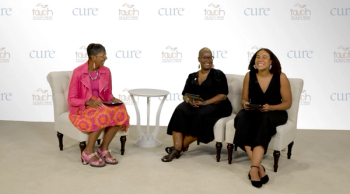
In this on-demand webinar series, CURE partnered with TOUCH, The Black Breast Cancer Alliance to offer resources for women of color with breast cancer that can help with emotional support throughout their journey.
In this on-demand webinar series, CURE partnered with TOUCH, The Black Breast Cancer Alliance to share ways patients can delegate tasks in order to take care of themselves during their cancer journey.
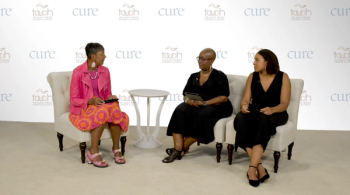
In this on-demand webinar series, CURE partnered with TOUCH, The Black Breast Cancer Alliance to offer advice and ways patients can seek support to ensure they are taking care of their mental and emotional health after a breast cancer diagnosis.
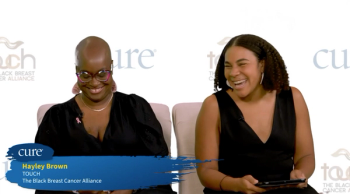
In this on-demand webinar series, CURE partnered with TOUCH, The Black Breast Cancer Alliance to offer background on what exactly resilience during breast cancer is.