








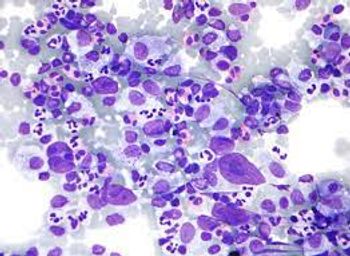
Patients with relapsed/refractory large B-cell lymphoma treated with CAR-T cell therapy and bendamustine chemotherapy, experienced lower rates of survival and response as well as shorter times until progression, according to recent study findings.
Patients with relapsed/refractory large B-cell lymphoma treated with CAR-T cell therapy and bendamustine chemotherapy, experienced lower rates of survival and response as well as shorter times until progression, according to recent study findings.

I spent a week during last Christmas in the oncology ward of a sprawling university hospital in the Midwest.

A treatment combination of avutometinib and defactinib is being evaluated in a new phase 3 trial for patients with low-grade serous ovarian cancer.

An expert explained what ROS1-positive non-small cell lung cancer is and why it is important to identify mutations like ROS1 through genetic sequencing.

The Food and Drug Administration recently approved treatment for some patients with neuroblastoma, kidney cancer and bladder cancer. Elsewhere, a cancer vaccine made headlines for the treatment of patients with melanoma.

A recent study found a correlation between perfectionism and fear of cancer recurrence within patients with breast cancer.

The use best use of opioids or NSAIDS may vary based on the type of pain patients with cancer are experiencing, recent research found.

During the holiday season, the most important thing you can do for a patient with cancer is ‘hold space’ for them.
Those caring for loved ones with cancer are “at risk for becoming overwhelmed or becoming so burdened to the point of exhaustion or being sick themselves,” one expert says.
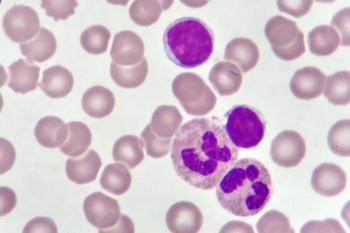
Among patients with relapsed chronic lymphocytic leukemia (CLL) who expressed frequent baseline BTK mutations, responses on the non-covalent BTK inhibitor Jaypirca remained high, according to data presented at the 2023 ASH Annual Meeting.

An expert spoke with CURE® about telehealth when it comes to ostomies within patients with bladder cancer, and overall within patients and survivors.

An expert discusses how the use of robotic surgery improves the lives of patients with cancer, and looks forward to advancements that may come in 2024 and beyond.

A nurse practitioner talks about personalized therapy and the role that genomic testing plays for patients with breast cancer.

I was asked if I celebrate my cancer journey dates... here is what I said.

Breast cancer treatment can disrupt patients’ quality and quantity of sleep, leaving them fatigued and restless during the day.
A treatment combination of Sarclisa, Kyprolis, Revlimid and dexamethasone demonstrated a complete response in patients who were newly diagnosed with multiple myeloma.

An expert discussed the importance of knowing the questions to ask a patient’s care team to navigate one’s journey, including treatment and next steps.

After being diagnosed with stage 3 liposarcoma, my life’s choices came sharply into focus.

New tools help manage ESR1 mutations in metastatic breast cancer.

As a caregiver, it can be challenging to navigate the holidays.
Dr. Stephanie Berg of the Dana-Farber Cancer Institute and Harvard Medical School discussed the recent EMARK trial which resulted in the FDA’s approval of Xtandi for non-metastatic castration-sensitive prostate cancer (nmCSPC) with biochemical recurrence at high risk for metastasis.

One expert explains how patients’ wishes for their end-of-life care can change with time, making those conversations with caregivers “not a one-time, sit-down discussion.”
Patients with chemotherapy-naïve, HER2-low hormone receptor-positive metastatic breast cancer experienced antitumor activity via combination therapy with Arimidex or Faslodex plus Enhertu, according to data from the phase 1b DESTINY-Breast08 trial.

Oct. 8, 2019 was the last day of chemotherapy for my girl.
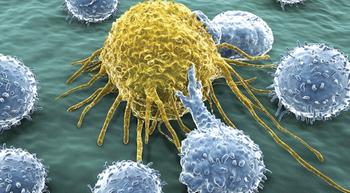
A comparison of Scemblix (asciminib) and Bosulif (bosutinib) demonstrated greater efficacy and safety/tolerability with asciminib for patients with chronic phase chronic myeloid leukemia.


My first oncologist was the nicest man. I only gave him up because we moved to a different state.

“I have found many survivors to be very strong women who seem like they have things under control but it’s always important for family and friends to check in,” television personality, author and breast cancer survivor Giuliana Rancic told CURE.

Now having conquered three cancers and am fighting metastatic pancreatic cancer, scars from all the surgeries within the last 26 years have shown victories and hope.
Patients with advanced-stage melanoma continue to experience reduced risk of recurrence or death following treatment with a combination of mRNA vaccine mRNA-4157 (V940) and Keytruda, an anti-PD-1 therapy, according to recent study findings.