



I have cancer and don't believe in god, can I still be spiritual?
I have cancer and don't believe in god, can I still be spiritual?

Patients and their families facing financial burdens "don't have to try to carry the load all alone," as one ACCC Guidelines Task Force member tells CURE®.

A recent phase 2 trial revealed that the combination of Tafinlar and Mekinist benefitted children with BRAF-mutated low-grade gliomas.
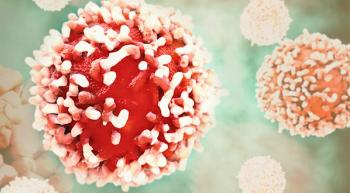
A recent study found that healthy tissue near the sites of lung tumors may contain genetic information that could serve as a predictor of possible cancer recurrence.

In honor of National Family Caregiver’s Month, CURE® highlights some of the most important news in 2023.
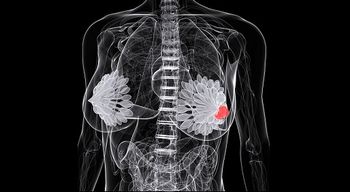
Peer- and self-evaluated techniques are being incorporated to improve the sexual health of women with breast cancer.

Here's what I was asked during an AML patient workshop...
Immune checkpoint inhibitors can benefit patients in many ways, but especially with quality of life as the drugs are “very well-tolerated,” an expert said.

After being diagnosed with cancer, I decided to turn my “whys” and “what ifs” into education and advocacy work.
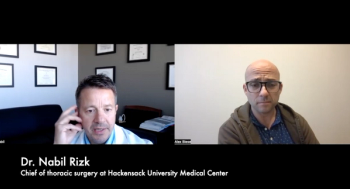
Dr. Nabil Rizk, chief of thoracic surgery at Hackensack University Medical Center, explains that segmentectomy is “just a little bit more of a refined way of treating cancers.”
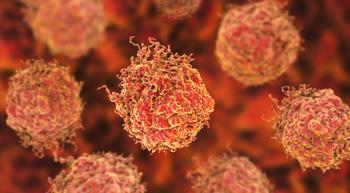
The first patient has received TLX591, an antibody-based treatment for PSMA-positive metastatic castrate-resistant prostate cancer.

If metastatic breast cancer no longer responds to a given therapy, finding out what targetable mutations a patient has may guide the next steps for treatment, an expert said.

I see a psychologist who is helping me to understand my feelings and to learn mindfulness meditation techniques.
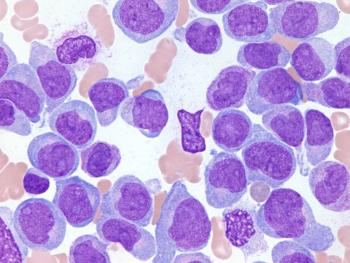
Maintenance treatment with Nexavar improved survival in patients with FLT3-ITD acute myeloid leukemia, research showed.

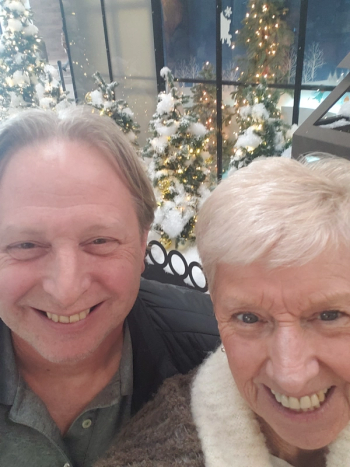
Diane Messick, a three-time lung cancer survivor, tells CURE® about her cancer journey which has included a segmentectomy, a lobectomy and radiation treatment since receiving her first diagnosis in 2017.

The FDA granted an orphan drug designation for the novel drug, NT-17, to treat people with acute radiation syndrome.

In honor of Men’s Health Awareness Month, CURE® looked back on some of the most significant news within the oncology space.

Every individual is unique in their own way.

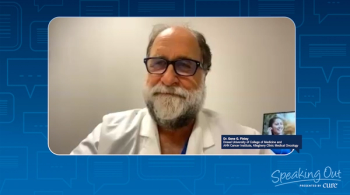
As part of its Speaking Out® video series, CURE® spoke Dr. Gene G. Finley of Drexel University of College of Medicine and AHN Cancer Institute, Allegheny Clinic Medical Oncology, about education disparities among patients with lung cancer.
As part of its Speaking Out® video series, CURE® spoke Dr. Gene G. Finley of Drexel University of College of Medicine and AHN Cancer Institute, Allegheny Clinic Medical Oncology, about advancements in treating non-small cell lung cancer and the unmet needs that persist for patients.
As part of its Speaking Out® video series, CURE® spoke with Dusty Joy Donaldson of LiveLung/The Dusty Joy Foundation and Lung Cancer Action Network about her lung cancer journey and the importance of scans.
As part of its Speaking Out® video series, CURE® spoke with Kimberly Buchmeier, a lung cancer survivor and board member of LiveLung.

Since your diagnosis and treatments, how many life direction changes have you made?

The Food and Drug Administration approved six new cancer therapies in November 2023.
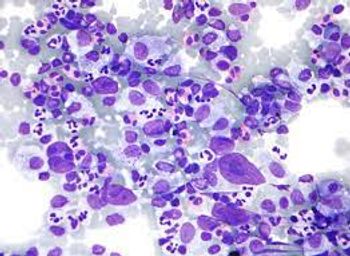
A treatment combination that includes Velcade and Rituxan helps improve responses and the safety profile in marginal zone lymphoma, according to a phase 2 trial.

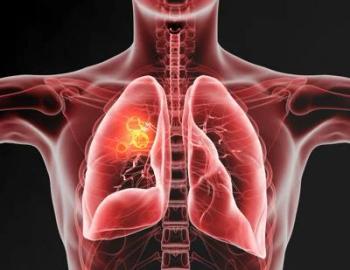
Datopotamab deruxtecan elicited encouraging responses in patients with heavily pretreated non–small cell lung cancer harboring actionable genomic alterations.