








CURE® spoke with Monica Fawzy Bryant, chief operating officer of Triage Cancer, about health insurance options and what patients with cancer need to know.
CURE® spoke with Monica Fawzy Bryant, chief operating officer of Triage Cancer, about health insurance options and what patients with cancer need to know.

Many cancer survivors may feel the urge to use their disease as a convenient excuse for avoiding unpleasant situations, writes a survivor. However, she urges others to avoid giving into that power.
Here is a list of some recent trials that launched within the cancer space in March.
There is a lot of hype on T-cell engagers and CAR T-cell therapy, but there are other new and exciting immunotherapies in myeloma not talked about that may be approved in the near future, according to an expert.

The biggest reason the FDA’s recent approval of Fotivda is important for adults with relapsed or refractory advanced renal cell carcinoma who have received two or more prior systemic therapies, according to an expert from the Vanderbilt-Ingram Cancer Center, is that it offers them a very tolerable treatment option that may preserve quality of life.

The old saying is that spring is the season of hope, and this cancer caregiver writes how it feels like this spring has a bit more bounce in its step.

A new technology that can detect small amounts of circulating tumor DNA in the blood of patients who previously received a diagnosis of certain types of cancer may dramatically accelerate the ability to cure more patients, says an expert from the University of Texas MD Anderson Cancer Center.

In a recent interview with CURE®, an expert from Fox Chase Cancer Center discussed gastrointestinal stromal tumors (GIST) and addressed a multitude of topics including common symptoms associated with the disease, and potential future therapies that may be beneficial for patients.

Results of a preliminary clinical trial show that MK-1775 — an investigational therapy — as a single agent, or in combination with Ayvakit, may be effective in the treatment of gastrointestinal stromal tumors. However, one of the study’s authors notes that further research is needed to determine a benefit in patients.

Data from a recent study demonstrates that patients with breast cancer — especially those who are younger, privately insured, of non-White race and lower-income — are more likely to file for bankruptcy than those without cancer.

A patient with metastatic cancer writes what it has been like to face the dilemma of receiving an effective cancer therapy that may put her heart at risk.

The identification of rare genomic alterations in patients with colorectal cancer gives oncologists the opportunity to treat patients who otherwise might not have many options.

The phase 3 ARIEL4 trial evaluated Rubraca (rucaparib) versus chemotherapy in patients with ovarian cancer and a BRCA mutation who did not respond to two or more lines of chemotherapy.

Keytruda in combination with chemotherapy has just received FDA approval for the treatment of patients with metastatic or locally advanced esophageal and gastroesophageal cancers.

For patients with B-cell lymphoma, the addition of Revlimid to standard R-CHOP did not improve progression-free survival nor event-free survival.

On social media, CURE® recently asked its readers to offer advice to others looking to help friends and family who have been diagnosed with cancer. Here is some of their advice.

Instead of using the cliché of calling the story of her and her husband’s relationship a classic “love story”, this caregiver who lost her husband to glioblastoma after just 26 months reflects on why she prefers to focus on the fact that they weren’t superhuman – they were just lucky enough to find each other.
Although a multiple myeloma diagnosis can be overwhelming for patients, an expert from the Massachusetts General Hospital Cancer Center notes how the disease is very treatable, and that patients can go on to lead full lives.

A three-time cancer survivor discusses the importance of genetic testing, listening to your body and teaching family members about your experiences to potentially protect them from future cancers.

It’s time to smile and give thanks as people can start to emerge from their bunkers to rejoin society now that there are multiple COVID-19 vaccines, writes one cancer survivor.

In clinical trials, Opdivo in combination with chemotherapy improved overall survival and progression-free survival compared to chemotherapy alone.

After enduring an extensive treatment of 60 chemotherapy infusions, a patient with metastatic breast cancer has developed a superpower — an extreme sense of smell.
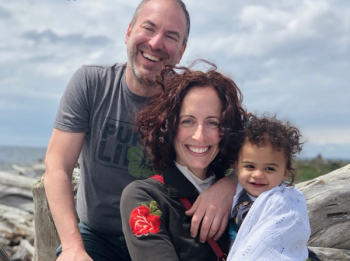
Fertility treatments led to a cancer diagnosis but also opened the door to adoption and a new view on life.
Patients with this liver cancer subtype do not need to be hospitalized to receive this treatment and, according to the agent’s manufacturer, Boston Scientific, can typically receive the therapy in approximately an hour during an outpatient procedure.

FDA approval of immunotherapies and BRAF/MEK inhibitors may have impacted overall survival, with a change from seven months between 2010 and 2014 to 13 months between 2015 and 2019.

Life is like a book, writes this cancer survivor. And people shouldn’t be afraid to turn the page to see what’s on the other side, she says.

From the first COVID-19 vaccine doses becoming available for patients and their caregivers at a cancer center in Texas to community police officers delivering food to families impacted by cancer in Philadelphia, here’s what’s happening in the cancer landscape this week.

The HPV vaccine has been shown to help prevent cervical cancer, but what if you didn’t get the vaccine in time to prevent the disease?

An expert from the Massachusetts General Hospital Cancer Center recently spoke with CURE® and discussed how mindfulness can benefit cancer survivors.

Postponing tests or doctor visits during the pandemic may increase women’s risk of cancer.