







CURE® compiled a roundup of five recent reports patients with skin cancer may have missed.
CURE® compiled a roundup of five recent reports patients with skin cancer may have missed.

The data demonstrated that the addition of Ninlaro to Revlimid and dexamethasone led to a 13.5-month increase in median progression-free survival, compared with placebo. However, the data failed to meet the threshold for statistical significance.

On social media, CURE® recently asked its readers to share how they overcome the fear that comes with cancer. Here, we share some of their responses.

“With education and awareness to defeat the stigma, resources for those diagnosed, and innovative research toward cures, we can end colorectal cancer in our lifetime,” Michael Sapienza, CEO of Colorectal Cancer Alliance, said in a statement.

A proposed preventive surgery that would take out fallopian tubes before menopause but save ovary removal until afterwards was favored by most premenopausal previvors of ovarian cancer in a study.

The study results also showed that older age was significantly associated with lower cancer genetics knowledge, which, according to a post-doctoral research fellow at Dana-Farber Cancer Institute, is important because older adults may serve as a resource for family members who seek information about their family's health history.

From the passing of famed Game of Thrones actress Dame Dianna Rigg after a lung cancer diagnosis to the recording of a confrontational call between a three-time cancer survivor and her senator’s staffer, here’s what’s happening in the cancer headlines this week.
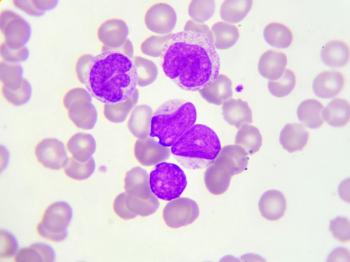
Forty percent of patients with triple-refractory multiple myeloma achieved a response after receiving 60 millicurie (a unit of radioactivity) or greater of CLR 131.

Compared to physician’s choice of chemotherapy, the MEK inhibitor Mektovi failed to improve progression-free survival in patients with low-grade serous ovarian carcinomas. However, the study authors note Mektovi demonstrated promising results that support continued use of the treatment.

When compared with the standard of care triplet regimen of Velcade, Revlimid and dexamethasone, the combination of Kyprolis, Revlimid and dexamethasone did not demonstrate superior treatment results in patients with newly diagnosed multiple myeloma.
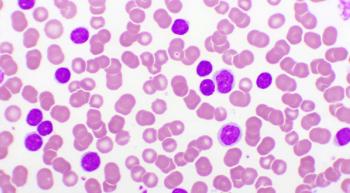
Adding Venclexta to Vidaza chemotherapy improved survival and boosted the complete remission rate in previously untreated patients with AML who had coexisting health conditions and/or were age 75 or older, results from a phase 3 clinical trial showed.
The FDA based its decision on data from a phase 3 trial which showed that adding plinabulin to Neulasta significantly improved the rate of severe chemotherapy-induced neutropenia.

There have been several drug approvals and updates from the Food and Drug Administration (FDA) in the cancer space over the last several weeks.
The Food and Drug Administration’s warning comes weeks after Genentech, the manufacturer of Tecentriq, issued a press release noting that the IMpassion131 trial failed to meet its primary endpoint of improving progression-free survival in patients with triple-negative breast cancer.

“Our hope is that this will enable us to reduce or eliminate late effects of treatment that persist into the survivorship years,” Dr. Peter Cole, of Rutgers Cancer Institute of New Jersey, said in a press release.

On social media, CURE® recently asked its readers to share the most surprising thing that’s changed in their life since receiving a cancer diagnosis. Here, we share some of their responses.

A roundup of the latest news and updates for patients with metastatic breast cancer from CURE®.

A roundup of the latest news and updates for patients with prostate cancer from CURE®.

The Food and Drug Administration approves Gavreto for treatment of patients with metastatic, RET fusion-positive non-small cell lung cancer.

A recent approval of the combination of Monjuvi and Revlimid fills an unmet need for certain patients with DLBCL, according to Dr. Gilles Salles.
From researchers identifying honeybee venom’s potential to kill cancer cells in a lab to a new study showing cancer risk was not significantly associated with use of permanent hair dye in women, here’s what’s happening in the cancer landscape this week.
The Food and Drug Administration granted a priority review to the new drug application for melflufen in combination with dexamethasone for adults with relapsed and refractory multiple myeloma (RRMM) who had previously received multiple lines of therapy.

Allogeneic hematopoietic stem cell transplant’s role in the chronic lymphocytic leukemia has changed due to new novel agents, but research shows its still effective despite novel agent exposure.

Immediate treatment with Lynparza after standard surgery and chemotherapy should be considered for all patients with newly diagnosed stage 3 or 4 ovarian cancer that carries a BRCA gene mutation, even if residual disease remains, researchers have found.

Heightening the dose of the targeted drug Rituxan (rituximab) during the first four cycles of the R-CHOP regimen does not improve outcomes in treating patients with diffuse large B-cell lymphoma, the phase 3 HOVON-84 trial found.
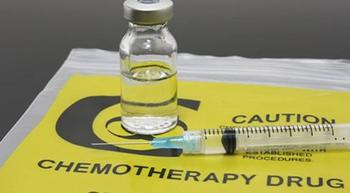
An early phase 1b/2 study of Copiktra in combination of standard of care shows how the treatment is active for patients with chronic lymphocytic leukemia but further study is needed to ensure it is an effective and safe alternative to standard of care.

As the COVID-19 pandemic continues to impact the care of patients with metastatic renal cell carcinoma and other cancers, health care professionals are working together to stay vigilant and make the best treatment decisions for their patients by pooling their data with tools like the COVID-19 and Cancer Consortium, says Dr. Toni K. Choueiri.
“Moving forward, (bendamustine and Rituxan) will likely become a common backbone for the incorporation of other cytotoxic or novel agents in an attempt to further improve outcomes while maintaining an effective, safe, and ideally outpatient regimen for MCL,” the authors wrote.
The approval for patients with acute myeloid leukemia was based on data from the phase 3 QUAZAR AML-001 trial, which demonstrated that patients who received Onureg achieved a median overall survival of 24.7 months compared to 14.8 months for those who received placebo.

Each month, we take a look back at the most popular CURE® stories. Here are the top five stories for August 2020.