






Patients with HR-positive HER2-negative advanced breast cancer, including elderly patients, derived a progression-free and overall survival benefit with Kisqali plus endocrine therapy compared with placebo plus endocrine therapy.
Patients with HR-positive HER2-negative advanced breast cancer, including elderly patients, derived a progression-free and overall survival benefit with Kisqali plus endocrine therapy compared with placebo plus endocrine therapy.

The FDA accepted a priority review for the supplemental Biologics License Application of Opdivo with chemotherapy for untreated patients with unresectable or metastatic bladder cancer.

Adding one cup of navy beans per day to patients’ diets increased beneficial bacteria in the digestive system with no side effects, according to recent study findings.

A new study aims to answer questions regarding end-of-life care for patients with stage 4 cancers and their caregivers.

Researchers have found that a deeper look at proteins and cells may help explain why prostate cancer tumors often become resistant to hormone therapy.

Here's what you can be thankful for...

The Food and Drug Administration gave the green light to a phase 1/2 trial of KSQ-001EX for patients with melanoma, head and neck squamous cell carcinoma and non-small cell lung cancer.

I used my tools as a psychotherapist after being faced with my own cancer diagnosis.

The FDA has granted priority review for the Padcev-Keytruda combination in untreated patients with metastatic bladder cancer, according to a news release.

A recent study showed that incorporating immunotherapy checkpoint blockade into treatment before and after surgery can increase treatment-related side effects.
The recent FDA approval of the next-generation tyrosine kinase inhibitor Augtyro provides patients with locally advanced or metastatic ROS1-positive non-small cell lung cancer another treatment option when the disease becomes resistant to other therapies.

After all these blogs, there’s still one side effect I haven’t talked about.
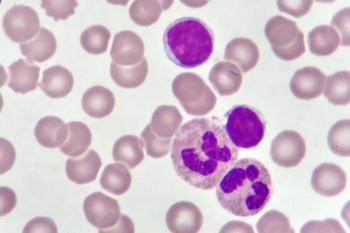
Results from a four-year follow-up of a phase 3 trial determined that the combination of Imbruvica and Venclexta provided benefits for untreated patients with CLL.
From FDA concerns to a potential new drug, CAR-T cell therapies were dominating oncology headlines last week.

Patience is key when supporting a patient with cancer.

Cervical cancer survival and Cervivor ambassador Kate Weissman provides advice on conversations patients with cervical cancer should be having with their care teams.

The scar tissue surrounding pancreatic cancer may offer prognostic insight — and potential new treatment strategies — for patients with pancreatic cancer.

I didn't know that a side effect of bone strengtheners could be jawbone detachment.

Zotatifin plus Faslodex and Verzenio was granted as a Fast Track Designation for the treatment of ER-positive, HER2-negative advanced or metastatic breast cancer.

The Food and Drug Administration approved Jaypirca for patients with chronic lymphocytic leukemia or small lymphocytic lymphoma who received two or more lines of therapy.
The Food and Drug Administration granted a Breakthrough Therapy Designation to Epkinly to treat patients with relapsed or refractory follicular lymphoma.

The Truqap-Faslodex treatment combination offers “more options” for some patients with HR-positive, HER2-negative breast cancer, an expert told CURE®.

If you have scanxiety, you aren't alone.

As Shannen Doherty revealed her cancer diagnoses and upcoming podcast and a woman with breast cancer completed her bucket list, here is what’s happening in the oncology space this week.

Treatment with Imfinzi for patients with advanced or metastatic NSCLC and limited physical performance status offered beneficial overall survival and maintained quality of life.

Analysis of molecular subtypes of muscle-invasive bladder cancer can predict if a tumor is likely to respond to chemotherapy before surgery but is not associated with differences in survival.

Although patient-facing AI could be more convenient in some settings, researchers delved into the ethical challenges and threats to patient dignity.
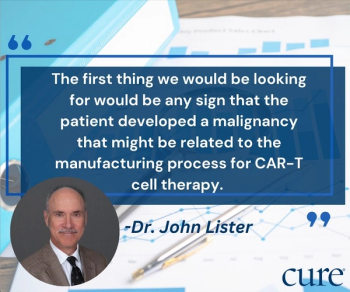
An expert discusses the FDA’s investigation into the possible association between CAR-T cell therapy and secondary T-cell malignancies.

As we all know, added stress for patients with cancer is never a good thing.

Cervical cancer survivor Kate Weissman talks recent research on follow-up visits for patients after fertility-sparing surgery, and explains why it’s ‘something that the cervical cancer community is owed.’