








The treatment was also associated with antitumor activity in patients with metastatic castration-resistant prostate cancer.
The treatment was also associated with antitumor activity in patients with metastatic castration-resistant prostate cancer.

The study’s lead author noted that the data support giving patients with advanced bladder cancer chemotherapy to get control of the disease and then maintaining that control with maintenance Bavencio.

Twice-daily treatment with Qinlock following disease progression after treatment with fourth-line therapy in patients with advanced gastrointestinal stromal tumor was associated with extended survival outcomes.
Responses to the study drug, according to one of the study’s authors, appeared far superior than what would have been expected with other treatments in patients with HER2-expressing metastatic colorectal cancer.
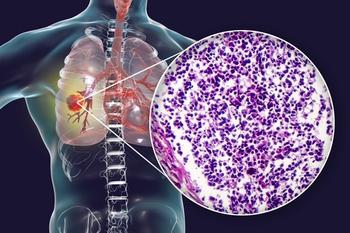
The long-term follow-up data, according to one of the study’s authors from the Sarah Cannon Cancer Institute, demonstrate “a new benchmark for the standard of care” in the treatment of patients with unresectable stage 3 non-small cell lung cancer.

Treatment with aumolertinib was associated with prolonged survival in patients with advanced non-small cell lung cancer.
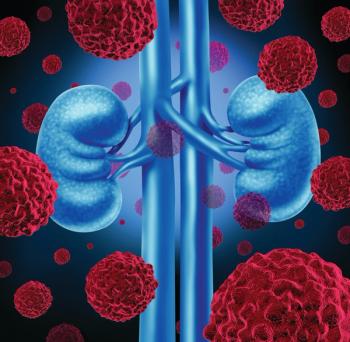
In patients with metastatic renal cell carcinoma whose disease failed to respond to two prior therapies, Fotivda, compared with Nexavar, contributed to a duration of response of 20.3 months versus 9 months.
Treatment with a novel combination therapy was associated with increased efficacy among patients with aggressive relapsed or refractory B-cell non-Hodgkin lymphoma and was also well tolerated.

Although recent data show how promising a single-infusion of a specific CAR-T cell therapy may be for patients with acute lymphoblastic leukemia, an expert from the Moffitt Cancer Center notes that more research is needed for those deemed too ill to receive the treatment.

More than half of patients with previously treated advanced colorectal cancer who were treated with Lenvima and Keytruda were alive at six months while maintaining a manageable safety profile.

Treatment with the combination of Polivy, rituximab and lenalidomide safely conferred responses in patients with relapsed/refractory diffuse large B-cell lymphoma, with most patients still in remission at the study’s cutoff date.

Patients with nonmetastatic castration-resistant prostate cancer continued to tolerate long-term treatment with Nubeqa, allowing them to maintain their quality of life and remain on therapy.

A single infusion of a novel CAR-T cell therapy was associated with early and deep responses to treatment among a certain group of patients with multiple myeloma.

Lifileucel with Keytruda may lead to an improved overall response rate of 86% for patients with advanced melanoma who were pre-checkpoint inhibitor naïve compared with those treated with Keytruda alone.

Findings demonstrated that Gavreto could clinically benefit those with RET fusion-positive non-small cell lung cancer, including those who are treatment naïve.

Progression-free survival improved with Zejula compared with placebo in patients with BRCA-mutated ovarian cancer with no new safety signals.
The data, according to one of the study’s authors, are critical in understanding the disparities in prostate cancer.

Adding Opdivo to treatment with Yervoy or chemotherapy improved survival, compared with chemotherapy alone in patients with unresectable and advanced esophageal cancer.

Some patients with early HER2-negative breast cancer at high risk for disease recurrence achieved meaningful benefit with Lynparza after receiving standard of care therapies, such as surgery or chemotherapy.

The addition of a novel drug to the chemotherapies gemcitabine and cisplatin significantly improved a survival outcome in patients with a rare form of head and neck cancer, compared with chemotherapy alone.

Treatment with chemotherapy following the standard chemoradiation treatment failed to improve multiple survival outcomes in women with locally advanced cervical cancer.

Treatment with Keytruda following surgery was associated with a significant reduction in the risk of disease recurrence or death compared with placebo in patients with clear cell renal cell carcinoma.
The addition of an investigational therapy to standard-of-care treatment was associated with a median overall survival of 15.3 months in patients with progressive PSMA-positive metastatic castration-resistant prostate cancer.

A young cancer survivor describes the difficulty of seeing others in his age group living out their dreams.

From a cancer survivor who cleans up trash and turns it into artwork to the inaugural National Black Family Cancer Awareness week, here’s what’s happening in the cancer landscape this week.
It is important to help people feel more confident as they face many decisions during their cancer journey and provide them with resources to show them that they don’t have to face the disease alone.

Combination therapy with Aliqopa and rituximab improved progression-free survival in patients with relapsed indolent non-Hodgkin lymphoma.

A recent study found that among a substantial proportion of premenopausal women with breast cancer, endocrine therapy decisions and fertility concerns are interwoven.

A patient with metastatic breast cancer describes how the right words can offer hope to patients and the wrong ones can haunt them forever.

In this episode of the “CURE® Talks Cancer” podcast, breast cancer survivor Tomika Bryant discusses her cancer journey, advocacy work and how blogging helped her get through treatment.