







A cancer survivor laments the difficulty of dealing with the pandemic and discusses one possible solution.
A cancer survivor laments the difficulty of dealing with the pandemic and discusses one possible solution.
In this episode of the “CURE® Talks Cancer” podcast, we spoke with a patient who was blindsided by her stage 3 ovarian cancer diagnosis several years ago. We talk about how she spent months going from specialist to specialist before finally receiving her diagnosis, and why she dedicates much of her time to advocating for others.

To honor World Cancer Day 2021, CURE® has rounded up some of the most important 2021 cancer statistics to educate and inform.
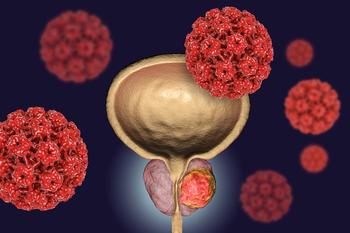
Patients with prostate cancer experienced no significant difference in quality of life when treated with two different types of radiation regimens, recent research has found.

The Food and Drug Administration has granted an accelerated approval to Tepmetko for the treatment of adults with metastatic non-small cell lung cancer (NSCLC) whose disease harbors mesenchymal-epithelial transition (MET) exon 14 skipping alterations.

A major diagnosis often forces us to shift the way we approach our lives, even once we’ve survived. So, what does it look like to chart a future having suffered in the past? And, how might we look forward?
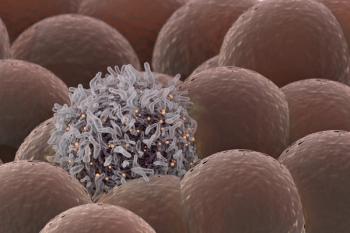
An interim analysis of the PALLAS study showed that adding Ibrance to endocrine therapy, compared to endocrine therapy alone, after initial treatment ended for patients with HR-positive, HER2-negative, early-stage breast cancer did not extend the length of time before a patient’s disease recurred.

Treatment with sotorasib induced a 6.8-month median progression-free survival in patients with KRAS G12C–mutated advanced non-small cell lung cancer.
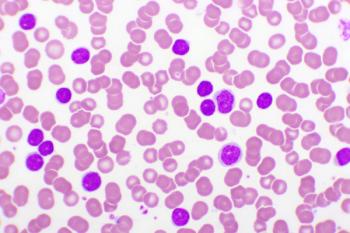
Onureg, an oral form of the chemotherapy azacitidine, in older patients with acute myeloid leukemia who were in remission after chemotherapy contributed to longer survival outcomes, compared to placebo.

Recent study results demonstrated that an at-home prehabilitation program may improve surgical outcomes in patients with lung cancer.

Looking at the small things we may miss or take for granted can help us appreciate the changes that come along with a cancer diagnosis and how to weather the bad times.

A survey conducted by the LUNGevity Foundation determined that 96% of patients with lung cancer felt that they were concerned about the COVID-19 pandemic affecting their treatment.

New study results demonstrate that patients with lung cancer have experienced more worries and general distress during the COVID-19 pandemic compared to other patients with cancer.

Each month, we take a look back at the most popular CURE® stories. Here are the top five stories for January 2021.

Dustin Diamond, known best for his role as “Screech” in “Saved by the Bell,” has died after receiving a stage 4 lung cancer diagnosis a few weeks ago.

On social media, CURE® recently asked its readers to share the best advice they’ve received during their cancer journey.

Overdue reminders are often reminders of where we are on the cancer journey.

Despite offering an increased number of services to patients, the decrease in funding as a result of the pandemic has put a strain on patient advocacy and support organizations around the world, leaving many, particularly those that specialize in the support of patients with lung cancer, in urgent need of financial support to continue to meet the increased need.
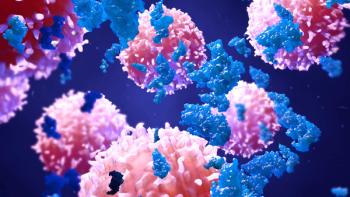
Keytruda monotherapy continued to significantly improve overall and progression-free survival in patients with previously treated, PD-L1–positive advanced non-small cell lung cancer.

A cancer survivor, who is in her 14th year of remission, recalls how image visualization complemented her cancer treatment and suggests the practice may help others.

With winter upon us, a caregiver discusses how the end of life is akin to the cycle of seasons and how hospice does not have to be a challenging hurdle.

Onivyde may offer patients with small cell lung cancer whose disease has progressed after initial chemotherapy a new treatment option, according to updated study results.

Treatment with immuno-oncology therapies induces better responses in younger patients with small cell lung cancer, compared to older patients.

Though there are currently few approved treatments for advanced, pre-treated small cell lung cancer (SCLC), this patient population may have a safe and effective new option in apatinib, according to updated data from a prospective phase 2 study.

Treatment with Opdivo (nivolumab) in combination with the novel therapy BMS-986012 demonstrated a median overall survival of 18.7 months and a median progression-free survival of 2.1 months among a group of patients with relapsed/refractory small cell lung cancer.

Here are 4 tips from a fellow cancer survivor on how to push through the dark COVID-19 winter ahead.

From a urologist with a terminal cancer diagnosis receiving tickets to the 2021 Super Bowl to see his favorite quarterback Tom Brady compete for a seventh championship, to Indiana Pacers guard Caris LeVert undergoing surgery for renal cell carcinoma, here’s what’s happening in the cancer landscape this week.

In a survey conducted by the Cancer Support Community, 33% of patients with lung cancer reported they were somewhat or not at all involved in the decision-making process, and 66% were not as knowledgeable about their treatment options as needed to make this decision.

Biomarkers play an important role in treatment decisions of many tumors, but in lung cancer they are a deciding factor between which immunotherapy is the best option.

The FDA’s fast track designation for toripalimab to treat patients with mucosal melanoma may lead to an accelerated approval of the novel therapy.