


It's easy to accept certain challenging side effects from the cancer journey as a "new normal", something you can't shake no matter what. But even with cancer fatigue feeling insurmountable, there are ways to handle it.
It's easy to accept certain challenging side effects from the cancer journey as a "new normal", something you can't shake no matter what. But even with cancer fatigue feeling insurmountable, there are ways to handle it.

From U.S. Supreme Court Justice Ruth Bader Ginsburg being released from the hospital after an infection related to treatment for pancreatic tumor to Alex Trebek giving an update on the treatment of his stage 4 pancreatic cancer just days ahead of his 80th birthday, here’s what’s making the headlines in the cancer space this week.

In both diagnosis and treatment of cancer, there is a growing role for radiation drugs that are injected, ingested or inserted.

When it comes to hepatocellular carcinoma (HCC), doctors have a handful of treatment options at their disposal. But how do they decide what’s best?
A survivor of male breast cancer goes through what he wishes he knew before a breast cancer diagnosis.
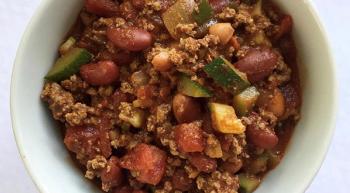
CURE®’s summer recipe series continues with a simple three bean vegetable chili recipe that's loaded with protein and fiber.

The manufacturer is working with the Food and Drug Administration to address any requests including changes to the protocol of the MELANI-01 trial to enhance patient safety.
Channeling the fear of unwanted change into the hard-fought promise of a transformed life.

The Food and Drug Administration’s Oncologic Drugs Advisory Committee voted in favor of the agency approving belantamab mafodotin to treat patients with relapsed or refractory multiple myeloma who have previously received at least four therapies.

The Food and Drug Administration in May approved 7 therapies to treat patients with non-small cell lung cancer. And although one expert notes that few are considered “practice changing”, patients should not be disheartened considering there have been so many advancements in the treatment of the disease.
The Multiple Myeloma Research Foundation’s newly launched CureCloud is a registry designed to collect clinical and genomic information about patients. Its goals are to help researchers discover treatments for various subtypes of the disease and let patients know whether they have any of 70 genetic aberrations associated with myeloma.

Dr. Pat Basu, president and CEO of Cancer Treatment Centers of America discusses the fear surrounding cancer screenings during the COVID-19 pandemic and finding the right balance between what is an essential visit and what can be done using telemedicine.
Plucking a fat and juicy blueberry from a new mastectomy bra reminded this breast cancer survivor that life can still be sweet.

Although the study failed to meet its goal of progression-free survival, overall survival data are currently not yet available, and follow-up will continue until the next planned analysis.

Most of the data from the recent approvals of several non-small cell lung cancer drugs don’t distinguish themselves regarding efficacy or safety to what was already available before the flurry of approvals in May, according to Dr. Timothy Burns.

Ten percent of women who received a hysterectomy and salpingectomy, or removal of the fallopian tubes, during the study period had a family history of breast or ovarian cancer.

A recent data analysis found that most women diagnosed with ovarian cancer (92%) experienced abdominal and pelvic-related symptoms and visited a physician with this complaint anywhere from six to 70 months prior to diagnosis.

“Having new options is important, particularly when patients have already been through chemotherapy and some of the other therapies that are available,” said Dr. John P. Leonard.
From cancer to COVID-19, our patient stories can help others take sickness and disease seriously.
From a new trial in Canada looking at therapeutics to help prevent severe symptoms of COVID-19 in patients with cancer to updated guidelines from the American Cancer Society on taking the HPV vaccine to prevent certain cancers, here’s what’s making the headlines in the cancer space this week.
Data from a phase 2 study presented during the 2020 ASCO Virtual Scientific Program demonstrated that Avastin (bevacizumab) in combination with Tarceva (erlotinib) was well tolerated and produced encouraging clinical outcomes in patients with advanced hereditary leiomyomatosis and renal cell carcinoma or sporadic papillary renal cell carcinoma.
Data from a phase 3 study presented at the 2020 ASCO Virtual Scientific Program showed that treatment with savolitinib demonstrated encouraging efficacy and an improved safety over standard-of-care Sutent (sunitinib) in patients with MET-driven papillary renal cell carcinoma.

Researchers indicate that the current data suggest that race does not have a negative prognostic effect in patients with castration-resistant prostate cancer with bone metastases.
With the passing of CURE co-founder Kathy LaTour, one contributor remembers the advice, friendship and kindness that Kathy passed on to her that helped her to share her own cancer story.

Tired of throwing out overripe, brown bananas? This simple and delicious recipe for banana oatmeal muffins from the oncology dietitians at the John Theurer Cancer Center will put them to good use.

“We're not going to turn our back on our cancer patients, we're not going to make it a choice between COVID and cancer, but rather we're going to make it and we have to treat both,” said Dr. Pat Basu, President and CEO of Cancer Treatment Centers of America.
The DONNA Foundation announced today that DONNA Marathon Weekend and the Fearless Series, encompassing all signature DONNA events, will be presented in a virtual format through spring of 2021.
The risk for a major cardiovascular event was reduced by more than half in patients who received Relumina compared to the hormone associated therapy leuprolide.
A roundup of the latest news and updates for patients with Renal Cell Carcinoma from CURE®.
One cancer survivor looks at all the ways they might have gotten cancer, and wonders if any of those risk factors will factor into recurrence.