



Vitamin D is vital for anyone, but for people with cancer it can be especially vital even during social distancing rules.
Vitamin D is vital for anyone, but for people with cancer it can be especially vital even during social distancing rules.

The Food and Drug Administration recently approved the combination of Lynparza (olaparib) and Avastin (bevacizumab) for patients with advanced ovarian cancer that carries a specific mutation and has responded to previous treatment with platinum-based chemotherapy plus Avastin. Here’s what you need to know.
The Food and Drug Administration continues to approve cancer therapies amid the COVID-19 pandemic. Here are five approvals that patients with cancer may have missed.
It's not just time spent sitting in the lobby. Waiting is a way of life for people with cancer.
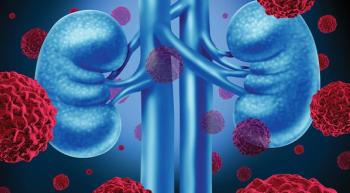
Dr. Brian Rini discussed the benefits of treating patients with relapsed or refractory renal cell carcinoma with the vascular endothelial growth factor tyrosine kinase inhibitor.

The Food and Drug Administration gave the green light to the PARP inhibitor Lynparza for men with metastatic castration-resistant prostate cancer that has a defective DNA-repair process and has progressed after treatment with the novel hormone-controlling drugs Xtandi (enzalutamide) or Zytiga (abiraterone acetate).
The Food and Drug Administration’s recent approval of Zejula is different from previous approvals as it is indicated for all patients with advanced epithelial ovarian, fallopian tube or primary peritoneal cancer, according to a gynecologic oncology expert.
Do parts of being in a pandemic feel familiar to you? Yet you have never been in one before? One cancer survivor suggests that's because those who have been on the cancer journey have experienced this before.
Tecentriq is approved as an initial treatment for non-small cell lung cancer that has spread and expresses the protein PD-L1 but does not have alterations in the EGFR or ALK genes.
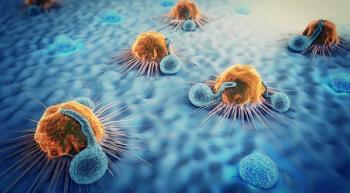
Precision medicine is improving outcomes for aggressive types of lymphomas, such as mantle cell lymphoma.
COVID-19 has dramatically altered the lives of millions across the globe, but for patients with cancer, the new restrictions and new challenges are ones they have already managed to handle.
Cancer changes us, and often we find new parts of ourselves that help us accomplish new goals in the face of adversity and tragedy.

Cancer changes one’s life in ways both big and small. One, in particular, is how it changes one's relationship with food. So, CURE asked its audience how cancer changed their relationship with food and how they handle nutrition moving forward.
A breast cancer survivor celebrates her 10-year "cancerversary" during the global pandemic and finds ways to feel grateful.
The targeted drug Qinlock, which interferes with the activity of proteins that drive gastrointestinal stromal tumor, has been approved by the Food and Drug Administration for patients with advanced disease that has progressed despite treatment with other kinase inhibitors.

Velcade not only delays the progression of mantle cell lymphoma when given after stem cell transplant but also prolongs survival. However, the treatment comes with significant side effects.
The Food and Drug Administration has approved the combination of Opdivo-Yervoy immunotherapy for the first-line treatment of patients with metastatic non-small cell lung cancer that do not have certain genomic tumor aberrations.
The PARP inhibitor Rubraca represents a new treatment option for men with metastatic castration-resistant prostate cancer that expresses a BRCA gene mutation and has been previously treated with hormonal therapy and taxane-based chemotherapy.
Fatigue is something that everyone has experience with, but the fatigue of cancer is something unique that only patients and survivors understand and try to cope with.

From influential musician Little Richard passing away due to bone cancer to a dramatic drop in new cancer diagnoses as screenings have been postponed as a result of COVID-19, here are all the major updates happening in the cancer space this week.
The Food and Drug Administration approved the first new treatment option for Kaposi sarcoma in more than 20 years.
It is hard enough dealing with cancer as a survivor, but what happens when one of your parents is diagnosed with cancer too?

Researchers showed that integration of a comprehensive geriatric assessment with geriatrician-led management care improved quality of life for older adults with cancer.

“It’s never too late to quit smoking,” is the primary message of a new study that shows those who quit smoking have a survival benefit prior to a lung cancer diagnosis.   

“The intervention described in this abstract is important in that it provides clear and concrete activities — videoconference and coaching — caregivers can participate in to decrease anxiety and stress,” according to one expert.

Treatment with Lynparza in the maintenance setting extended overall survival by more than a year in women with platinum-sensitive relapsed ovarian cancer with BRCA1/2 mutations.

The Affordable Care Act allowed states to extend Medicaid coverage to more residents with low incomes or disabilities. Cancer death rates took a bigger dive in the states that utilized this provision, a nationwide study found.
Celebrating the five year cancer-free mark for one survivor amid the COVID-19 pandemic makes it all the more important.
Undertaking the cancer journey is a daunting task with its own challenges and tough questions to face, but that doesn't mean you have to do it alone.

In the first installment of CURE®’s inaugural webinar series, “Hear from the Experts: COVID-19 & Cancer Care for Patients,” Dr. Farukh Awan addressed concerns about the possibility of developing COVID-19 or any infection after a stem cell transplant to treat a blood cancer.