



According to results from a recent trial, patients with heavily pretreated lung cancer showed a durable response and clinical benefit with durvalumab.
According to results from a recent trial, patients with heavily pretreated lung cancer showed a durable response and clinical benefit with durvalumab.

A subset of patients with breast cancer saw an increase in progression-free survival with the addition of Afinitor to Faslodex.

Growing scientific insights have led to the swift development of treatments for advanced melanoma, leaving doctors to iron out details about their application.
The role of immunotherapies and targeted treatments in lung cancer is evolving at breakneck speed.

Keytruda improved quality of life for patients with lung cancer in a recent trial.
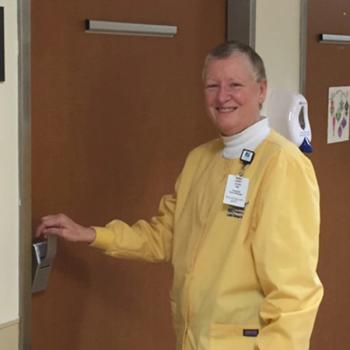
Janet Jones' life changed drastically when she went from oncology nurse to patient with breast cancer.
What happens after the surgeries, chemotherapy and radiation are done?

The 21st Century Cures Act passed in both the House and the Senate, and is on its way to President Obama. However, it will not be met without opposition from some patient groups.

Adding veliparib to a chemotherapy regimen increased response rates for patients with BRCA-positive breast cancer.

Ropeginterferon alfa-2b is noninferior to hydroxyurea (HU) when it comes to complete hematologic response to treat PV.
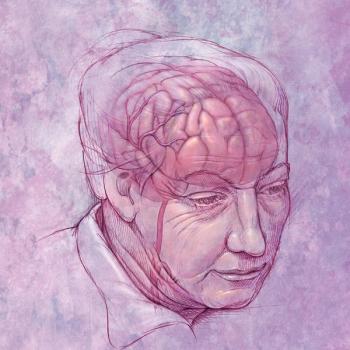
Icotinib greatly improved intracranial progression-free survival for patients with lung cancer who have brain metastases, according to a recent study.

The FDA expanded Avastin's approval to include patients with platinum-sensitive ovarian cancer.
What is the appropriate reaction when a friend is diagnosed with cancer? Should you be sympathetic, optimistic, questioning? How do you handle your own fears—those you feel for your friend and, particularly as you grow older, those that evoke the possibility of personal loss and even the reality of your own vulnerability?
After months and months of fighting to have the medical equipment prescribed by my oncologist, my persistence paid off.
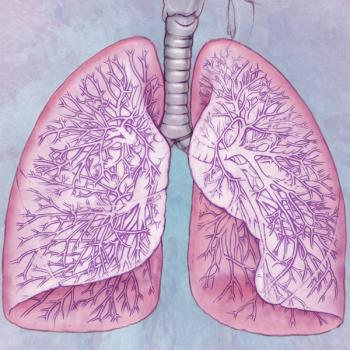
While Opdivo showed improved overall survival, there may be a survival risk within the first few months of taking it, according to recently presented data.

Recent studies found that for certain patients with CML, it is possible to safely reduce or stop TKI treatment.

Early results showed that avelumab may be a promising option for the treatment of patients with advanced lung cancer.

Patients and providers shared inspiring stories of hope, as well as some tips for better living at the Seventh Annual Ruesch Center Symposium: Fighting a Smarter War on Cancer.
Breast cancer often forges unlikely friendships via internet connections.

A rock band made up of gynecologic oncologists is connecting with patients and their fans through rock music.

The Internet is abundant with ads for cancer cures that seem too good to be true. How should patients and consumers navigate this overflow of information?

A new combination, including the immunotherapy agent Keytruda, was shown to be highly effective in treating a subset of patients with myeloma.

A recent study found that the preferred way to hear cancer stories and connect with other patients is via online forums.

CTL019, a CAR T-cell therapy, had a high response rate for young patients with relapsed/refractory ALL in a recent phase 2 study.
It is impossible for this patient to thank just one nurse as the third year in treatment gets underway.

Immunotherapy combinations are on the horizon for the treatment of renal cell carcinoma, Robert J. Motzer, M.D., says.
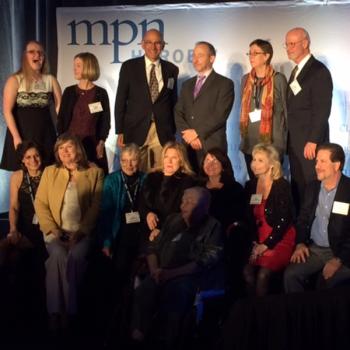
Eight individuals were honored for their dedication to MPN at the 2016 MPN Heroes™ celebration.
A novel agent showed a 78 percent response rate for patients with relapsed/refractory multiple myeloma, according to a recent phase 1 study.

Melanoma should not be considered to be in a "special category" that responds well to immunotherapy, according to Christian M. Capitini, M.D., assistant professor of Pediatrics at the University of Wisconsin.