








Enhertu with Perjeta nearly doubled progression-free survival versus standard treatment in metastatic HER2-positive breast cancer, study shows.
Enhertu with Perjeta nearly doubled progression-free survival versus standard treatment in metastatic HER2-positive breast cancer, study shows.
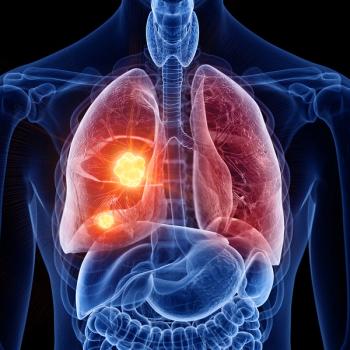
Dr. Suresh Ramalingam discusses how Tagrisso has ushered in a new era of care for patients with advanced EGFR+ non-small cell lung cancer.

I survived breast cancer and medical trauma, but the road was brutal. Fifteen years later, I’m alive, scarred and still searching for peace.

Dr. Mabel Mardones educates patients on breast cancer subtypes, as well as treatment options for those with ER-positive, HER2-negative disease.
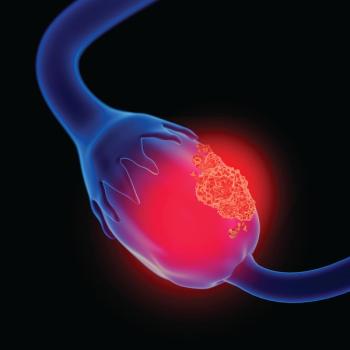
The FDA grants fast track designation to PHST001, an antibody targeting CD24, for advanced platinum-resistant and platinum-sensitive ovarian cancer.

The VERIFY trial explores rusfertide to manage polycythemia vera without causing iron deficiency symptoms, Dr. Aaron Gerds explained.

Five years after my transplant for leukemia, I’m learning to focus on gratitude despite daily struggles, remembering that being alive is the greatest gift.

Michelle Kirschner discusses the how patients can foster a strong network of supporters from diagnosis through survivorship.

Natalie Schnaitmann discusses the importance of self-advocacy and access to second opinions when symptoms are dismissed among young women with cancer.

When it comes to living with cancer, your nurses make a difference.
The antibody-drug conjugate zilovertamab vedotin plus Rituxan and chemotherapy showed an objective response rate of 56.3% in relapsed/refractory DLBCL.
The first patient has been dosed in the phase 3 TERZO trial of Copiktra for relapsed or refractory nodal T-follicular helper cell lymphoma.
It is important to understand why it is vital that patients and survivors of cancer take steps to reduce the body’s burden both before and after treatment.
Dr. Jared Weiss walks patients through the therapeutic potential viability of intratumoral therapies among those with lung cancer.
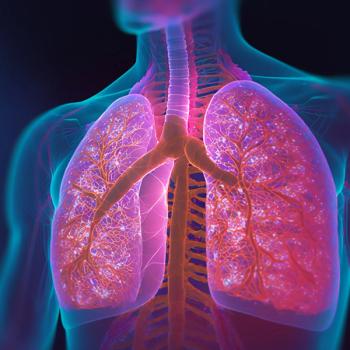
Using a 14-gene test to guide chemotherapy significantly improved disease-free survival in patients with early nonsquamous lung cancer.

How artificial intelligence is being used to augment the work of experts treating patients with prostate cancer.
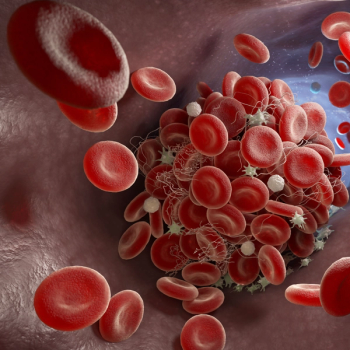
The dual-targeting CAR T-cell therapy KITE-363 showed positive response rates and manageable side effects in relapsed or refractory B-cell lymphoma.

Adding Zyprexa to ondansetron cut nausea and vomiting safely in abdominal/pelvic radiation with low-emetogenic capecitabine.

Adding subcutaneous sasanlimab to BCG improved recurrence-free survival in non–muscle-invasive bladder cancer, according to Dr. Petros Grivas.
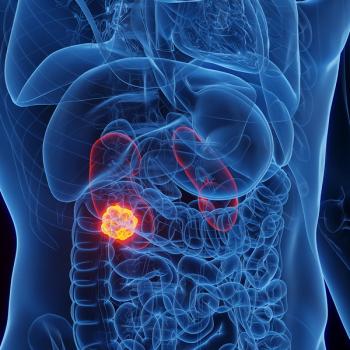
CURE spoke with the principal investigator of a clinical trial evaluating a therapeutic vaccine for patients with advanced kidney cancer.

I describe what it is like to have an “invisible” cancer.

The FDA granted orphan drug designation to MVdeltaC, a measles virus-based immunotherapy, for pleural mesothelioma, supporting its future development.
Patients with oligometastatic lung cancer may live longer with surgery, but experts stress the need for multidisciplinary evaluation to guide treatment choices.
Katherine has an exquisite instinct for understanding that there is a context to each patient’s diagnosis that is just as important to understand.
Natalie Schnaitmann discusses urgent supportive care gaps younger women with cancer encounter, and how they affect long-term quality of life.
Here is a recap of every FDA approval announced by the regulatory agency in the month of May, spanning various cancer types.

I reflect on finding peace, purpose and presence after my diagnosis through a creative writing exercise rooted in mindfulness and metaphor.

Columvi plus chemo had enhanced survival outcomes vs Rituxan plus chemo in patients with relapsed/refractory diffuse large B-cell lymphoma.
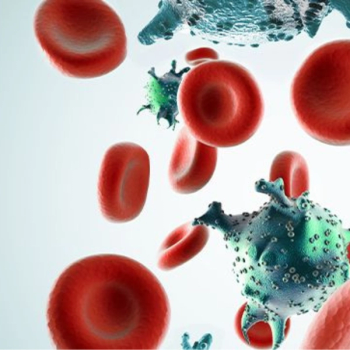
Iopofosine-131 received FDA breakthrough status for relapsed or refractory Waldenstrom macroglobulinemia, showing strong response rates in early trials.
Higher radiation doses in lung cancer treatment carry no added risk of inflammation and may improve survival.