



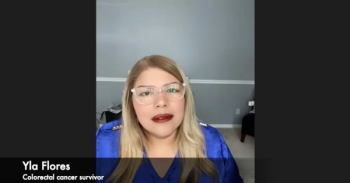
After not knowing quite what to expect from her first chemotherapy treatment, colorectal cancer survivor Yla Flores describes the pain she felt in her heart after seeing other patients in worse conditions.
After not knowing quite what to expect from her first chemotherapy treatment, colorectal cancer survivor Yla Flores describes the pain she felt in her heart after seeing other patients in worse conditions.

A phase 3 trial has begun to examine entospletinib, a selective inhibitor, as a treatment for patients with newly diagnosed NPM1-mutated acute myeloid leukemia.

Sexual dysfunction may often happen after prostate cancer treatment, and the results of one study shown that an online program for both the patient and their partner may help in this aspect of recovery.
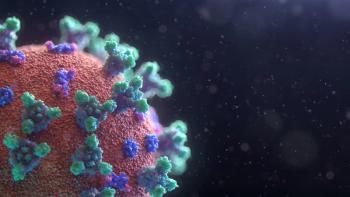
The National Comprehensive Cancer Network now recommends prophylactic monoclonal antibodies for immunosuppressed individuals, such as certain patients with cancer.

A cancer survivor explains how she was able to intimately reconnect with her spouse after cancer caused their love life to fizzle for many years.

In an interim analysis from a phase 3 trial of Keytruda, the use of the immunotherapy drug was associated with significantly improved disease-free survival in patients with non-small cell lung cancer.

From mouth sores to cold sensitivities as well as a continued taste of chemicals, cancer survivors recently shared some of the more unexpected side effects they experienced during and after treatment.

A phase 2 trial was recently launched to examine the safety and efficacy of oral inhibitor VK-2019 in patients with advanced Epstein-Barr Virus-positive nasopharyngeal carcinoma, a rare type of head and neck cancer, and lymphoma.

Patients with melanoma who consumed a high-fiber diet may have a better response to immunotherapy, although the benefit was not as great if the fiber was obtained via probiotic supplements.

A cancer survivor offers tips on dealing with the mental gymnastics of wondering whether his COVID-19 vaccine will work against the omicron variant and how more isolation will affect his mental state.

A woman living with stage 4 cancer explains her painful experience with dental issues that came as a result of cancer treatment.

The Food and Drug Administration is expected to decide on whether to approve certain cancer regimens within the first few months of the year. Here’s what patients with cancer should know.

A cancer survivor explains her approach to New Year’s resolutions and how she plans to make her health a priority.

A mother describes how her daughter formed an unlikely friendship with one of her chemo nurses after her treatment ended.

Treatment with Calquence resulted in fewer toxicities, including atrial fibrillation, flutter and hypertension, in patients with previously treated chronic lymphocytic leukemia, compared with Imbruvica treatment, according to findings from the analysis of a phase 3 trial.

Cancer survivors may experience psychological side effects of cancer and can benefit from stress management interventions, although these in-person services are often limited.

A breast cancer survivor describes a project she participated in — the Dear Body Project — to thank her body for all that it has endured.

From former Boston Red Sox pitcher Jim Corsi’s death after cancer to how “Sweet Valley High” actress Brittany Daniel’s unique experience after cancer caused pregnancy difficulties, here’s what’s happening in the cancer landscape this week.
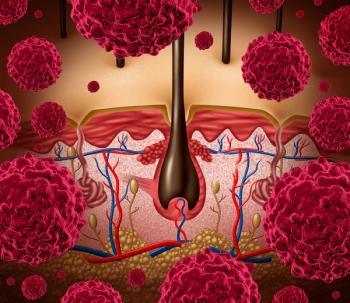
Relatlimab plus Opdivo improved progression-free survival in patients with untreated, advanced melanoma, and tended to have fewer side effects than other regimens used in this patient population.

Certain allergy medications like Zyrtec and Claritin may be the key for more patients to tolerate immunotherapy for several cancer types.

“It is frequently said that the best screening test is the one patients are willing to complete,” a researcher said. However, some experts note that colonoscopies are the gold standard for detecting and confirming colorectal cancer.

A pancreatic cancer survivor explains how he learned to live after cancer and reflects on lessons learned from the book, “Tuesdays with Morrie.”
In this episode of the “Cancer Horizons” podcast, an expert unpacks cancer risks for individuals with Down syndrome and analyzes the results of a recent study about mortality risks for childhood survivors later in life.
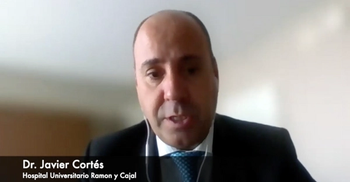
An expert discusses improvements in survival outcomes for patients with triple-negative breast cancer who received Keytruda plus chemotherapy — now considered the standard of care — but urges that more researched is always needed for this patient population.
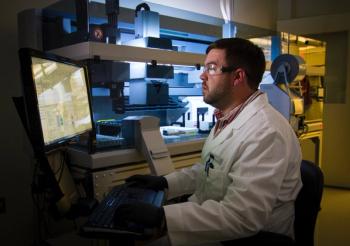
The phase 3 COMPOSE trial will look at the efficacy of using 177lu-edotreotide — a novel radiopharmaceutical that is designed to limit radiation exposure to normal tissue — in patients with later stage neuroendocrine tumors.

Premenopausal women with ER-positive breast cancer experienced a decreased rate of recurrence when given an aromatase inhibitor, compared with those given tamoxifen. However, more research is still needed, an expert said.

After a challenging year due to COVID-19 and rising blood test numbers, a woman living with ovarian cancer shares on what she’s learned and how she’s approaching 2022.
An expert from the Mayo Clinic explained that the use of a combination of drugs including Darzalex in the first-line setting may lead to better outcomes for patients with multiple myeloma instead of other first-line standard-of-care options.
The recent FDA approval of Keytruda, an immunotherapy monoclonal antibody drug, for children with melanoma is an exciting development, according to an expert. But there is potential for certain side effects that children and their family should consider before undergoing treatment.
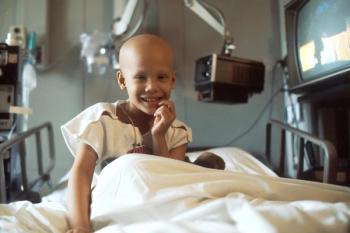
From long-term effects of pediatric cancer to a survivor fulfilling her dream of being an astronaut, CURE® looked back on its most-read childhood cancer stories of the year.