





A patient with metastatic breast cancer reflects on the difficulties she faced in 2021 and why a shipwreck is the perfect metaphor for her year.
A patient with metastatic breast cancer reflects on the difficulties she faced in 2021 and why a shipwreck is the perfect metaphor for her year.

The use of pyrotinib — an experimental drug — plus the chemotherapy capecitabine extended survival compared with Tykerb and capecitabine among patients with pretreated HER2-positive metastatic breast cancer.

From the death of Nick Cannon’s five-month-old son due to brain cancer to the late-stage diagnosis of Kansas City reporter Matt Stewart’s wife, here’s what’s happening in the cancer landscape this week.

Early-phase study results showed that treatment with a novel drug elicits promising outcomes in patients with advanced or metastatic triple-negative breast cancer.
Clinical trial results show that adding Keytruda to chemotherapy prior to surgery for triple-negative breast cancer can improve outcomes and hopefully “increase the chances for patients to be cured,” according to an expert.

Treatment modifications in the pre-surgery setting led to a lower rate of pathologic complete response in Black patients with breast cancer, the researchers found.

Oftentimes the warmest holiday moments can remind cancer survivors of how much their paths have been derailed, a survivor explains.

On this episode of the “Cancer Horizons” podcast, a woman with multiple myeloma shares how she made the best of her cancer treatment process by channeling her emotions through fashion expression.

The addition of Ibrance to endocrine therapy was not associated with preventing disease recurrence in patients with hormone receptor (HR)–positive, human epidermal growth factor receptor 2 (HER2)–negative early breast cancer, according to final results of the phase 3 PALLAS trial.

Amma was developed by a cancer survivor who wanted an easier — and cheaper — way for patients to preserve their hair during chemotherapy treatment.

CURE®’s second episode of its cooking show, Heal at Home, is here! And this time, we are bringing cancer survivors, patients and their loved ones the nutrition with a dash of holiday cheer.

Each time a new COVID-19 variant takes the world by storm, cancer survivors struggle to cope with the resulting exhaustion and fear, one survivor explains.

Researchers hypothesized that metformin — a medication that helps lower insulin levels in patients with diabetes and is associated with inducing weight loss — might improve breast cancer outcomes.

The use of elacestrant, an investigational therapy, elicited a 30% reduction in the risk of disease progression or death compared with standard of care in a group of patients with estrogen receptor (ER)–positive, HER2-negative metastatic breast cancer.

Ibrance plus Faslodex improved progression-free survival in certain patients with metastatic breast cancer, compared with those who continued to receive an aromatase inhibitor.

Frail patients older than 70 years who underwent geriatric assessment and received pertinent advice related to those results were more likely to have high-quality conversations with their oncologists about age-related concerns like physical activity and cognition.

An ovarian cancer survivor describes the changes her body endured after treatment and explains why she chooses to laugh at them.

Black race is associated with a 3.5-fold increased incidence of lymphedema in women with breast cancer treated with axillary lymph node dissection and radiotherapy, according to recent data.

CURE’s Metastatic Breast Cancer Heroes™ Award Program expresses gratitude to the heroes who impact the lives of patients with metastatic breast cancer.

Hennessy, 61, founded MJH Life Sciences, the publisher of CURE Magazine, more than 20 years ago.

Treatment-free survival with Opdivo and Yervoy was more than twice as long when compared with Sutent alone in patients with kidney cancer.

A mother of a young breast cancer survivor shares the letter she wrote to Santa explaining her only Christmas wish.

Patients who understand their roles and responsibilities may better help their care teams understand what they may be at risk for in their cancer survivorship.
People who have successfully navigated difficult times in the past may be able to use those previous coping strategies to help them weather new stress related to a cancer diagnosis, treatment or survivorship, according to an expert from the George Washington University Cancer Center.

A male breast cancer survivor takes a critical look at the confusing marketing campaigns that surround his disease.

A cancer survivor describes an inspiring close friend who has been dealing with cancer for 13 years and refuses to give up.

A cancer survivor explains how her most prized possession went from being a faux fur coat to the slip of paper that reads, “No cancer detected.”

A woman explains how her close friend achieved remission from stage 4 lung cancer after being treated by Dr. Bret Friday – a superhero in her book.
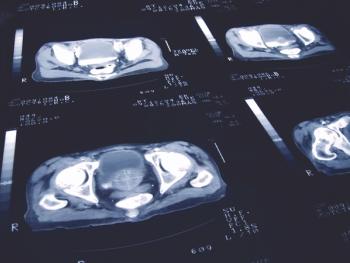
The pharmaceutical company announced preliminary results on a phase 3 trial, which demonstrated that Nubeqa with docetaxel and androgen deprivation therapy may improve overall survival in men with metastatic hormone-sensitive prostate cancer.

Cancerversaries can stir up difficult emotions for many cancer survivors. One pancreatic cancer survivor offers advice on how to cope with these feelings.