



A cancer survivor recalls how a book quote about a blizzard became a metaphor for her own experiences with cancer.
A cancer survivor recalls how a book quote about a blizzard became a metaphor for her own experiences with cancer.

Patients with cancer should receive whichever COVID-19 vaccine is made available to them as the benefits far outweigh the risks, according to an expert from Memorial Sloan Kettering Cancer Center.

Factors including progression-free survival, duration of response and overall survival were promising at 15 months in patients with relapsed/refractory mantle cell lymphoma.

A significant number of patient records in large cancer registries are missing data, which can have an impact on real-world data studies.

There is some low-level evidence that suggests medical marijuana or cannabinoids may reduce chemotherapy-related side effects in patients with cancer, according to data presented at a recent medical conference. However, experts note more research is needed to build on those findings.

A cancer survivor recalls how he never considered a bucket list until his diagnosis in 2014. And although he knows he can’t afford to buy a Ferrari and cruise through the Alps, he’s OK with changing course and going with something much smaller.

Members of an FDA committee recently voted in favor of upholding Keytruda’s accelerated approval indication for the treatment of patients with advanced hepatocellular carcinoma who had previously received treatment with Nexavar. However, the committee narrowly voted against maintaining Opdivo’s accelerated approval in the same patient population.

The Philadelphia-based cancer center has enrolled patients who receive port insertions in MyCareCompass, a new program that organizes patient information and provides educational content to help patients understand their treatment.
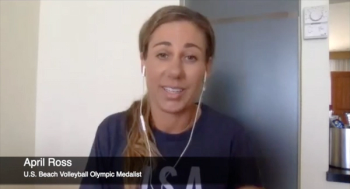
Olympic volleyball player, April Ross, explained in an interview with CURE® that seeing her mother’s dedication to her family, despite her diagnosis, helped put things into perspective and taught her what is truly important in life.

On social media, CURE® recently asked its readers to share what must-haves they bring with them on days they receive treatment for cancer.

A seven-year cancer survivor writes how the disease is a delicate balancing act and how secondary illnesses can fuel the cancer fire.

We all handle things differently, look at things differently and understand differently, meaning that the journey of each patient with cancer is unique. But there are always similarities among the symptoms, risks and treatments.
Each month, we take a look back at the most popular CURE® stories. Here are the top five stories for April 2021.

A caregiver notes how honesty is the best policy when taking care of someone with cancer. She also discusses how she’s grateful that her daughter’s cancer experience happened before the COVID-19 pandemic so she could be there for her.

Clinical trials are often the key to advancements in treating ovarian cancer. As part of its “Speaking Out” video series, CURE® spoke with Dr. Debra Richardson about what patients should know about joining a trial.

Summer poses challenges for those who have undergone mastectomy. Learn how one breast cancer survivor found a way to embrace breastlessness while still feeling feminine.
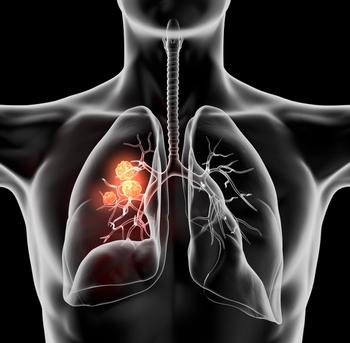
Over the past few years, lung cancer has changed significantly with improving outcomes, particularly attributable to immunotherapy, but how do we continue that trend?

As part of the “Speaking Out” video series, CURE® spoke with Dr. Laura M. Kulik about the basics of liver cancer, highlighting the need for a multidisciplinary approach to care.

The Food and Drug Administration’s recent approval of Abecma is an extremely significant development for patients with heavily pretreated multiple myeloma, according to an expert from the Dana-Farber Cancer Institute.

Which story – of hope or fear – is the best experience to relate to help another?
View the entire 2021 Extraordinary Healer® Award for Oncology Nursing virtual presentation here!

From a mural of Chadwick Boseman in a Los Angeles children’s hospital to the death of Apollo 11 astronaut Michael Collins, here’s what’s happening in the cancer landscape this week.
CURE Media Group also recognized Jennifer E. Giovanni, Ph.D., MSN, MPH, RN, as winner of the Finest Hour Award, which highlights the dedication and selflessness exhibited in front-line workers during the COVID-19 pandemic.
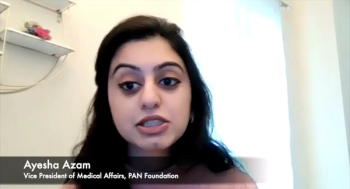
As transportation to treatments is one of the many important aspects patients with cancer must consider after receiving a diagnosis, there is room for improvement in terms of accessibility and affordability, says an expert from the Patient Access Network Foundation.
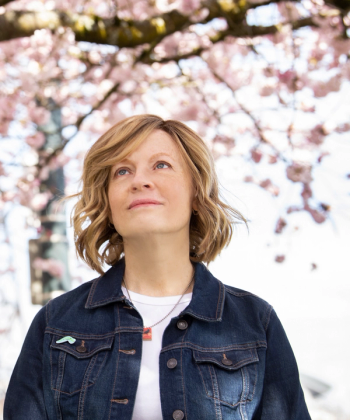
Channeling optimism during your cancer journey isn’t just about living longer — it’s about living better.

A cancer survivor shares a journaling method that he has found to be beneficial to his mental health.
On this episode on the “CURE® Talks Cancer” podcast, we spoke with U.S. beach volleyball Olympic medalist April Ross about how her mother’s experience with metastatic breast cancer gives her the inspiration she needs to pursue her goals and educate others about the disease.
Here is a list of some recent trials that launched within the cancer space in April.

Several factors including female sex, lower socioeconomic status and high intensity surgery were associated with a higher risk of moderate-to-severe symptoms in older adults with cancer following surgery.

The gut microbiome plays an important role in how patients may respond to cancer treatments, and researchers are learning more about ways to alter it to benefit treatment outcomes.