




Finally, I'm experiencing a little less worry on my cancer journey and gaining some freedom from cancer.
Finally, I'm experiencing a little less worry on my cancer journey and gaining some freedom from cancer.

A recent study has found that real acupuncture can not only reduce a patient's cancer pain from various types of cancer, but also reduce their painkiller use.
At 15 years old the Bladder Cancer Advocacy Network looks back and takes a look ahead.

From the largest one-year cancer death rate drop in the US to Supreme Court Justice Ruth Bader Ginsburg announcing she is cancer-free for a fourth time, here’s what is making the headlines in the cancer space this week.

The Food and Drug Administration approved Ayvakit for the treatment of adult patients with unresectable or metastatic gastrointestinal stromal tumor who exhibited a platelet-derived growth factor receptor alpha exon 18 mutation.

Increasing doses, cutting pills and self-tapering of opioids can lead to safety risks for patients with cancer; however, this is an issue that often goes unaddressed.
Cancer survivors need to keep up with the news. However, reading about a new study or risk factor might make us worry about past choices and/or current options, in a way we can't quite control.

In a new study, researchers set out to prove whether or not there was a statistically significant risk of ovarian cancer from the use of talc-based powder.
The Food and Drug Administration approved Keytruda for the treatment of patients with Bacillus Calmette-Guerin–unresponsive, high-risk, non-muscle invasive bladder cancer.

A physician’s social network is important to determining the adoption of high-value cancer drugs, as researchers have determined peer influence had a strong association with the adoption of Avastin among oncologists across the nation.
One cancer survivor discusses the need to talk to others during and after her treatment, and the healing ability of listening as well.

Launched in April 2018, the podcast hosted by Eleanor Griffith of Grey Genetics tells the stories of people living with genetic mutations that predispose them to cancer or other diseases.

Doing a few hours of exercise per week can help prevent kidney, liver, endometrial, colon and breast cancers, as well as multiple myeloma and non-Hodgkin lymphoma, a large study found.
Thoughts on New Year's resolutions and planning for the years ahead when your future is tied up in uncertainty because of cancer.

Researchers interviewed 24 cancer survivors to discuss the psychosocial aspects of hearing loss and why patients must advocate for themselves with this long-term condition sooner.

Concurrent chemoradiotherapy with proton radiation can reduce short-term side effects that caused unplanned hospitalizations, with similar disease-free and overall survival, compared with photon radiation.
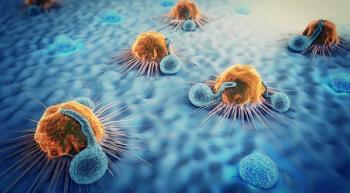
The pivotal phase 3 GRAVITAS-301 study – designed to evaluate itacitinib in combination with corticosteroids in patients with treatment-naïve acute graft-versus-host disease – failed to meet its primary endpoint of improving overall response rates.

Patients with previously untreated locally advanced or metastatic urothelial carcinoma treated with Bavencio and best supportive care as a first-line maintenance therapy experienced significantly longer survival.

Treatment with a CAR-T cell therapy showed promise in patients with mantle cell lymphoma, potentially leading to a new option for a group of individuals who have exhausted other options.
Recurrence isn’t the only long-term complication cancer patients may face but understanding these potential challenges can help you mitigate many problems beforehand.

Researchers found that combining family history and genetic risk scores to determine inherited risk for prostate cancer could personalize screening strategies for men.
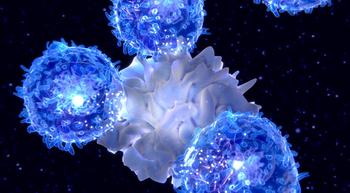
Those with follicular lymphoma and chronic lymphocytic leukemia who were treated with Zydelig in the clinical setting experienced less favorable outcomes, compared with those treated in a clinical trial.
Reflecting on the lessons learned from the trauma of living with a stage four cancer diagnosis.
From Alex Trebek talking chemotherapy for his pancreatic cancer and his final “Jeopardy!” show to the passing of World Series Legend Don Larsen, here’s what is making headlines in the cancer space this week.
This two-time cancer survivor writes to-do lists and weeds out her cancer clutter and home after the New Year, resulting in less physical and mental clutter, and less worry.

A modified citrus pectin, naturally found in the peel of citrus fruits, showed continued benefit among men with prostate cancer.
We remember big events like births, deaths, marriages and holidays, but sometimes it's the little acts of kindness we remember the most.

The American Cancer Society launched a video series to offer support for caregivers to address their questions and concerns throughout their loved one’s cancer journey.

Here is a list of the recent trial initiations that occurred within the cancer space in December.
A breast cancer and melanoma survivor encourages looking forward to the New Year.