


When treatment ends and survivorship begins, how do those with cancer make the transition? In this post, one survivor shares her findings.
When treatment ends and survivorship begins, how do those with cancer make the transition? In this post, one survivor shares her findings.

From a sweet fundraiser for breast cancer to today’s top performers and athletes, here’s what’s making headlines in the cancer space this week.

Collaborative telerehabilitation could help to improve function and pain in patients with advanced-stage cancer experiencing disability.
The National Community Oncology Dispensing Association, Inc. (NCODA) is pleased to announce the addition of Barry D. Brooks, M.D. to their Executive Council. Dr. Brooks joined the Council in April.
How to manage PTSD over the holidays and making the transition from Cancer Fighter to Cancer Survivor.
Susan G. Komen Greater NYC to honor exceptional and inspiring individuals and organizations at its annual Impact Awards May 22, 2019 Cipriani 42nd Street.
Another attempt to help by my friends only brought more work and stress to our home.
Being a caregiver and survivor takes adjusting to the diagnosis of the "C" word. Until there is a cure for cancer, may we all do our best to put one breath and foot in front of another.

A person’s pre-existing mental state may negatively influence their health, but professional support can help maintain the best mindset, say researchers.
Fight Colorectal Cancer (Fight CRC) has collaborated with Flatiron Health to develop a smartphone application for its Late-Stage, MSS-CRC Clinical Trial Finder. The first-of-its-kind app — now available for both iOS and Android — enables patients with late-stage Microsatellite Stable (MSS) colorectal cancer to research relevant clinical trials via their phone.
Which is more important – research or imagination? Maybe they are equally vital in survivorship!
A look at the job world as a cancer survivor.

Menopausal women who take hormonal therapy after surgery for breast cancer may be prone to long-term “chemo brain” – potentially benefitting from cognitive therapy or other interventions.
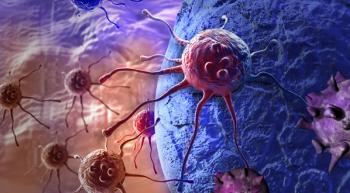
Because of the rarity of a neuroendocrine tumor (NET) diagnosis, the Healing Net Foundation aims to educate physicians on the disease – an initiative many patient advocates feel can improve outcomes.
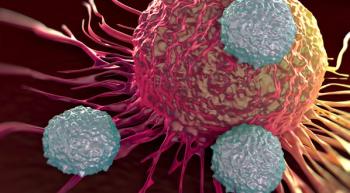
A new analysis of the myMPN Patient Registry has led to some exciting new discoveries, according to researchers.
How a single phone call can change cancer outcomes and improve patient lives.

Although Minority Health Awareness Month is drawing to an end, the fight for equity in healthcare isn’t over.

Evaluations can identify the potential for drug interactions and predict whether older patients are fit for chemotherapy.

The Food and Drug Administration approved Keytruda in combination with Inlyta for the frontline treatment of patients with advanced renal cell carcinoma.
Talking about sex during and after cancer treatment can be tricky. With the issues surrounding cancer in the equation, what is supposed to be unspoken and mystical now requires some good communication.
From Testicular Cancer Awareness Month to a superhero-themed fundraiser, here’s what’s making headlines in the cancer space this week.

Researchers examine genomic mutations with tumor response to Keytruda and Opdivo in patients with GBM, highlighting the potential for a molecular, personalized approach to treat certain patients.
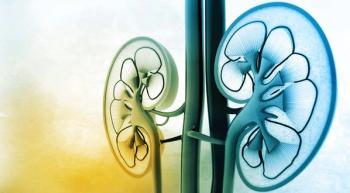
The combination use of Keytruda plus Inlyta significantly improved survival outcomes among patients with previously untreated advanced renal cell carcinoma – the most common type of kidney cancer.
Can a diagnosis of cancer affect a person in a positive way? One survivor seems to think so.
Fans for the Cure is serving as an Advocacy Partner for the Metastatic Prostate Cancer Project (MPCP) — a nationwide genomic research initiative designed for men with advanced or metastatic prostate cancer — and they are working to advance prostate cancer research.

Patients with ovarian cancer tend to underreport their most challenging symptoms; however, an analysis of their online comments could give health care providers insight into how to help.
The PAN Foundation today opened a new patient assistance program for people living with carcinoid syndrome.

The Food and Drug Administration expanded the approval for the first and only companion diagnostic to identify patients with non-small cell lung cancer who would benefit from Keytruda treatment.
Sometimes even a brief encounter with an empathetic medical student can have a powerful effect on a patient.
How can surviving cancer teach us how to endure the discomfort of a common cold and vice versa? Sometimes an ordinary illness can teach us how to vent and exercise self-care beyond self-pity.