

My cancer support group was as important to my cure and healing as my oncologist and surgeon.
My cancer support group was as important to my cure and healing as my oncologist and surgeon.

When mindfulness was first recommended when I was diagnosed with breast cancer in 2004, I scoffed. But now, years later, I know how important a tool it can be.

When I share my story and use my cancer diagnosis to help others, cancer becomes a “club” that’s a little more inviting.
My daughter continues to be there for me throughout my cancer experience, even on my most difficult days.

My major source of support throughout my journey was our local breast cancer support group.

Thanks to an amazing care team, I got through my breast cancer with little worry.
After being diagnosed with a rare cancer, I met some amazing people and have a new appreciation for life.

As a doctor, I’m used to providing medical care, but once I was diagnosed with cancer, I became a patient — someone receiving medical care, too.

When I sit down with my paint brush, despite my cancer history, I don’t feel different anymore.

Laughter helped me get through many of cancer’s uncomfortable situations, including a recent MRI, where I was laughing despite not being able to move.

After I was diagnosed with colorectal cancer and told I needed a colectomy, I knew I’d face physical and financial difficulties after the surgery, but I did not anticipate the emotional toll of my diagnosis.

On multiple occasions, doctors told me not to worry, but I ended up being diagnosed with a rare cancer called leiomyosarcoma.
The best of humanity met me at the worst time of my life when I found “my people” after receiving a stage 4 colorectal cancer diagnosis.

We cancer survivors are complicated — not more complicated than others who have faced their mortality head-on, but there’s a certain bucket we get put in when we let others know about our diagnoses.

Chemotherapy affected my brain in ways that I was never told about.

Surprisingly, there were many reasons to be happy, even throughout my difficult cancer treatments, and I have some awesome memories.

Cancer robbed our family of more time with my husband. In the years since his death, this is what I’ve learned on grieving, life, dating and the fear of letting go.

As a health care provider who specializes in lymphedema, I had a unique perspective when I was diagnosed with cancer.

While cancer is a horrible disease, it taught me some valuable lessons.
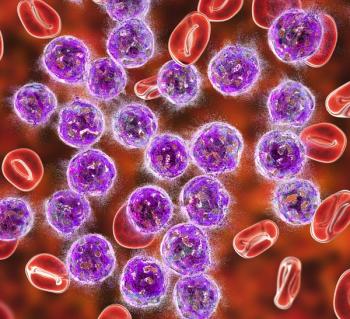
I was shocked when I was diagnosed with a myeloproliferative neoplasm, and have dedicated myself to learning about the disease since.
My cancer was caught early, and I never had to have chemotherapy — leading me experience survivor’s guilt and ask, “can I even call myself a survivor?”

Cancer — and its treatments — can feel like a grueling race, but I’m using frequent follow-ups and an excellent care team to stay ahead of the game.

I exercised and ate healthy, yet still received a cancer diagnosis, leaving me wondering, “why me?”

Now that I’m six years out of my breast cancer treatment, people assume that I’m better and lack empathy. However, my anxiety is still high.

When cancer entered our life, fear was a constant. However, we tried to live as joyously as possible between check-ups.

After going through 14 rounds of chemotherapy to treat triple-negative breast cancer, I made a list of nine items I’m happy I had with me in the chemo chair.
I wish I didn’t need to see an oncologist at all, but am thankful that the one I had was amazing.

With a little luck and a lot of coordination, I managed to create an excellent and comprehensive cancer care team in the least populated state in the country.
I experienced two separate breast cancer diagnoses, and the aromatase inhibitors I was prescribed drastically decreased my quality of life. Then, I found a way out.

When comparing my experiences with those who came before me, I’m happy to realize that cancer treatments have gotten better and there are more Black leaders in the medical community.