



CURE spoke with Dr. Michael E. Kasper, medical director of radiation oncology at the Eugene M. and Christine E. Lynn Cancer Institute at Boca Raton Regional Hospital.
CURE spoke with Dr. Michael E. Kasper, medical director of radiation oncology at the Eugene M. and Christine E. Lynn Cancer Institute at Boca Raton Regional Hospital.

GLP-1 medications offer cancer survivors a tool to manage treatment-related weight gain through coordinated care.
Edward Miskie shares how survivorship can feel isolating, inspiring the Remission Film Festival to spotlight the emotional realities after treatment.
Rutgers researchers find tactical problem-solving significantly lowers anxiety and empowers young adult cancer patients to manage developmental stressors.

Explore the "Previvorship in the Platform Society" report on how social media impacts hereditary cancer communities and the need for better representation.

Phase 3 VIKTORIA-1 trial shows gedatolisib triplet therapy significantly extends progression-free survival for HR+/HER2- advanced breast cancer.
Dr. Ginger J. Gardner highlights the vital role of caregivers in cancer care, emphasizing support gaps, shared experiences and patient-centered solutions.
A caregiver explores the grief, guilt and medical mysteries following a sister’s Hodgkin lymphoma diagnosis and the search for peace in the unknown.
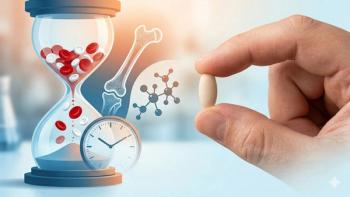
The FDA approved a once-daily extended-release tablet, Jakafi XR, for patients with myelofibrosis, polycythemia vera and GVHD.

Multiple myeloma death rates are declining as targeted therapies and immunotherapy improve survival, offering patients longer lives and more treatment options.
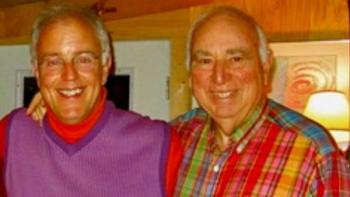
Roger Klinger shares his powerful journey surviving esophageal cancer and ARVC while caring for his husband, finding hope through community and love.
Dr. Aneel Damle explains colorectal cancer staging, treatment options, minimally invasive surgery and personalized care to help improve patient outcomes.
A three-time cancer survivor shares her journey with Lynch Syndrome and her transition from patient to advocate through a Lynch Syndrome vaccine trial.

Learn about rare phyllodes tumors, from benign to malignant grades, including surgical options, recovery and key questions for your oncology team.
Dr. Tony Anderson discusses balancing cancer treatment timing with fertility preservation and the ethical importance of long-term planning for stored gametes.

A patient facing brain surgery finds comfort in "Grey's Anatomy" tropes and a surprise hospital dinner provided by her boyfriend's local restaurant.

A patient details diagnosis, transplant treatment and the complex path to recovery and survivorship after leukemia.
Following FDA approval, Veppanu (vepdegestrant) provides a new oral treatment option for patients with ESR1-mutated, ER+/HER2- metastatic breast cancer.

Summer, with its promise of warmth and freedom, can present unexpected challenges for breast cancer survivors navigating life after a mastectomy.
New AHN research shows high-intensity resistance training is safe and essential for breast cancer survivors to gain strength and functional mobility.
New therapies are beginning to crack KRAS, offering tumor shrinkage and longer survival as researchers work to overcome resistance.
Elrexfio improved progression-free survival in multiple myeloma, helping patients live longer without disease worsening in a phase 3 trial.

Transitioning from active cancer treatment brings a new kind of uncertainty. Learn how to navigate life when the medical guardrails are removed.
Dr. David Greenberg outlines bladder cancer staging, BCG, immunotherapy, surgery, quality of life impacts and long-term follow-up care strategies.
Dr. Ramy Sedhom highlights screening and care pathways that improve outcomes and strengthen psychosocial support for patients with cancer.

Diagnosed with both AIDS and cancer, a writer finds solace in the Cape May surf and the profound gift of a friend truly engaging with his life’s work.
KRAS was long thought undruggable in cancer until scientists discovered a hidden binding pocket in mutant KRAS, leading to targeted therapies.
New immunotherapy use before and after surgery improves outcomes, making early symptom recognition and expert care more critical than ever.
Dr. Ramy Sedhom discusses how embedded psychosocial care in oncology may improve access, engagement and emotional support during cancer care.
Urologist Dr. Susan MacDonald breaks down the differences between soft tissue and blood cancers while highlighting common and rare disease types.