



Conference Coverage
Latest Content







Advertisement
Shorts

1:00
How Hair Loss During Lymphoma Treatment Can Reshape a Patient's Sense of Self
6 days ago
by
Kaitlyn M. Le
1:30
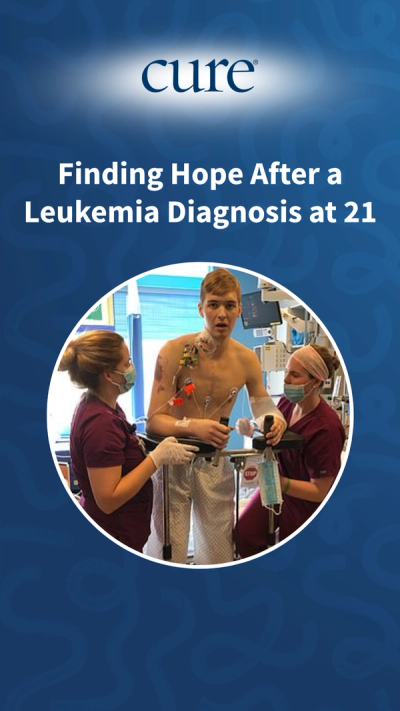
Finding Hope After a Leukemia Diagnosis at 21
12 days ago
by
Kaitlyn M. Le
1:00
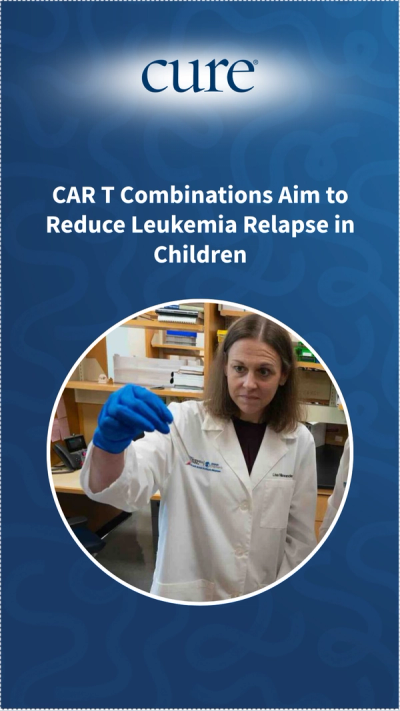
The Future of CAR T Cell Therapy for Leukemia
12 days ago
by
Kaitlyn M. Le
0:42
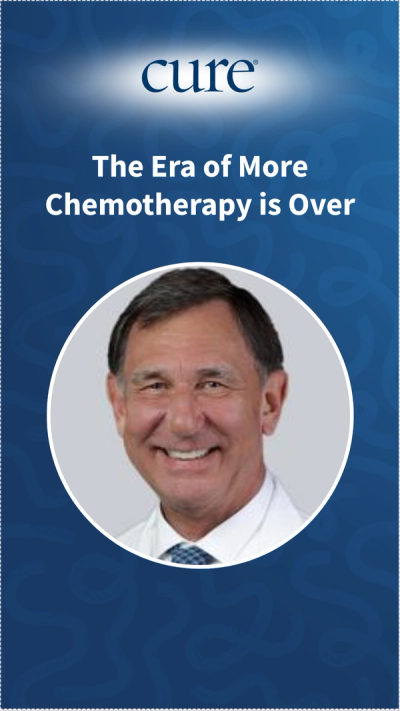
The Era of More Chemotherapy is Over
15 days ago
by
Dr. Guenther Koehne

0:44
10 Things That Got Me Through Treatment feat. Sally Kalksma
19 days ago
by
Sally Kalksma
1:10
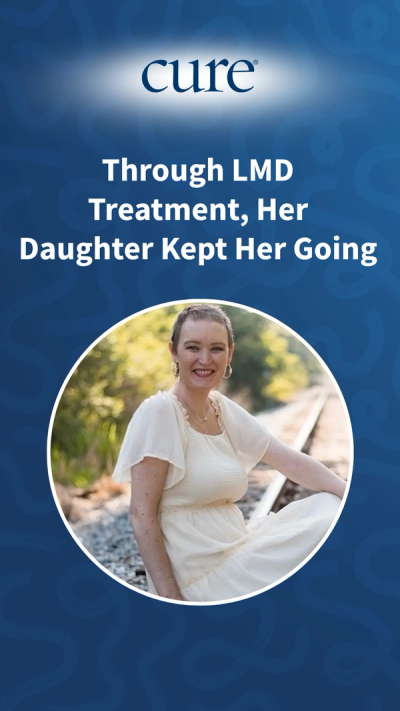
Through LMD Treatment, Her Daughter Kept Her Going
19 days ago
by
Kaitlyn M. Le
0:19
Rethinking Treatment Sequencing in HER2-Mutant Lung Cancer
22 days ago
by
Kaitlyn M. Le
0:23
How AI Is Changing Cancer Care
22 days ago
by
Dr. Maurie Markman

0:30
Essential Advice for Cancer Caregivers
a month ago
by
Spencer Feldman

0:35
Why Clinical Trial Deserts Are Harming Patients
a month ago
by
Kaitlyn M. Le









Videos


All News
Advertisement
Advertisement

A Phoenix man with metastatic castration-sensitive prostate cancer shares how back pain led to a PSA test and how his family helped him cope.

Five CURE bloggers living with breast cancer share what Breast Cancer Awareness Month can miss, from metastatic disease to men and mammogram limits.

A study of 39,184 people with solid tumors, published Oct. 8, 2026, found that about 1 in 6 had an inherited genetic change that increased their cancer risk. Testing only people under 50 would have missed 72% of those with these changes.
Updated NCCN guidelines for mantle cell lymphoma favor BTK inhibitor pills in first treatment and say people with no detectable lymphoma after treatment can skip a stem cell transplant.

From a personalized melanoma vaccine to new options for biliary, stomach, lung and endometrial cancers, here are 5 ESMO 2026 abstracts to watch.

In the phase 2 CO.28 trial, all 4 patients with tumor DNA in their blood after chemotherapy were recommended surgery, versus 38.1% of those without it.

California Gov. Gavin Newsom signed AB 1682 on Sept. 27, requiring large-group health plans to cover prescribed scalp cooling starting Jan. 1, 2027. Medi-Cal coverage is pending federal approval.

In a phase 2 study, Ojemda (tovorafenib) led to responses in 43% of adults with melanoma or other solid tumors that carried rare RAF gene changes.

In a video interview with CURE, Dr. Elizabeth K. Lee explained that how a treatment affects daily life matters as much as how well it works.

In the phase 3 ASAC trial, daily aspirin did not lower the risk of colorectal cancer returning after treatment for liver metastases, and serious side effects were more common.
Advertisement
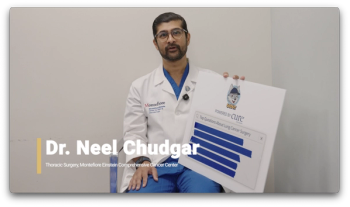
Dr. Neel Chudgar of Montefiore Einstein answers the most searched questions about lung cancer surgery, including risks, recovery and recurrence.

Challenge yourself after cancer by building healthier habits, strengthening relationships, managing stress and embracing new experiences for a healthier life.
Rinatabart sesutecan shrank tumors in 45.9% of patients with platinum-resistant ovarian cancer in a phase 2 study, with responses lasting a median of 12.1 months.

The FDA withdrew Zepzelca’s accelerated approval for small cell lung cancer after the LAGOON trial failed to show longer survival. Its maintenance use with Tecentriq is unaffected.

Prostate cancer grows slowly, and while 50% of men on active surveillance eventually need treatment, waiting can mean years without side effects.
Advertisement
Advertisement