

Conference Coverage
Latest Content

Oct 02, 2026 | News
Navigator Outreach Helped More Relatives of BRCA Carriers Get Tested
FDA Approves Jaypirca as First-Line Treatment for CLL and SLL
Oct 02, 2026

Giredestrant Combo Cuts Progression Risk by 44% in Advanced Breast Cancer
Oct 02, 2026

Shorter Radiation After Prostate Surgery Controlled Cancer as Well at 5 Years, With a Trade-Off
Oct 02, 2026
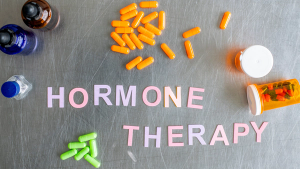
Why Staying on Hormone Therapy Matters When Skipping Radiation
Oct 02, 2026







Advertisement
Shorts
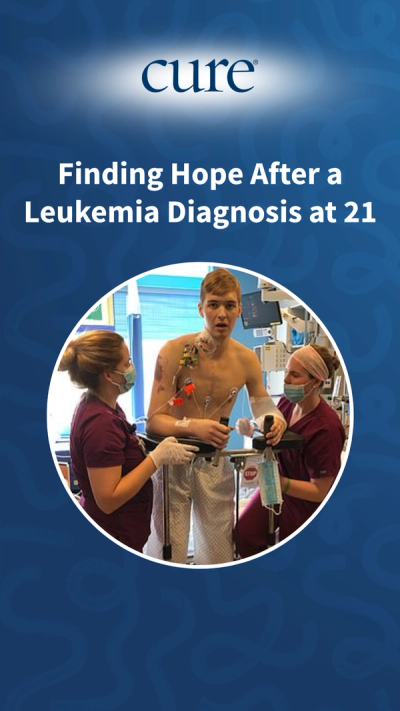
1:30
Finding Hope After a Leukemia Diagnosis at 21
a day ago
by
Kaitlyn M. Le
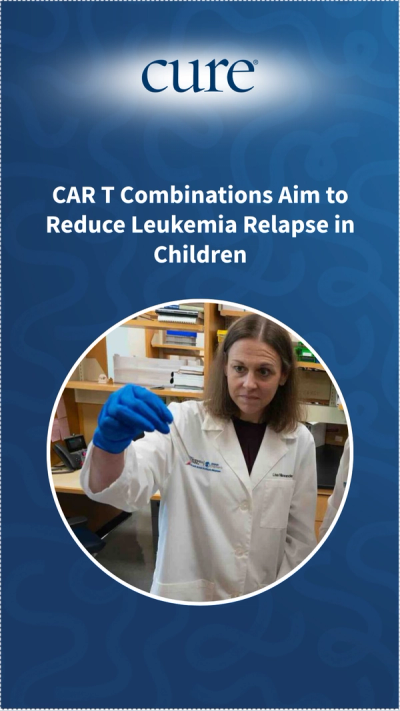
1:00
The Future of CAR T Cell Therapy for Leukemia
a day ago
by
Kaitlyn M. Le
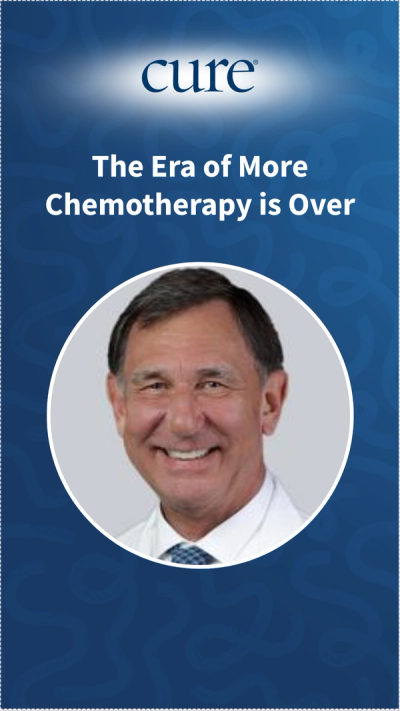
0:42
The Era of More Chemotherapy is Over
4 days ago
by
Dr. Guenther Koehne

0:44
10 Things That Got Me Through Treatment feat. Sally Kalksma
8 days ago
by
Sally Kalksma

1:10
Through LMD Treatment, Her Daughter Kept Her Going
8 days ago
by
Kaitlyn M. Le

0:19
Rethinking Treatment Sequencing in HER2-Mutant Lung Cancer
11 days ago
by
Kaitlyn M. Le

0:23
How AI Is Changing Cancer Care
11 days ago
by
Dr. Maurie Markman

0:30
Essential Advice for Cancer Caregivers
15 days ago
by
Spencer Feldman

0:35
Why Clinical Trial Deserts Are Harming Patients
22 days ago
by
Kaitlyn M. Le

1:00
The Danger of Cutting Ostomy Costs
22 days ago
by
Kaitlyn M. Le









Videos



All News
Advertisement
Advertisement

September brought new options for breast, lung, kidney, bile duct, skin and neuroendocrine cancers, plus a brain tumor scan and easier lung cancer treatment.
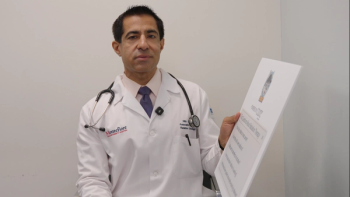
Dr. Nitin Ohri explains how radiation treats cancer, how often treatment is needed, common side effects and how to tell if radiation is working.

Ivonescimab outperformed Keytruda, a new myeloma drug lowered progression risk by 60% and more: the biggest phase 3 cancer results of September 2026.

Breast cancer treatment has changed dramatically since 2021. Here are the key FDA approvals, year by year, and what they mean for patients.

Choosing hospice care brought comfort, support and precious time for one family as they navigated cancer, caregiving and bringing a loved one home.

Learn how to cope with life after cancer treatment with Dr. Eric Bengtsen, a psycho-oncology psychiatrist at Memorial Sloan Kettering Cancer Center.

Sue Weldon, a 22-year breast cancer survivor and Unite for HER founder, explains how integrative therapies helped her heal after chemotherapy.

On National Previvor Day, learn what it means to carry an inherited gene change like BRCA1 or BRCA2, and the screening and surgery options that lower risk.
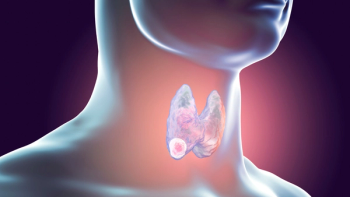
Patients with HPV-associated oropharyngeal cancer who received 23% less radiation reported fewer swallowing, voice and dry mouth problems six months after treatment.

Heather Curley discusses her leptomeningeal disease diagnosis, joining an experimental vaccine trial and the milestones she has been able to share with her daughter.
Advertisement

A phase 3 trial presented at ASTRO 2026 found that giving focused radiation in three to five sessions, instead of one, lowered the chance of cancer returning at the surgery site, and patients lived longer.

A new radiation implant placed during surgery for brain metastases nearly stopped tumors from returning and doubled survival, a new study found.
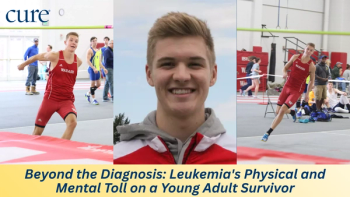
Six years after being diagnosed with B-cell ALL at 21, William Yank opens up about the physical changes of treatment, the emotional weight of constant care and the role hope plays in his survivorship.

Long-term results presented at ASTRO 2026 show that a shorter radiation schedule after mastectomy controls high-risk breast cancer as well as the standard five-week course, without more long-term side effects.

FDA fast-tracks review of elinzanetant for hot flashes linked to breast cancer treatment. Here’s what the trial found and what patients should know.
Advertisement
Advertisement
Trending on CURE
1
Hot Flashes From Breast Cancer Treatment May Soon Have an FDA-Approved Fix
2
The 5 Most Impactful Phase 3 Cancer Trial Results From September 2026
3
10 Cancer Treatment Approvals From September 2026 and What They Mean for You
4
Shorter Radiation After Prostate Surgery Controlled Cancer as Well at 5 Years, With a Trade-Off
5