At three years, 69% of patients treated with Imfinzi and chemotherapy around surgery were alive, compared with 62% of patients treated with chemotherapy alone.

Kaitlyn covers the intersection of science and storytelling in oncology. She recently graduated from California Polytechnic State University, San Luis Obispo where she studied Journalism and Biomedical Engineering. Her background spans clinical research and patient care, bridging communication gaps between providers and patients. In her free time, she enjoys thrifting, hiking, and music.
Email her at [email protected]
At three years, 69% of patients treated with Imfinzi and chemotherapy around surgery were alive, compared with 62% of patients treated with chemotherapy alone.
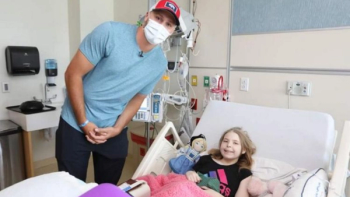
Hannah was 11 when she was diagnosed with acute lymphoblastic leukemia (ALL). Four years, two relapses and a 53-day hospital stay later, she is back in school.
Progression-free survival reached 14.3 months with Enhertu versus 8.3 months with chemotherapy plus Keytruda in HER2-mutant lung cancer.

In the phase 3 DESTINY-Lung04 trial, patients with HER2-mutant advanced non-small cell lung cancer treated with Enhertu went a median of 14.3 months without their disease worsening, compared with 8.3 months with immunotherapy plus chemotherapy.

In the phase 3 ADAURA trial, 79% of patients who took Tagrisso for three years after lung cancer surgery were alive at eight years, compared with 64% of patients who received a placebo.

Among second-level Medicare Part D appeals for cancer drugs, 19.5% were successful. The CEO of Triage Cancer explains what patients can do after a denial.

Most cancers now have at least three or four treatment approaches, and an oncologist explained how cancer heterogeneity shapes the way patients respond.
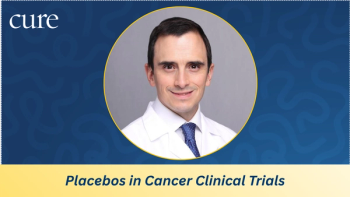
Dr. Miguel Gonzales-Velez explains how placebos are used in phase 3 cancer trials, and why joining one does not mean giving up standard treatment.

Medicare will narrow ostomy suppliers to about eight national contracts, and advocate Ellyn Mantell says a poor fit can put patients in the hospital.
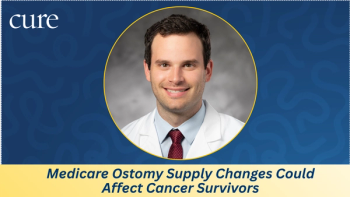
Dr. Diego Schaps discussed how upcoming Medicare competitive bidding changes could affect access to ostomy supplies and why having the right pouching system matters for patients.
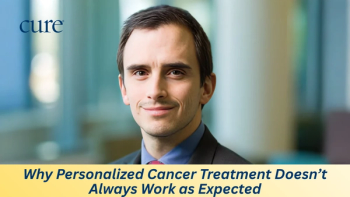
Cancer can change, hide from the immune system and escape treatment, making effective therapy about more than targeting cancer cells alone.
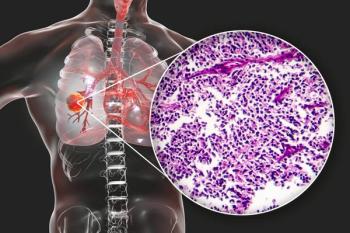
T-cell engagers and other cellular therapies could help the immune system recognize and target lung cancer, including small cell lung cancer.
Gail Fackler reflected on her husband Jim’s stage 4 small cell lung cancer diagnosis, the uncertainty they faced and the hope they found through a clinical trial.

Dr. Jenni Sheng discussed weight management after breast cancer, when medication may be considered and why survivorship care goes beyond cancer surveillance.
Diagnosed with stage 2B lung cancer after a screening, Vicky found community and a new purpose through lung cancer advocacy.
T-cell engagers and antibody-drug conjugates are expanding the SCLC treatment landscape as researchers focus on improving responses and overcoming resistance.

The A-NEW study found that 42% of breast cancer survivors with slower early weight loss reached the 5% goal after Contrave was added.

Ivonescimab plus chemotherapy improved survival compared with Imfinzi plus chemotherapy in patients with previously untreated advanced biliary tract cancer, according to phase 3 findings.
Dr. Maria Margarete Karsten discusses how weekly symptom monitoring helped identify changes between visits and what patients told her about using it.
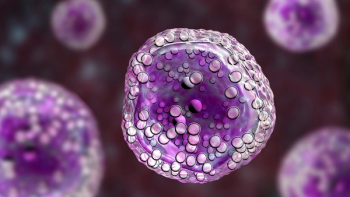
Final phase 1 results showed lasting responses to soquelitinib in some patients with relapsed or refractory T cell lymphoma.

In the phase 2/3 STAR-TREC trial, 78.5% of patients given long-course chemoradiotherapy kept their rectum at 12 months, versus 60.6% with short-course radiotherapy.

In the phase 3 SHARE trial, salvage radiation given in 26 sessions kept cancer in check as well as 33 sessions did, with more late bowel side effects.
Nona Baker discusses the misdiagnoses that came first, why families need support and what has changed since.
An incoming medical oncologist at the University of Cincinnati on how patient values shape treatment, and what precision medicine can now target.
Dr. Matthew Karr explains how CAR T-cell therapy works, who may be eligible and how doctors decide when to treat or monitor cancer.
A medical oncologist at UC San Diego Health on choosing between surgery and radiation, and why precision oncology changes what patients should ask first.
Long-term survivorship in small cell lung cancer was not expected 20 years ago. A radiation oncologist explains what that shift means for patients today.
Cancer drugs sit in a protected class under Medicare Part D, but plans can still deny coverage. A researcher from Vanderbilt found that many of those denials do not hold up under outside review.
In the phase 2 SANRECO trial, 88% of patients with polycythemia vera kept hematocrit below 45% without a phlebotomy. Lead investigator Dr. Marina Kremyanskaya explains what that could mean day to day.

In the phase 2 KEYPAD trial, Keytruda plus Xgeva shrank tumors in 31% of patients with advanced clear cell kidney cancer after prior treatment.

August 10th 2026
Published: July 24th 2026 | Updated: July 24th 2026

August 9th 2026