

Patients with HR-positive HER2-negative advanced breast cancer, including elderly patients, derived a progression-free and overall survival benefit with Kisqali plus endocrine therapy compared with placebo plus endocrine therapy.
Patients with HR-positive HER2-negative advanced breast cancer, including elderly patients, derived a progression-free and overall survival benefit with Kisqali plus endocrine therapy compared with placebo plus endocrine therapy.

If metastatic breast cancer no longer responds to a given therapy, finding out what targetable mutations a patient has may guide the next steps for treatment, an expert said.
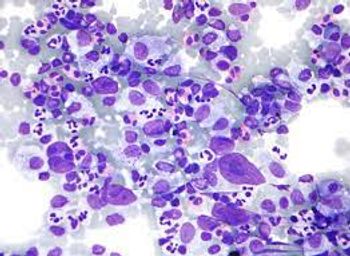
A treatment combination that includes Velcade and Rituxan helps improve responses and the safety profile in marginal zone lymphoma, according to a phase 2 trial.

Datopotamab deruxtecan elicited encouraging responses in patients with heavily pretreated non–small cell lung cancer harboring actionable genomic alterations.

The Welireg-Cabometyx treatment combination demonstrated anti-tumor activity for some patients with clear cell renal carcinoma, according to a phase 2 trial.

An expert explained the different treatment options for patients with estrogen receptor-positive, HER2-negative breast cancer that has recently been diagnosed or has recurred.
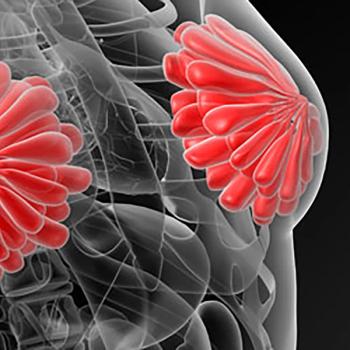
An expert explained how next-generation sequencing can help patients with metastatic breast cancer understand their disease and available treatment options.
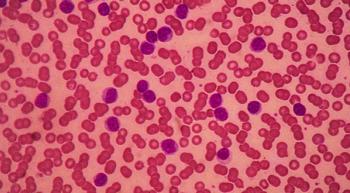
Autoimmune diseases in patients with CLL are separate from CLL, which calls for different treatments.
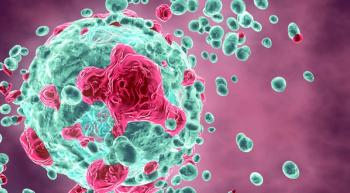
A phase 2 study evaluated meaningful activity from lifileucel for patients with advanced mucosal melanoma who experienced disease progression on immune checkpoint inhibitors.

CURE® editors discuss data from the European Society of Medical Oncology Annual Congress, and how it could lead to new therapies being approved.

Jemperli plus chemotherapy demonstrated improvement in overall survival compared with Keytruda and chemotherapy in patients with treatment-naïve, nonsquamous non–small cell lung cancer.

Keytruda plus the combination of Herceptin and chemotherapy led to an improvement in progression-free survival versus placebo plus Herceptin and chemotherapy in the first-line treatment of some patients with metastatic HER2-positive gastric or gastroesophageal junction cancer.

Data presented at ESMO “provides strong evidence for an enhanced anti-cancer effect with the combination” of Pluvicto and Xtandi, according to one expert.

The addition of Keytruda to external beam radiotherapy and concurrent chemotherapy, followed by brachytherapy, resulted in statistically significant and clinically meaningful improvements in progression-free survival in patients with newly diagnosed, previously untreated, high-risk locally advanced cervical cancer.

Patients with HR-positive, HER2-negative high-risk early breast cancer tended to experience improved invasive disease and distant relapse-free survival after adding Verzenio to endocrine therapy.
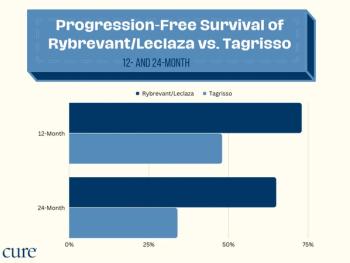
Patients with advanced non-small cell lung cancer with an EGFR mutation had a greater risk reduction for disease progression with frontline Rybrevant plus Leclaza compared with Tagrisso alone.
Neoadjuvant Keytruda plus chemotherapy followed by adjuvant Keytruda plus endocrine therapy generated a statistically significant increase in pathologic complete response compared to pre-surgical placebo and chemotherapy followed by adjuvant Keytruda and endocrine therapy for patients with high-risk, early-stage, estrogen receptor–positive, HER2-negative breast cancer.

Patients with metastatic castration-resistant prostate cancer who were never treated with a taxane derived a progression-free survival benefit from treatment with Pluvicto.

Dato-DXd lengthened the average time it took patients with HR-positive, HER2-low or -negative metastatic breast cancer to experience disease progression, study results showed.

The addition of Keytruda to Xtandi showed no improvements for radiographic progression-free survival and overall survival in patients with metastatic castration-resistant prostate cancer.

Platinum-based chemotherapy, when administered before chemoradiotherapy, improved progression-free and overall survival for patients with locally advanced cervical cancer.

For the first time, a drug combination (Padcev plus Keytruda) outperformed frontline chemotherapy for patients with locally advanced or metastatic urothelial carcinoma.

The combination of Lumakras and Vectibix led to better progression-free survival compared with standard of care in patients with chemorefractory metastatic colorectal cancer harboring KRAS G12C mutations.

Adding Opdivo to a standard-of-care chemotherapy regimen in patients with unresectable or metastatic urothelial carcinoma improved progression-free and overall survival.

Welireg led to improved time to progression and objective response rates compared to Afinitor for patients with advanced clear cell renal cell carcinoma, according to study findings.

Treatment with Retevmo, compared with Cabometyx or Caprelsa, improved progression-free survival and overall response rate in patients with advanced RET-mutant medullary thyroid cancer who were multikinase inhibitor-naïve.

The treatment combination of Rybrevant plus chemotherapy offers better progression-free survival for patients with advanced EGFR exon 20 insertion-positive NSCLC.
Retevmo improved progression-free survival, compared with chemotherapy with or without Keytruda in patients with RET-fusion positive non-small cell lung cancer.

Patients with ALK-positive, early-stage non-small cell lung cancer obtained significant improvement in disease-free survival.

Treating patients with Tagrisso, a tyrosine kinase inhibitor, plus chemotherapy reduced the progression risk of disease of the central nervous system in patients with EGFR-positive non-small cell lung cancer.