

Three new studies from WCLC 2026 show strong results in ROS1-positive NSCLC, EGFR-mutant NSCLC and relapsed small cell lung cancer, offering fresh options.
Three new studies from WCLC 2026 show strong results in ROS1-positive NSCLC, EGFR-mutant NSCLC and relapsed small cell lung cancer, offering fresh options.

WCLC 2026 brought new lung cancer data on HER2-mutant, PD-L1-positive and EGFR exon 20 insertion-positive non-small cell lung cancer. Here's what patients should know about three key studies.
Jeff Cape, a Blue Faery volunteer and HCC caregiver, shares why patient voices matter at ASCO and what he wishes every cancer patient knew.
EHA 2026 brought new data on myeloma, leukemia and lymphoma. Here's what patients and caregivers should know about five key studies.
Investigational bispecific antibody pumitamig achieved a 70% response rate and disease control in all evaluable patients with advanced NSCLC.
ASCO 2026 highlighted advances in pancreatic, breast, sarcoma, lung and prostate cancers that may reshape treatment.
Iza-bren improved survival and delayed disease progression versus chemotherapy in previously treated metastatic triple-negative breast cancer.
ASCO 2026: Telephone-based weight loss significantly improves physical function and mental health in patients with breast cancer patients who are overweight or obese.
Ivonescimab plus chemotherapy helped patients with advanced squamous NSCLC live longer than tislelizumab plus chemotherapy.
Giredestrant plus Afinitor improved disease control after later treatment and delayed chemotherapy in ER-positive, HER2-negative breast cancer.
Study data shows Ibtrozi provides rapid symptom relief and stable brain health for patients with advanced ROS1-positive lung cancer.
Dr. Emily Podany links food deserts to aggressive breast cancer mutations and shorter survival, stressing the need for social determinant screening.
OPTIMA trial data at ASCO 2026 shows a 50-gene test helps patients with high-risk breast cancer avoid unnecessary and toxic chemotherapy treatments.
Dr. Paolo Tarantino discusses the importance of strategic sequencing and drug-specific prophylaxis to optimize ADC therapy in breast cancer.
KEYNOTE-522 trial data shows adding Keytruda to chemotherapy drastically improves long-term survival for high-risk, early-stage TNBC.
ASCO 2026: MajesTEC-9 trial shows Tecvayli cuts death risk by 40% and improves outcomes in relapsed/refractory multiple myeloma patients.
Lifyorli plus Abraxane improved survival in platinum-resistant ovarian cancer regardless of prior taxane use, according to updated ROSELLA data.
Sac-TMT plus Keytruda helped patients with PD-L1–positive advanced NSCLC live longer without their cancer worsening and increased response rates versus Keytruda alone.

ASCO 2026 will feature new gynecologic cancer research, including advances in immunotherapy, ADCs, vaccines and targeted therapies.
Discover five breakthrough breast cancer studies disrupting oncology as global research teams unveil practice-changing data at ASCO 2026 in Chicago.
ASCO 2026 will highlight biomarker-driven lung cancer care, targeted therapies, ADCs and phase 3 trials shaping precision oncology advances.
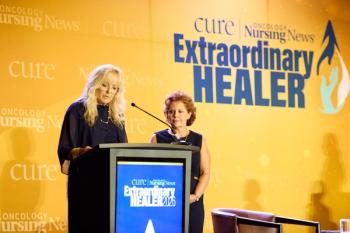
Oncology nurse Tammy Zinn, an Extraordinary Healer finalist, expanded support through wish-granting programs, counseling and survivorship care for patients with cancer.
Dr. Erica Mayer of Dana-Farber highlights new data on chemotherapy-free HER2+ treatment, ctDNA monitoring and oral SERDs at ESMO Breast 2026.
At ONS Congress 2026, Elianna Tobin shared how nurse navigator outreach helped patients feel more prepared before cancer appointments.
New research suggests biologic aging and neighborhood-related stress may affect how aerobic exercise influences cognition after breast cancer treatment.

Talking about what matters most with your nurses can improve your care and comfort during intensive treatments like stem cell transplants.
Patients receiving immunotherapy may develop lifelong endocrine adverse effects requiring insulin, hormone therapy and ongoing support.

New research shows maintaining physical function and nutrition may help patients with advanced liver cancer stay on treatment longer and live longer.

Michele Kranz, discussed how oncology nurse navigators like herself support patients with cancer through education, advocacy and care coordination.
New research shows that lymphoma survivors often face long-term peripheral neuropathy, which may be more severe than what doctors typically report.