

Rybrevant plus chemotherapy improved response and delayed disease progression for patients with EGFR-mutated non–small cell lung cancer after Tagrisso.
Rybrevant plus chemotherapy improved response and delayed disease progression for patients with EGFR-mutated non–small cell lung cancer after Tagrisso.
The 2025 ASCO Annual Meeting highlighted key advances in brain cancer and brain metastases for patients affected by the disease.

The de-escalation of therapy helps avoid unnecessary toxicity from treatment in patients with brain cancer, explained Drs. Joshua K. Sabari and Manmeet Singh Ahluwalia.

Sara Gideon, nurse practitioner, is a compassionate oncology nurse who supports patients with cancer, streamlines care and leads with dedication.
Dr. Aaron Gerds breaks down the outcomes of the phase 3 VERIFY trial, investigating rusfertide, for patients with polycythemia vera, a type of blood cancer.
Treating patients with lung cancer always calls for a focus on informed and shared decision-making, according to expert oncologists.

Dr. Joshua K. Sabari and Dr. Prantesh Jain delve into key lung cancer outcomes from the 2025 ASCO Meeting that patients should be aware of.

Expert oncologists Dr. Joshua K. Sabari and Dr. Eric K. Singhi break down key updates and takeaways in lung cancer treatment following ASCO 2025.
Dr. Joshua K. Sabari and Dr. Daniel V. Araujo provide expert insights into genitourinary cancer updates from ASCO 2025.

Dr. Joshua K. Sabari sat down with Dr. Daniel V. Araujo to discuss topline takeaways from the 2025 ASCO Meeting across the realm of genitourinary oncology
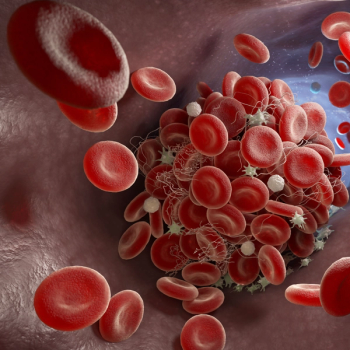
Treatment with the investigational therapeutic rusfertide has proven to be a potential treatment option for patients with polycythemia vera.

Amanda Snyder, a cancer survivor, became an oncology nurse to provide support she once lacked, now leading innovative therapies for patients.
The antibody-drug conjugate zilovertamab vedotin plus Rituxan and chemotherapy showed an objective response rate of 56.3% in relapsed/refractory DLBCL.

Using a 14-gene test to guide chemotherapy significantly improved disease-free survival in patients with early nonsquamous lung cancer.

How artificial intelligence is being used to augment the work of experts treating patients with prostate cancer.
The dual-targeting CAR T-cell therapy KITE-363 showed positive response rates and manageable side effects in relapsed or refractory B-cell lymphoma.

Adding Zyprexa to ondansetron cut nausea and vomiting safely in abdominal/pelvic radiation with low-emetogenic capecitabine.

Adding subcutaneous sasanlimab to BCG improved recurrence-free survival in non–muscle-invasive bladder cancer, according to Dr. Petros Grivas.

Katherine has an exquisite instinct for understanding that there is a context to each patient’s diagnosis that is just as important to understand.

Columvi plus chemo had enhanced survival outcomes vs Rituxan plus chemo in patients with relapsed/refractory diffuse large B-cell lymphoma.

Nubeqa and ADT treatment led to positive impacts on health-related quality of life vs placebo in metastatic hormone-sensitive prostate cancer.
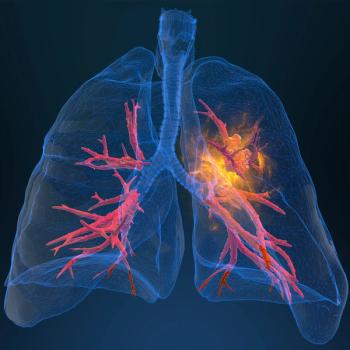
Imdelltra improved survival and quality of life versus chemotherapy as second-line treatment for small cell lung cancer, reinforcing it as a new SOC.
Dr. Massimo Cristofanilli discusses the early use of camizestrant with a CDK4/6 inhibitor to target ESR1 mutations, as it may improve outcomes in metastatic breast cancer.
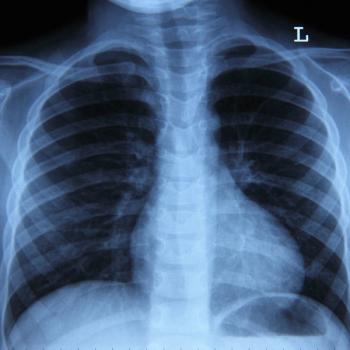
Patritumab deruxtecan treatment did not improve suvival end points versus those treated with chemotherapy in EGFR+ advanced/metastatic NSCLC.

Kisqali plus aromatase inhibitor improved outcomes across age and menopausal status in early hormone receptor–positive, HER2-negative breast cancer.

The COCOON dermatologic management regimen reduced the quality-of-life impact of Rybrevant/Lazcluze vs SOC treatment in patients with EGFR-mutated NSCLC.

Akeega delayed cancer growth and symptoms in patients with castration-sensitive prostate cancer and HRR gene mutations.
Dr. Sarah Sammons discusses side effects associated with RLY-2608, and how it effects patients with HR-positive, HER2-negative advanced breast cancer.

Imlunestrant alone or in combination with Verzenios improved patient-reported outcomes in ER+, HER2– advanced breast cancer following endocrine therapy.

Adding Enhertu to Perjeta improved time without cancer growth versus standard care in advanced HER2-positive breast cancer, as per data from DESTINY-Breast09.