Participation in a structured exercise program following surgery and adjuvant chemo improved key survival end points in stage 3 and high-risk stage 2 CRC.
Participation in a structured exercise program following surgery and adjuvant chemo improved key survival end points in stage 3 and high-risk stage 2 CRC.
Dr. Guru Sonpavde discusses the CheckMate 901 trial evaluating Opdivo plus Yervoy for those with cisplatin-ineligible, metastatic urothelial carcinoma.
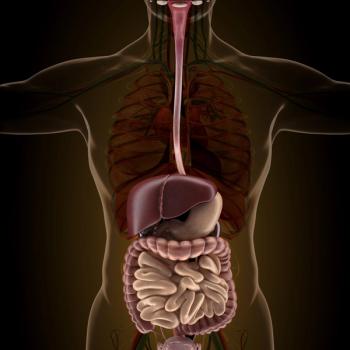
Adding Imfinzi to fluorouracil-based chemo improved event-free survival and response rates in resectable gastric and gastroesophageal junction cancer.
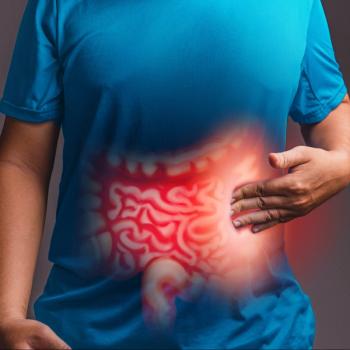
Tecentriq and chemotherapy combination reduces the risk of death versus chemotherapy alone in deficient mismatch repair, stage 3 colorectal cancer.
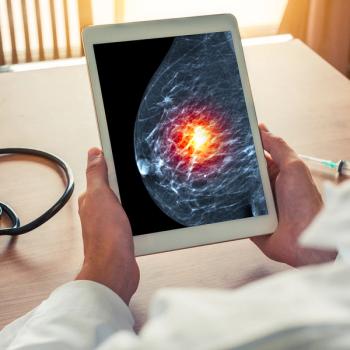
Camizestrant and continued therapy with CDK4/6 inhibition benefits patients who present with ESR1-mutated, ER+, HER2– advanced breast cancer.
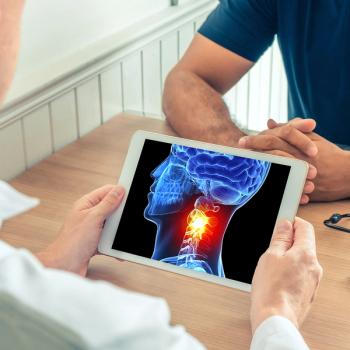
Adjuvant Opdivo, cisplatin and radiotherapy improved DFS vs other treatment among those with locally advanced squamous cell carcinoma of the head and neck.

Trodelvy plus Keytruda, when given in the frontline, extended survival without progression versus chemo plus Keytruda in PD-L1+ metastatic TNBC.
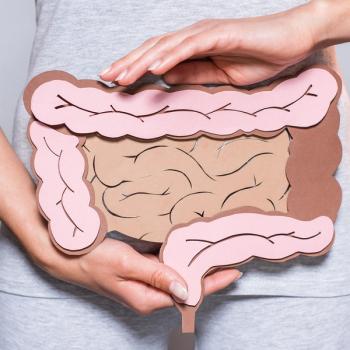
Second-line Enhertu improved key survival end points versus Cyramza plus paclitaxel for HER2+ gastric cancer or gastroesophageal junction adenocarcinoma.

Among patients with ESR1-mutant, ER+, HER2– advanced breast cancer, vepdegestrant improved survival without progression when compared with Faslodex.
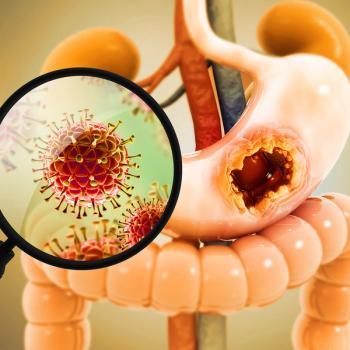
Braftovi and Erbitux plus chemotherapy improved survival without progression over standard therapy in BRAF V600E-mutant mCRC in the first-line setting.
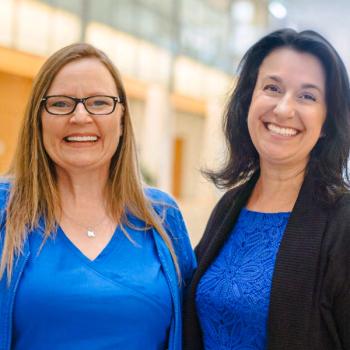
Christine Simonelli, B.S.N., RN, CCRC, OCN, is amazing, and goes out of her way to help patients and providers.
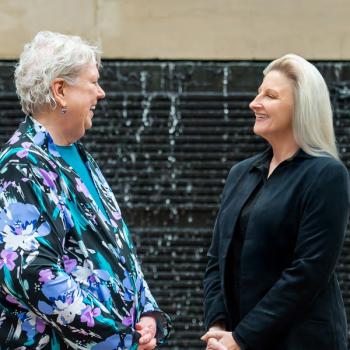
Kathleen Shuey, M.S., RN, SCON, ACNS-BC, listens and guides us in the right direction in caring for our oncology population.
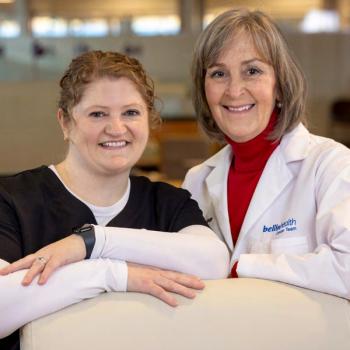
Heather Patenaude, B.S.N., RN, displays the highest level of technical skills necessary to provide compassionate care to her patients.
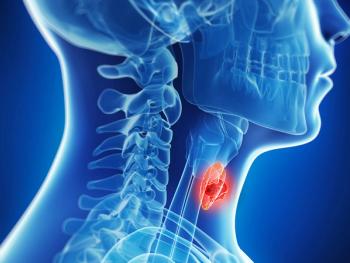
GLP-1 drugs lowered rates of obesity-related cancers and death versus DPP-4s, with no increased cancer risk, study finds.

Itovebi plus Ibrance and Faslodex improved overall survival in patients with PIK3CA-mutant, HR+, HER2–, endocrine-resistant breast cancer versus placebo.
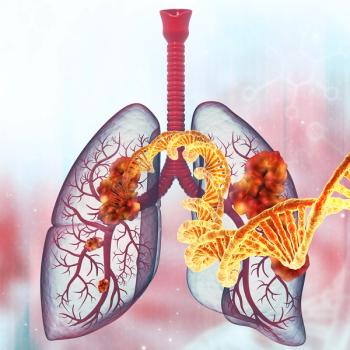
Among patients with ES-SCLC, first-line maintenance therapy with Zepzelca plus Tecentriq led to improvements in PFS and OS versus Tecentriq alone.
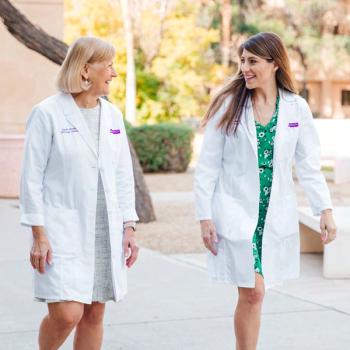
Gayle S. Jameson, M.S.N, ACNP-BC, AOCN, is a trailblazer whose expertise and compassion have made a profound impact on oncology care.
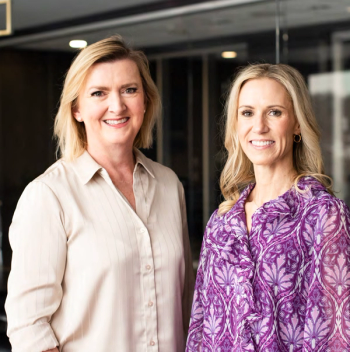
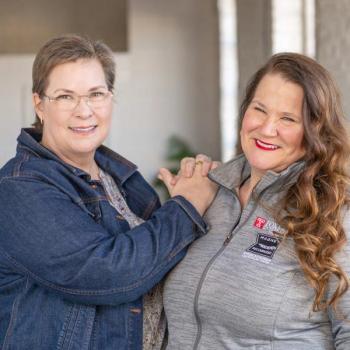
Dr. Susan Rux, a respected nursing leader and researcher, empowers teams, mentors future leaders, and advances inclusive clinical research in kidney cancer.
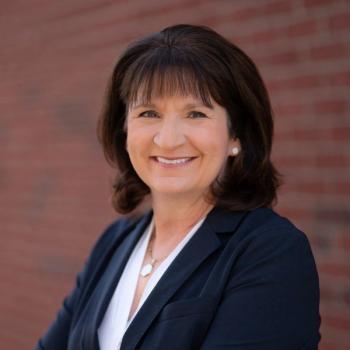
Mary Anderson, B.S.N., RN, OCN, embodies the spirit of an Extraordinary Healer.
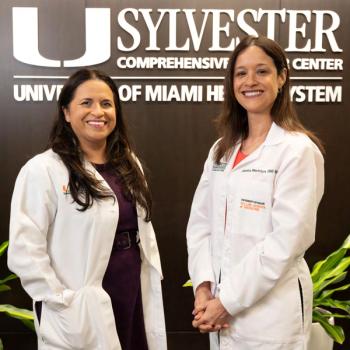
This is a joint nomination by Camille Moses and Dr. Estelamari Rodriguez.
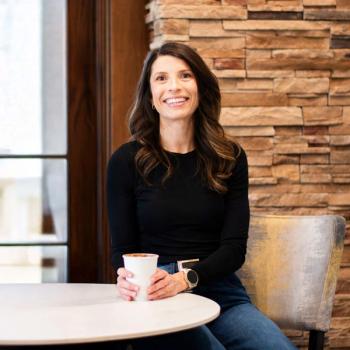
I would like to nominate Ashley Tullio, RN, for the Extraordinary Healer Award for Oncology Nursing.
Everyone knows someone who has been affected by cancer.
It is with great pride and admiration that I nominate Diane Hudson, RN, OCN, for the Extraordinary Healer Award for Oncology Nursing.
The nursing profession is home to countless extraordinary.
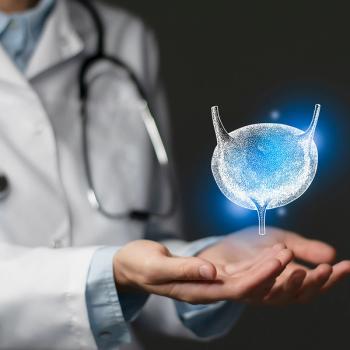
Among patients with non–muscle-invasive bladder cancer, neoadjuvant mitomycin demonstrated favorable safety.
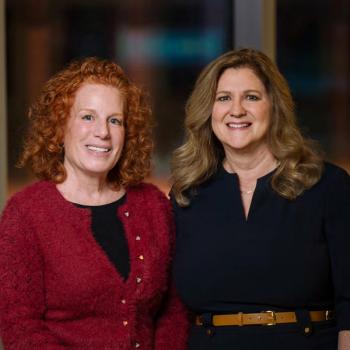
Reflecting upon my relationship with Jill over the past 25 years, I am in awe of all she has accomplished.
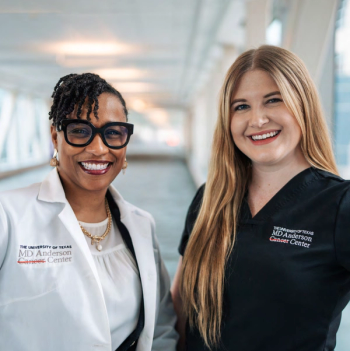
Mikela Pettigrew, B.S.N., RN, OCN,, exemplifies extraordinary compassion and dedication. Every day, she fulfills a promise she made as a young caregiver.
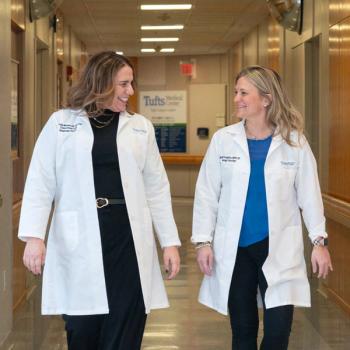
Kathleen Coughlin, although small in stature, is often referred to as the “Bulldozer.”