







Despite the challenges of diagnosing and treating liposarcoma and chondrosarcoma, experts are optimistic about future treatments for these two rare cancers.
Despite the challenges of diagnosing and treating liposarcoma and chondrosarcoma, experts are optimistic about future treatments for these two rare cancers.

A survivor writes about the experience of being diagnosed with cancer and understanding his odds of survival.

The 60-year-old comedian is optimistic about her prognosis.

A survivor of osteosarcoma who underwent treatment in the 1960s in a segregated hospital ward, shares how he was able to find strength during that time.

What you should know about UV manicures and cancer risk.

An oncologist notes how her practice nurse implements her personal experience with loss from cancer towards her care of patients currently receiving cancer treatment.
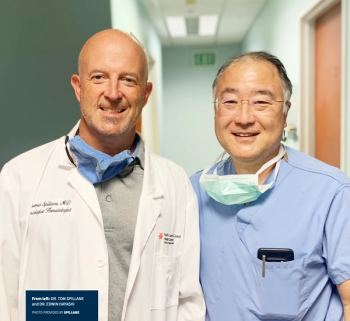
"Although there is no shortage of problems to be solved across the health landscape, Marty made his bio debut by tackling one of the biggest addressable markets in oncology: lung cancer."

A woman dedicates a poem to the experience of meeting a fellow breast cancer survivor.

A cancer survivor details how her oncology nurse was also a therapist and social worker for patients as they received chemotherapy.
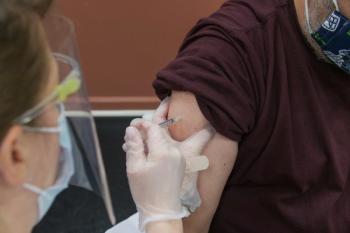
Fifteen percent of patients with myeloma did not have detectable antibodies two weeks after receiving the COVID-19 vaccine.

Articles containing misinformation on social media sites like Facebook and Twitter were more likely to be shared and liked than those with accurate information.
An oncologist writes about a local cancer care leader who developed an impressive multidisciplinary cancer team.

A cancer survivor writes about the ever-changing waves of grief.

From actor Rick Aiello’s death due cancer to the FDA approval of a medication to treat lymphoma in dogs, here’s what’s happening in the cancer landscape this week.
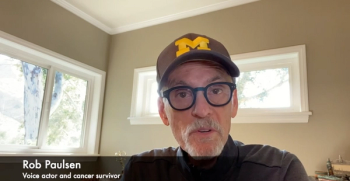
Rob Paulsen is the voice behind many beloved cartoon characters, but after receiving a cancer diagnosis, he discovered a whole new way to relate to others.

Bayer, the manufacturer of Roundup, created a five-point plan to decrease the risk of facing future litigation about its product causing cancer.

After receiving a diagnosis of stage 3 sarcoma, one survivor proves that anything is possible.

Intravesical therapy for patients with non-muscle invasive bladder cancer was found to have an impact on patients’ social, emotional and physical health.

“There is every reason sunscreen can be promoted on what it does in its ability to reduce your risk of skin cancers over its cosmetic application to prevent the signs of aging,” writes a melanoma survivor.

In this episode of the “CURE® Talks Cancer” podcast, a cancer survivor who served in the Vietnam War shares the story of his Agent Orange exposure and bladder cancer.

Lifestyle exposures may be interconnected to the increase in early onset colorectal cancer cases.

Patients with myeloma who are receiving Pepaxto should discuss the potential risks and benefits of continued treatment with the drug.

It wasn’t just a miscarriage, it was a rare type of cancer called choriocarcinoma.

Opdivo was granted an accelerated approval for patients with hepatocellular carcinoma, but the indication was pulled after follow-up data failed to show that the agent improved survival over another drug.

Although CLL follows a different staging format than other cancer types, diagnosing the disease properly can open the doors for more effective treatment and management strategies.

A patient with ovarian cancer details the compassion she experienced with her oncology nurse even during the COVID-19 pandemic.

An ovarian cancer survivor shares her experience receiving a radiation treatment on her lymph nodes.

Maintaining health before and after a diagnosis of myeloproliferative neoplasms could help patients as they undergo treatment.

The Major Histocompatibility Complex Class II protein has potential to predict immunotherapy benefit in two types of breast cancer.

An online tool developed by oncologists for this rare diagnosis individualizes survival estimates, resulting in candid discussions and better decision-making.