





Laura Yeager is a two-time breast cancer survivor. Catch up on all of Laura's blogs here!
Laura Yeager is a two-time breast cancer survivor. Catch up on all of Laura's blogs here!
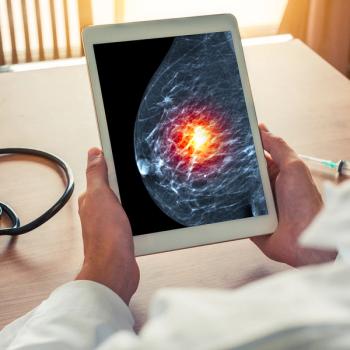
Bria-IMT plus a checkpoint inhibitor improved survival versus Trodelvy and chemo in patients with heavily pretreated metastatic breast cancer.
Dr. Paolo Tarantino shares how antibody-drug conjugates deliver more targeted chemo, and how the treatment lasts longer in the body vs traditional therapy.

I’m in remission from small lymphocytic lymphoma and off treatment, savoring this break while learning to live with the uncertainty that still lingers.
Dr. Erika Hamilton discusses the most notable breast cancer treatments currently in development, and how might they change care for patients in the future.
Monjuvi added to Rituxan and Revlimid extended progression-free survival from 14 to 22 months in follicular lymphoma, according to Dr. Christina Poh.

A subtle ad about breast cancer self-checks led me to reflect on my own experience and the complex role of pharmaceutical companies in awareness.
In a candid interview with CURE, Terry Gillespie reflects on how her definition of survivorship has evolved from her lung cancer diagnosis to present day.
A real-world study showed a 49% response rate with Amtagvi in patients with advanced melanoma, supporting earlier use after immunotherapy.
Dr. Breelyn Wilky urged newly diagnosed GIST patients to seek support from peers and advocacy groups, and to consult experts, even if care stays local.

During treatment for chronic lymphocytic leukemia and autoimmune anemia, I found relief and encouragement in a caring conversation with my oncology nurse.
The inMIND trial led to the FDA approval of Monjuvi with Revlimid and Rituxan for relapsed follicular lymphoma, showing benefits across diverse patients.
Dr. Nicholas James shares why it’s important to identify which patients with high-risk, non-metastatic prostate cancer will benefit from intensified treatment.

I was diagnosed with breast cancer, then lung cancer 17 years later — and both ultimately led me to make meaningful, positive changes in my life.
A patient on the Monjuvi trial saw lymph nodes shrink 85%, with stable results a year later, supporting the FDA’s recent approval for follicular lymphoma.

Thirteen years after cervical cancer, I’ve found strength in healing, grief in silence, and hope in sharing the quiet truths of survivorship.

Five years after my lymphoma diagnosis, life looks normal on the outside; however, the fear of recurrence and the reality of cancer never fully fade.
Dr. Alexandra Zaleta discussed actionable steps that individuals can take to advocate for a more person-centered insurance practice approach.
The FDA granted fast track designation to TRE-515 plus radioligand therapy for treating PSMA-positive metastatic castration-resistant prostate cancer.
Survivors can find strength after cancer by focusing on goals, loved ones, and spiritual connection, especially during challenging or uncertain times.

I found a lump and was shocked to learn it was breast cancer, but over 22 years I’ve learned healing takes time, asking for help is strength, and hope grows.
Bob Lane discusses his experience with prostate cancer, and describes what survivorship and cure means to him as someone living with metastatic disease.

Patients with nonmetastatic prostate cancer treated according to NCCN Guidelines are more likely to die of other natural causes than from their cancer.

After nearly 11 years of living with Hodgkin lymphoma, my sister Kathleen passed away peacefully at 38, leaving me to navigate the sorrow of losing her.
Real-world data suggest that Erleada may offer an advantage over other treatment options for patients with metastatic castration-sensitive prostate cancer.
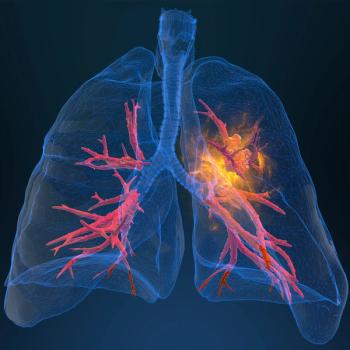
The U.S. FDA has approved a new test for patients with lung cancer to match the correct individuals with a targeted treatment called Zegfrovy.
Olalekan O. Oluwole discusses how CAR T-cell therapy is used to treat high-risk hematologic malignancies like lymphoma and leukemia.

Breast cancer care differs around the world, revealing urgent unmet needs in Nepal, where access, support, and treatment remain out of reach for many.
Dr. Breelyn Wilky explains how vague symptoms and testing challenges delay GIST diagnoses; however, molecular testing can help guides treatment decisions.
Daniel Jernazian, a two-time cancer survivor, shares how sports, advocacy and meeting his idol shaped his journey through illness and recovery.