






A breast cancer survivor and mother discusses the importance of prioritizing her own needs.
A breast cancer survivor and mother discusses the importance of prioritizing her own needs.
Dr. Joshua Sabari, Dr. Petros Grivas, and Dr. Chandler Park discuss new developments in perioperative therapy for muscle-invasive bladder cancer.

LiveLun invites the Fort Myers lung cancer community to its monthly educational meeting.
Dr. Minetta Liu explains how Signatera detects tumor DNA after bladder surgery, guiding treatment and identifying patients who need immunotherapy.

During my cancer journey, anticipatory anxiety made me ask “what if” questions, but reframing them with hope helped me stay positive and improve my chances of surviving.
Dr. Suneel Kamath sat down for Pancreatic Cancer Awareness Month to discuss advances in treatment and the importance of raising awareness for this disease.

MB-105 received a special FDA status to help deliver faster treatment options for people with relapsed T-cell lymphoma who have few options.
Four-time non-Hodgkin lymphoma survivor Shell Rowe knows very well about the importance of finding the lighthearted side of an otherwise serious situation.

While cancer patients can experience ghosting, and cancer ghosting is real, it is possible to revisit relationships to avoid putting blaming the person who appears to be slipping away.
Dave Nitsche, a nonsmoker and endurance athlete, pushes back against stigma and stays active while advocating for lung cancer screening.
Experts highlight perioperative Padcev plus Keytruda in bladder cancer, showing potential practice-changing results from ESMO 2025 for patients.

I’ve learned that social media can unite people at hereditary cancer risk but often leaves diverse voices out, so real change means every story is seen and valued.

The artwork of Gail Durant, winner of the annual CURE Calendar Contest, captured the heart of her family’s connection to home and the cancer journey.
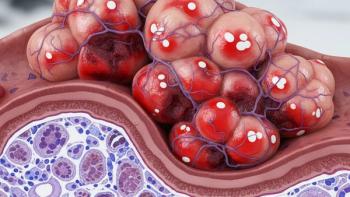
For some with GIST, bezuclastinib plus Sutent led to longer progression-free survival and higher response rates compared with Sutent alone.
In recognition of Pancreatic Cancer Awareness Month, Dr. Suneel Kamath sat down for an interview where he shared his insights on this aggressive disease.

Thymoma is a rare cancer of the thymus that can be treated with surgery, radiation, chemotherapy or immunotherapy depending on stage.

Understand your stage 2 oral cavity cancer diagnosis, explore primary treatment options and get key questions for your oncologist.

These are the basics of bile duct cancer, from diagnosis to treatment.

This guide provides an overview of stage 2 uterine (endometrial) cancer, including diagnosis, treatment options, and common side effects. A cancer diagnosis is life-changing, and it is natural to feel
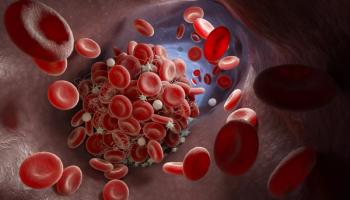
October brought developments in the management of blood cancers, from early-stage multiple myeloma to new cellular therapies and novel drug designations.
Dr. Mariano Provencio says many patients still face recurrence after lung cancer surgery and perioperative treatment aims to improve survival.

An opportunity to shine in a day filled with beauty, grief and gratitude, all dolled up in vintage pinup style.

In the ASCENT-07 trial, Trodelvy after endocrine therapy did not improve progression-free survival vs chemotherapy in HR+/HER2- metastatic breast cancer.
In recognition of Pancreatic Cancer Awareness Month, Dr. Suneel Kamath discussed the importance of directing support toward cancers with the unmet needs.

How a beloved childhood toy, a visionary inventor and one grandmother’s journey reveal the quiet strength of survival and the beauty found in every scar.
Kimberly Alexander urges care partners to seek support, prioritize self-care and push for better awareness so families in the Black community aren’t overlooked.
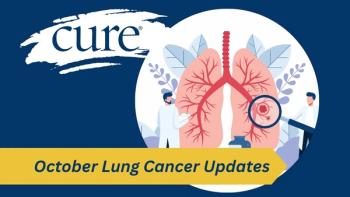
October brought updates in the lung cancer field, ranging from notable trial results to patient perspectives on navigating treatment and survivorship.
Steve Brown and Lisa Booth sat down for a joint interview with CURE to discuss the future of patient-driven artificial intelligence in cancer care.

The FDA approved Darzalex Faspro for the treatment of adults with high-risk smoldering multiple myeloma.

Jeannine Walston, who has contributed to CURE since 2015, was diagnosed with a brain tumor in March 1998.