










The early-stage trial, according to the investigational drug’s manufacturer, Adagene, is expected to take place across multiple sites in the United States and Asia Pacific.
The early-stage trial, according to the investigational drug’s manufacturer, Adagene, is expected to take place across multiple sites in the United States and Asia Pacific.

When cancer harms the body’s ability to make antibodies, what does that mean for the efficacy of vaccines?

The season of spring represents new awakenings for me, and this year, I’m determined to bring an air of positivity to my life and my cancer experience.

One patient with stage 4 kidney cancer pivoted from being a journalist to a patient advocate, educating patients and others about a cancer that requires more awareness and research funding.

Durable and deep responses occurred in patients with multiple myeloma after use of a particular CAR-T cell therapy

Four sites across the United States are enrolling patients with locally advanced or metastatic pancreatic cancer to see if a novel drug combined with standard-of-care chemotherapy bests chemotherapy alone in survival outcomes and responses to treatment.
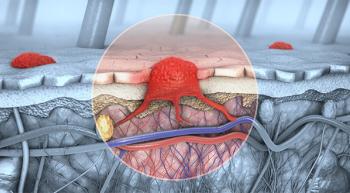
The findings, according to the study’s lead author, justify the use of Opdivo plus relatlimab as a new treatment option for patients with advanced melanoma, a form of skin cancer.

My heart breaks for patients with cancer and other health conditions who are forced to flee the war-torn Ukraine.

Recent research has demonstrated the ability of immunotherapy combinations to target advanced melanoma.

In a news release, Merck advised patients enrolled on the trial to consult with their health care provider regarding their treatment.

The combination of Cabometyx and Tecentriq failed to improve overall survival in patients with advanced hepatocellular carcinoma, the most common type of primary liver cancer, compared with single-agent Tecentriq or Nexavar.

Regardless of a man’s age, providing care to a partner or family member with cancer has been shown to take a drastic toll on their health. To make matters worse, research shows many men struggle in silence.

I have come to notice striking similarities between the variants of COVID-19 and the countless genetic mutations found in the cancer world, and all I can continue to do is hope for the future.

As the average price of regular-grade gas in the United States speeds past $4.30 a gallon, many patients with cancer may be wondering how they can afford to get to and from cancer treatments. Luckily, there’s assistance to make travel less expensive.

As The DONNA Foundation’s 15th annual marathon brings the breast cancer community together, two “streakers” discuss why they continue to participate in every marathon.

Treatment with amcenestrant failed to improve survival when compared with a physician’s choice of a single-agent endocrine therapy in patients with metastatic or locally advanced breast cancer.

As more and more people in their 20s and 30s begin to receive diagnoses of multiple myeloma, a type of blood cancer, one expert stresses that continued research to improve survival in this patient population is critical.

When two small spots appeared on my face, I couldn’t help but wonder if they might be cancerous. Had I failed to protect my skin with a hat or sunscreen? Suddenly, I was cancerphobic.

Unlike stem cell transplant, which has strict eligibility criteria, the majority of patients with blood cancer may be able to receive CAR-T cell therapy, regardless of other comorbidities, explained an expert.
A patient’s experience with polycythemia vera — a rare blood cancer — led to her becoming an advocate for others to help ease all the nerves and uncertainty that many patients face when they hear they have cancer.

The FDA’s decision to OK Lynparza is based on data from the OlympiA trial, which showed that Lynparza reduced the risk of invasive breast cancer recurrences, second cancers or death by 42% versus placebo after initial treatment with chemotherapy.

The FDA plans to speed up its review of HPN217 for the treatment of patients with relapsed, refractory multiple myeloma who have received at least four prior lines of therapy.

The pain and numbness from chemotherapy-induced peripheral neuropathy — commonly referred to as CIPN — can severely impact the lives of patients with cancer, though there are ways that patients can mitigate the intensity or live better with the condition.

I’ve been feeling like I’m walking on eggshells around my doctor, so I think it’s time that we see other people.

From Emilio Delgado, the actor who portrayed Luis on “Sesame Street”, dying from multiple myeloma to actor Benjamin Bratt discussing his wife’s breast cancer journey, here’s what’s happening in the cancer space this week.

Drugs that control blood pressure and lower cholesterol, among others, may help patients derive greater benefit from cancer treatment, but study findings have left researchers reassessing their next moves.

The rare cancer, known as adenoid cystic carcinoma, is diagnosed in fewer than 1,500 people in the United States each year and is often found in the salivary glands, a part of the body associated with helping a person swallow and digest food.

The recent FDA approval of the CAR-T cell therapy Carvykti represents a life-changing advancement for patients with multiple myeloma whose disease progressed after countless other treatments, according to an expert.

After seeing my brother go through extraordinary pain because of lymphoma and then surviving breast cancer myself, I always pushed through the pain — even when I shouldn’t have.

Aesthetic appearances, according to an expert at the UCSF, are often important for patients following the surgical treatment of cancer. Advancements in this space over the past 20 years have allowed many to patients to look as normal as possible.