





Navigating medical leave and insurance forms can be nerve-wracking and feel high stakes for some, writes a cancer survivor. Here, he offers advice on how to manage that stress.
Navigating medical leave and insurance forms can be nerve-wracking and feel high stakes for some, writes a cancer survivor. Here, he offers advice on how to manage that stress.

In this episode of the “CURE® Talks Cancer” podcast, Pamela Hegg details her journey with a rare form of endometrial cancer and explains how she’s able to stay positive through multiple recurrences.

Antibiotics, corticosteroids and proton pump inhibitors could cause negative impacts on survival in patients with non-small cell lung cancer who are receiving treatment with Keytruda.

A slower walking pace may be associated with a higher risk of mortality rate in survivors of cancer compared with their healthy matched peers, according to an expert.

Recent study results demonstrated an possible association between a high BMI and risk of cancer and overall mortality, though patients with obesity and lung cancer, renal cell carcinoma and melanoma were found to have a lower risk of death than patients with the same cancers without obesity.

No matter how far you think you’ve gotten away from them, cancer’s side effects are always in your rear-view mirror, writes this caregiver.

A study out of Sidney Kimmel Cancer Center (SKCC) at Thomas Jefferson University in Philadelphia found that 87% of survivors of breast, pelvic, endometrial, prostate, bladder and rectal cancer said treatment affected their sexual function or desire.

Reintroducing treatment with Jakafi in patients with myelofibrosis after previous discontinuation extended overall survival compared to those patients who stopped permanently, although there was a substantial rate of permanent treatment discontinuation with this therapy.

Several factors were associated with patients undergoing radical nephrectomy compared with radical nephroureterectomy including Black race, large tumors, advanced tumor stage and high-grade tumors.

Trodelvy has received accelerated approval from the FDA for the treatment of patients with advanced urothelial cancer.
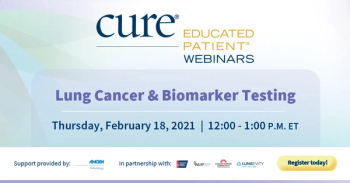
On Feb. 18, CURE hosted a webinar focused on educating patients on biomarker testing. Here, we highlight key takeaways from our panelists.

An oncology nurse recalls how a young patient with Ewing sarcoma she helped care for taught her about bravery and being honest with patients. Here, she writes how he made her a better nurse.

A 500 mg dose of Tepmetko, a MET inhibitor, in patients with hepatocellular carcinoma who were previously treated with Nexavar led to a 12-week progression-free survival rate of 63.3%.
On behalf of the National Ovarian Cancer Coalition, CURE spoke with Dr. Debra Richardson, from Stevenson Cancer Center, about the basics of ovarian cancer and its treatments, clinical trials and psychosocial effects.

Adjusting the dose of cisplatin, when added to regular doses of Abraxane and gemcitabine, led to similar survival rates when treating patients with advanced/metastatic urothelial carcinoma, which may help to address issues commonly seen with patients who cannot tolerate cisplatin such as renal dysfunction.

On social media, CURE® recently asked its readers to share where they first turned to for information after they received their cancer diagnosis. Here’s what some of them said.

Mesothelioma has been categorized as an “older persons” disease, writes a 14-year survivor. Which is why, she writes, her and her family were completely caught off-guard when she was diagnosed at 21.
In an interview, Dr. Nina Shah of UCSF Helen Diller Family Comprehensive Cancer Center discusses how she changed her perspective on finding a cure for myeloma and what her goals are when it comes to treating her patients.

Chronic immune-related adverse events from anti-PD-1 therapy occur in many patients with advanced melanoma, but shouldn’t deter them from seeking treatment that can provide long-term survival, according to an expert from Vanderbilt University Medical Center.

A patient recently diagnosed with cancer writes how with the help of the people she loves, as well as the wisdom, humor and empathy of books, she has continued to navigate her new country: “Cancerland”.

CURE® is looking back at the Educated Patient® Multiple Myeloma Summit, a half-day virtual event to educate, inform and connect patients with multiple myeloma to a variety of experts in the field.

A person living with metastatic breast cancer shares a poem regarding how her life changed in an instant, and how she continues to push forward even though her disease is extensive.

Take a look back at CURE®’s Educated Patient® Lung Cancer Summit with this roundup of stories that highlight what was discussed at this half-day virtual event.
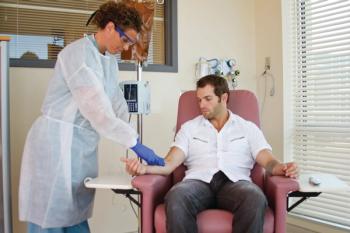
A high intensity immunochemotherapy with maintenance therapy led to 93.2% of patients achieving a complete response and 55.6% of patients with progression-free survival at five years.
CURE spoke with Dr. Marty T. Sellers and Dr. Laura M. Kulik, on behalf of the Blue Faery, about liver cancer and disease – its treatments, causes and areas outside of therapy.

A cancer survivor recalls an experience from early on during the COVID-19 pandemic and reiterates how more than a year later, she thinks about those little things.

From a high school track runner learning how to run again after a leg amputation due to bone cancer to a father adopting a healthier lifestyle to lose 115 pounds after losing his wife to ovarian cancer, here’s what’s happening in the cancer landscape this week.
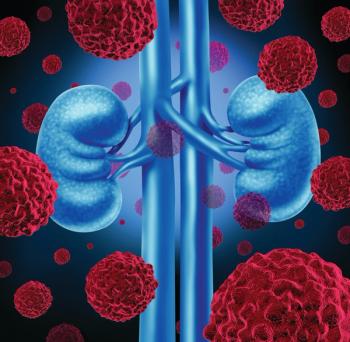
CURE spoke with Dr. Eric Jonasch about the National Comprehensive Cancer Network’s Category 1 recommendation for the combination use of Lenvima plus Keytruda for the treatment of front-line renal cell carcinoma. In particular, how it can impact a patient’s treatment journey.

Researchers found that patients who were never married, had lower educational levels or had comorbidities were less likely to be suggested an autologous hematopoietic cell transplantation, which may underline a need for more informed decision making.

An expert spoke with CURE® about the FDA’s recent approval of Libtayo to treat patients with locally advanced basal cell carcinoma who previously had only one therapy option for locally advanced disease.