







Why do some survive cancer, while others don’t? And why do those who survive often feel the aches of survivor’s guilt? Here, a survivor shares how she learned to cope.
Why do some survive cancer, while others don’t? And why do those who survive often feel the aches of survivor’s guilt? Here, a survivor shares how she learned to cope.
In this episode of the “CURE® Talks Cancer” podcast, we’re honoring Multiple Myeloma Awareness Month by speaking with Dr. Andrew Yee, about the signs and symptoms of this rare form of cancer, what the current treatment paradigm looks like and what advice he has for newly diagnosed patients.

An expert discusses the treatment options that patients with early relapse myeloma have to treat their recurrent disease, which often follows a cyclical pattern.
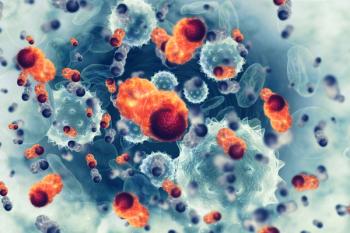
Of note, estimates show that there are more than 25,000 patients undergoing allogeneic hematopoietic cell transplantations throughout the United States and beyond. Recent study results show that these patients may be at a higher risk for de novo atrial fibrillation.
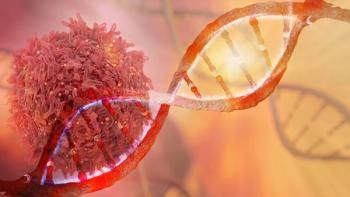
Genomic testing has allowed patients to receive more specific drugs that target mutations in their tumors.

A caregiver crosses her fingers that those who love her can have patience as she heals from the trauma of her experiences.

As more is learned about the biology of endometrial cancer, new treatment possibilities emerge.

Increasing healthy eating habits and exercise is important in patients with breast cancer, according to an expert from Mass General Cancer Center.
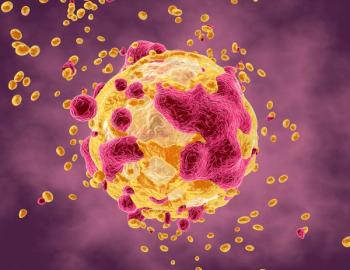
Data from a recent study found that while the risk of developing cancer is 1.74 times greater for individuals born with major birth defects, that risk is highest in childhood but decreases slightly after age 20.
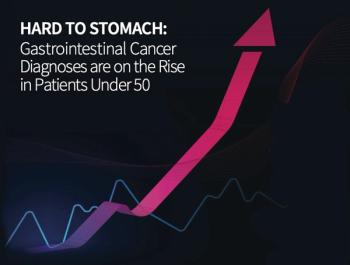
As the incidence of GI cancer creeps up among younger patients, so does the question of why.

A cancer survivor encourages other patients and survivors to talk more about their thoughts as it may help ease their fears and concerns and help them accept their “new normal.”

How should fertility preservation be addressed in patients who may not be thinking about having children yet?

An expert discusses the potential that several novel therapies hold in treating metastatic breast cancer, including PARP inhibitors, immunotherapy and antibody drug conjugates. Each therapy type has an FDA-approved option to potentially provide patients with better outcomes and quality of life.

In honor of Kidney Cancer Awareness Month, CURE® compiled some recent kidney cancer news and updates patients may have missed.

On social media, CURE® recently asked its readers to share who they have turned to for emotional support during their cancer journey.

A four-time cancer survivor writes a personal letter to her future doctors. She urges doctors to see her and not her diagnosis.
The FDA’s fast track designation to poziotinib for use in previously treated patients with non-small cell lung cancer whose disease harbors a certain genetic mutation, may open the doors to an accelerated approval.

In the field of lung cancer, a number of current studies evaluating the efficacy of adoptive cellular therapies may one day offer patients with non-small cell lung cancer a “high risk, high reward” treatment option, according to Dr. Ben Creelan of the Moffitt Cancer Center.

Never say to someone that at least they have a “good” kind of cancer or that they don’t really look that sick, writes one cancer survivor.

The FDA announced that a special committee will review the indications of several cancer drugs that were granted accelerated approval as confirmatory trials showed they failed to demonstrate efficacy.

Body image and body positivity are very important, especially after a life-changing surgery such as a mastectomy, writes a breast cancer survivor. Here, she offers fashion suggestions for “flatties” to feel their best.
A trial investigating a novel drug plus the chemotherapy docetaxel failed to show a survival benefit in patients with previously treated locally advanced or metastatic non–small cell lung cancer.

As the population ages, the incidence of older adults being diagnosed with lung cancer is increasing, though data on how to specifically treat this population are lacking.

The National Comprehensive Cancer Network (NCCN) recently released the best practices for the management of COVID-19 infection in patients with cancer.

Being creative has helped this ovarian cancer survivor during her journey. She recommends that people use their energy in a positive way and do something that will make a difference in their lives.

From a Louisiana-based motorcycle club holding a 57-mile ride to raise money for a fellow member with ovarian cancer to the World Health Organization (WHO) announcing an initiative to reduce global breast cancer mortality by 2.5 million by 2040, here’s what’s happening in the cancer space this week.

The FDA’s recent approval of Cosela to reduce the frequency of chemotherapy-induced bone marrow suppression in adults who are receiving certain types of chemotherapy for extensive-stage small cell lung cancer is a “breath of fresh air,” according to an expert.
The Food and Drug Administration’s recent approval of the first oral hormone therapy, Orgovyx, for the treatment of advanced prostate cancer has positioned the drug to become a standard of care for patients, according to an expert.
Triple-negative breast cancer, which is found in 15%-20% of invasive breast cancers, is a challenge when it comes to treatment, but thanks to new drug approvals and therapy regimens, the treatment landscape has progressed in recent years, according to an expert.

Learning to set boundaries can be a healthy project, writes a cancer survivor. She provides insight into how the hobby of gardening and setting boundaries share commonalities.